Description
Solar panels are marketed as a luxury upgrade.
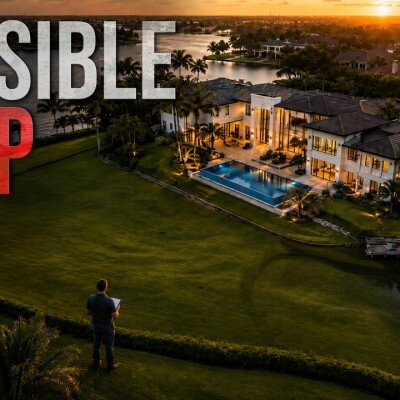
But in high-end real estate, existing solar systems can hide some of the most dangerous liabilities in modern property due diligence.
After managing more than €550M in heavy infrastructure projects, I’ve learned one critical rule:
Technology attached to a building is only valuable if the structure, maintenance chain and legal ownership remain stable.
In this investigation, I break down the hidden risks behind aging residential solar systems:
• Structural roof penetration damage
• Salt-air corrosion and mounting failure
• Storm uplift forces
• Thermal degradation and hot spots
• Solar lease traps and hidden liens
• Power Purchase Agreements (PPA)
• Installer bankruptcies and “orphaned systems”
• Inverter failure cycles
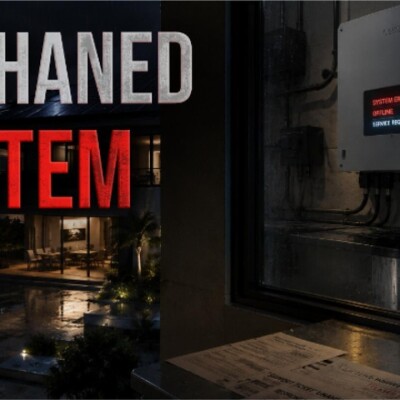
• Grid instability and forced shutdowns
• Long-term maintenance exposure
Because in 2026, many luxury homes with existing solar are no longer “green assets.”
They are aging infrastructure systems with hidden operational risk.
This is not anti-solar content.
This is infrastructure-grade due diligence for serious property investors and strategic buyers.
If you’re evaluating luxury real estate, climate resilience, hidden structural exposure or long-term asset durability, subscribe to GLOBAL PROPERTY GUIDER for weekly engineering-driven investigations into global property risk.
––––––––––––––––––
GLOBAL PROPERTY GUIDER
Most people see sustainability.
Few see the hidden infrastructure burden behind it.
#SolarPanels
#LuxuryRealEstate
#Infrastructure
#PropertyRisk
#RealEstateInvesting
#Engineering
#ClimateRisk
#DueDiligence
#SolarEnergy
#GlobalPropertyGuider
But in high-end real estate, existing solar systems can hide some of the most dangerous liabilities in modern property due diligence.
After managing more than €550M in heavy infrastructure projects, I’ve learned one critical rule:
Technology attached to a building is only valuable if the structure, maintenance chain and legal ownership remain stable.
In this investigation, I break down the hidden risks behind aging residential solar systems:
• Structural roof penetration damage
• Salt-air corrosion and mounting failure
• Storm uplift forces
• Thermal degradation and hot spots
• Solar lease traps and hidden liens
• Power Purchase Agreements (PPA)
• Installer bankruptcies and “orphaned systems”
• Inverter failure cycles
• Grid instability and forced shutdowns
• Long-term maintenance exposure
Because in 2026, many luxury homes with existing solar are no longer “green assets.”
They are aging infrastructure systems with hidden operational risk.
This is not anti-solar content.
This is infrastructure-grade due diligence for serious property investors and strategic buyers.
If you’re evaluating luxury real estate, climate resilience, hidden structural exposure or long-term asset durability, subscribe to GLOBAL PROPERTY GUIDER for weekly engineering-driven investigations into global property risk.
––––––––––––––––––
GLOBAL PROPERTY GUIDER
Most people see sustainability.
Few see the hidden infrastructure burden behind it.
#SolarPanels
#LuxuryRealEstate
#Infrastructure
#PropertyRisk
#RealEstateInvesting
#Engineering
#ClimateRisk
#DueDiligence
#SolarEnergy
#GlobalPropertyGuider
Hosted on Ausha. See ausha.co/privacy-policy for more information.