Description
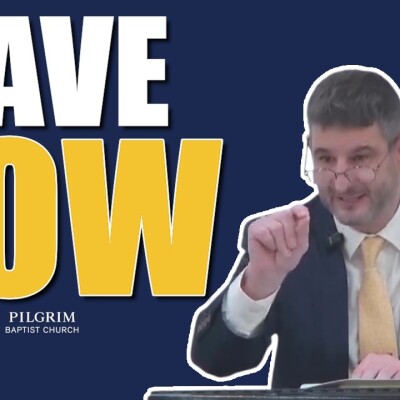
John 12:9-19 — Why did Jesus ride a donkey into Jerusalem? The crowd cried "Save now" and sang about the empty tomb without knowing it.
⛪ Preached at Pilgrim Baptist Church • Cookeville, TN • November 1, 2026.
This expository preaching message through John 12:9-19 walks through the triumphal entry one verse at a time. We look at why the crowds came to Bethany "to see Lazarus also," why the chief priests plotted to kill a man the grave had given up, and why Jesus rode a colt into Jerusalem "as it is written."
The crowd cried "Save now" and waved palm branches, expecting a king to drive out Rome. But Psalm 118, Zechariah 9 and the empty tomb tell a different story. The King came having salvation, and John tells you the disciples could not read any of it until the tomb was empty. If you are on a road right now and can't see where it is going, this message is for you: you can't read your road from the middle of it.
This verse-by-verse sermon on the triumphal entry connects John 12 with Matthew 21, 2 Kings 9, Psalm 118, Luke 19, Zechariah 9, John 2:22, John 19:41 and John 20:9, explaining:
- Why the crowds came to Bethany "to see Lazarus also," and why the chief priests wanted him dead
- How the coats laid in the road echo the crowning of Jehu in 2 Kings 9
- What "Hosanna" and "Save now" mean in Psalm 118:25-26
- Why Psalm 118 is also a war song, and why the crowd wanted a king to run Rome out
- Why Jesus rode a colt "whereon yet never man sat" (Luke 19)
- How Zechariah 9:9-10 shows a King who comes with salvation and speaks peace, not a sword
- Why the disciples did not understand until Jesus was glorified (John 12:16)
- How the colt "whereon never man sat" ties to the tomb "wherein was never man yet laid" (John 19:41)
- How the Pharisees said more than they knew: "the world is gone after him"
Hosted on Ausha. See ausha.co/privacy-policy for more information.