- Speaker #0
Welcome to the Deep Dive. Today we're digging into a really fascinating stack of sources, giving us a window into Europe's youth. We're drawing heavily from a leading Gen Z experts blog. It's called 20-something. Our mission really is to build some bridges here, to understand how this generation thinks lives works.
- Speaker #1
Okay, let's dive in. We're talking about something you might have seen buzzing online, maybe even in stores. The quote-unquote Sephora kids.
- Speaker #0
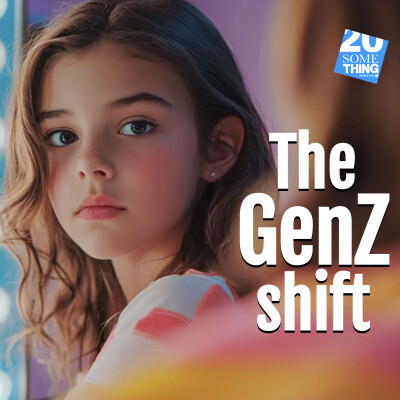
Yeah. It's quite a thing. We're seeing really young children, I mean, eight, nine years old.
- Speaker #1
Probably out of kindergarten, some of them.
- Speaker #0
Right. And they're not just messing around with glittery lip gloss. They're actively shopping for and asking for pretty sophisticated high-end skin care.
- Speaker #1
And we're not talking about, like, basic lotion. These are products that can cost $50, $60, even $80, often with active ingredients really meant for adult skin.
- Speaker #0
It's an image that really does stop you cold. Our sources are framing this around Generation Alpha Kids. born roughly between 2013 and 2025, they seem to be adopting these full-on adult beauty routines.
- Speaker #1
And the language they use, it's kind of astonishing.
- Speaker #0
It really is. They're fluent. They're not just asking for something pink. They're asking for niacinamide hyaluronic acid. They know about exfoliants. And honestly, kind of chillingly, some are even asking for retinoids.
- Speaker #1
Wow. And to make this really concrete for everyone listening, our source material points to a specific example, Eveline Un. She's eight, eight years old, and she has this loyal TikTok following. If you watch her videos, it's not just, you know, playing around. She's giving quite detailed product reviews.
- Speaker #0
She shows off this perfectly arranged vanity, right? Stocked with serums, toners, masks, lip oils from brands like Drunk Elephant, Summer Friday.
- Speaker #1
It sets the scene immediately. This isn't quite the same as playing dress up, it feels like. Performance, high stakes performance almost.
- Speaker #0
Precisely. And that's what our deep dive today is really about. We want to cut through the... the viral aspect, and see this as a cultural mirror.
- Speaker #1
Okay.
- Speaker #0
So we need to look at two key things. First, how did these brands get so good at this? Yeah. Using emotional branding to capture this incredibly young market.
- Speaker #1
Right. Strategy side.
- Speaker #0
And second, what are the deeper implications? Culturally, psychologically, ethically. What does it mean to introduce this level of aesthetic self-management so early in childhood? What's the actual cost?
- Speaker #1
Okay, let's unpack that. Starting with the where. Why Sephora? Our sources call it the perfect storm environment for this whole shift. What is it about that store?
- Speaker #0
Well, Sephora has really nailed this balance, hasn't it? It feels aspirational, high status, expert driven, but it's also really accessible.
- Speaker #1
Yeah, it doesn't feel stuffy.
- Speaker #0
Exactly. You walk in, it's bright, colorful, curated, sure. But it's built for browsing, for touching things. It's not like those, you know, intimidating glass counters in old department stores.
- Speaker #1
Right.
- Speaker #0
That mix of status and accessibility seems absolutely perfect for Gen Alpha.
- Speaker #1
And it's fascinating how the meaning of Sephora itself has changed. If you're listening and you're, say, a millennial, it was different back then.
- Speaker #0
Oh, completely different. Our sources trace this evolution pretty clearly. For millennials, Sephora was often about reaching adulthood, right? Finally getting to buy the good makeup.
- Speaker #1
Yeah, discovery.
- Speaker #0
Then for Gen Z, it became more of a space for self-expression, playing with identity, kind of a beauty playground. But for Gen Alpha... The sources are arguing it signifies something else, something deeper, become a symbol of emotional belonging. And they use this term, identity props.
- Speaker #1
Identity props. That's interesting. So the products aren't just for using, they're like badges, social currency.
- Speaker #0
That seems to be the core idea. You need them to belong, to participate. The whole purpose of shopping has shifted for this generation. Oh, so? Shopping is the content. Skincare isn't just personal. It's a social ritual you perform. A trip to Sephora isn't just buying stuff. The sources say it's a story, an experience, a performance.
- Speaker #1
Like filming a haul video is part of the purchase itself.
- Speaker #0
Exactly. If you manage to snag that last drunk elephant moisturizer that everyone wants, that's not just a good find. It's like social validation.
- Speaker #1
And this pressure for specific, trendy, often expensive products, it seems tied to the world they've grown up in. Constant visibility, social media, that need for what... the sources call algorithmic validation.
- Speaker #0
Precisely. They live in this digital space where what you have and how you show it heavily influences your social standing, at least among peers.
- Speaker #1
So filming the unboxing, arranging the products perfectly on the shelf.
- Speaker #0
It's all part of building a narrative, curating an image for an audience. These creams and serums stop being just. products, they become necessary tools to take part in their social world, props for their identity performance. And the sources raise this really interesting question. Has emotional branding become so successful that it's almost compulsory for these kids to participate?
- Speaker #1
Wow. Okay. So if Sephora is the physical stage, let's talk about the psychological shift. Moving from just innocent play to this more serious kind of performance. This is where the concern really ramps up.
- Speaker #0
Definitely. This is where we hit that dual threat we mentioned. It's a big leap from the kind of play pretend older generations might remember, glitter, fantasy, maybe some of mom's lipstick.
- Speaker #1
Right.
- Speaker #0
This new routine feels centered on control, discipline, almost like preemptive aesthetic management. And the concern isn't just in their heads. There are real dermatological risks.
- Speaker #1
We mentioned retinoids, harsh exfoliants earlier. For listeners who might just see these as fancy creams, can you explain why they're risky for young skin?
- Speaker #0
Absolutely. So children's skin, especially before puberty, is just fundamentally different. Its barrier is thinner, more delicate, and their cell turnover rate, it's already naturally high, it's optimal. So products with strong retinoids, which are designed to speed up cell turnover, mainly for anti-aging or aggressive chemical exfoliants like high-strength AHAs or BHAs, they're not just unnecessary, they can be actively harmful.
- Speaker #1
So instead of helping, they're actually potentially damaging that natural balance.
- Speaker #0
Yes. They can break down that crucial skin barrier that leads to irritation, redness, dryness, sometimes even contact dermatitis. And what's more, many of these active ingredients make the skin more sensitive to sunlight. Oh, wow. So these kids could be increasing their risk of long-term sun damage, all while trying to fix problems like aging or texture that they don't even have yet.
- Speaker #1
That's the physical side. But the cultural, the psychological impact, that seems even more pervasive, this adultification through self-management.
- Speaker #0
It really feels like importing adult anxieties wholesale into childhood. You know, traditionally, adultification might have meant things like child labor or taking on huge family burdens.
- Speaker #1
Right, serious responsibilities.
- Speaker #0
Now, it seems to mean managing your perceived aesthetic flaws before you even really know who you are. Think about it. An eight-year-old spending 20 minutes every night on a 10-step routine. What isn't she doing during that time?
- Speaker #1
Playing, reading for fun, just being a kid.
- Speaker #0
Exactly. Free play, unstructured time, socializing without this layer of performance.
- Speaker #1
It's not just the time, it's the focus. You hear them talking about pores, dark circles, needing to exfoliate. Things most adults don't worry about until much later, if ever.
- Speaker #0
They're absorbing this culture of hyper-visibility, where perfection seems like the norm, the baseline you start from. They're internalizing the impossibly smooth, filtered look of social media glass skin as a real goal.
- Speaker #1
So it's not just trying on a persona for fun.
- Speaker #0
It feels more like internalizing anxiety about their natural state. When a child starts worrying about having visible pores, they've accepted the idea that their normal healthy skin is somehow flawed and needs constant discipline fixing. That feels like performance, not play.
- Speaker #1
I definitely hear that concern. But let me just push back slightly, play devil's advocate for a second. How is this truly different from, say, kids in the 80s putting on blue eyeshadow in their mom's heels? Isn't it just a modern version of kids mimicking adults?
- Speaker #0
That's a really important question, and the distinction seems to lie in the intent and the stakes.
- Speaker #1
Okay.
- Speaker #0
When a kid plays with makeup traditionally, the goal is usually fantasy, imagination, temporary transformation. It's about becoming something else for a little while.
- Speaker #1
Right, like a superhero or a pop star.
- Speaker #0
Exactly. But when a child follows a multi-step skincare routine using active ingredients, the underlying goal seems to shift towards prevention and correction. It's about managing the self, optimizing the self.
- Speaker #1
Ah, I see. Less about fantasy and more about discipline.
- Speaker #0
Precisely. It moves from imaginative play to discipline control over one's physical appearance, often driven by the comparison culture of social media. It feels like an investment in avoiding future flaws, which is, well, it's a heavy psychological load for a child who should be developing self-worth from the inside out, not primarily based on external appearance and validation.
- Speaker #1
Okay, that distinction makes sense. Let's move into our third section, then, this ethical crossroads, because we do have to acknowledge the beauty industry, Sephora, the brands they carry, they've been incredibly successful.
- Speaker #0
Undeniably.
- Speaker #1
They've built these really inclusive, diverse, emotionally engaging ecosystems. They explicitly talk about beauty and skin care as self-care, as empowerment.
- Speaker #0
And that narrative is powerful and, for many people, genuinely positive. They frame these products as tools for self-expression, for feeling good. But that very success, that power creates this shadow.
- Speaker #1
Which leads to the really tough question.
- Speaker #0
Right. When this emotional branding works so well that it captures the hearts and maybe the anxieties of very young children, are we still empowering them? Or are we actually setting them up with expectations they just aren't equipped to handle?
- Speaker #1
From a purely business standpoint, though, reaching these kids early, it's brilliant. It's a strategic masterstroke for building future loyalty.
- Speaker #0
Oh, absolutely. Strategically, it's textbook. Think about lifetime customer value, LCV. You hook them young.
- Speaker #1
Right.
- Speaker #0
By making Sephora aspirational for Gen Alpha, often using fun packaging, pastel colors, leveraging kid influencers or micro-influencers, you're building brand loyalty potentially decades before they even have significant disposable income. It's smart business.
- Speaker #1
But smart business doesn't always equal good for society. That's the tension here.
- Speaker #0
That's the core tension. You have this brilliant strategy on one side and on the other, this profound cultural risk. Is this trend really fostering creativity and self-discovery? Or is it, maybe subtly, maybe expertly, just importing adult worries and insecurities directly into childhood playgrounds?
- Speaker #1
And that's where the specific examples hit home. Preteens wanting retinol for anti-aging. Kids obsessing over glass skin, which is this highly unrealistic, often digitally filtered ideal.
- Speaker #0
Exactly. That feels like crossing a line. It moves beyond. exploration and to internalize self-critique. The underlying message they might be absorbing is, you're not okay as you are. You need to constantly manage and improve your physical self to be acceptable, to be valued.
- Speaker #1
So they're taking on these adult standards before they've even really formed their own sense of self. The sources argue this isn't really about profits. The brands are clearly profitable. It's about values.
- Speaker #0
It absolutely is. It forces society to ask, where do we draw the line? Should these rituals of aesthetic self-management, of disciplined beauty, start before a child's identity, their internal sense of worth, has had a chance to solidify?
- Speaker #1
We need to look harder at what's actually being sold alongside the moisturizer.
- Speaker #0
Is it confidence? Or is it a subtle kind of insecurity, which, let's be honest, can be a much more reliable engine for long-term sales?
- Speaker #1
So wrapping this deep dive up, it really forces us to look at childhood today in this age of algorithms and super targeted emotional marketing.
- Speaker #0
Yeah, we've seen how Sephora became this unexpected symbol of belonging for Gen Alpha.
- Speaker #1
How that shifted childhood rituals from maybe more innocent play towards something. that feels like disciplined performance.
- Speaker #0
And we touched on the real risks, both for their skin and perhaps more importantly for their psychological development.
- Speaker #1
The Sephora kids trend, it seems, is way more than just a TikTok fad.
- Speaker #0
It feels like a genuine cultural shift where the routines, the standards, the anxieties associated with managing adult appearance are being absorbed much, much earlier.
- Speaker #1
It makes us as observers really look in that cultural mirror the sources mention. What values are we actually promoting when we see this level of consumption and aesthetic focus celebrated in kids so young?
- Speaker #0
Because if childhood itself becomes a form of content creation and having the right expensive skin care as a status symbol, we have to seriously consider the cost of that validation.
- Speaker #1
Which brings us to that final provocative thought our sources leave us chewing on. It's about the function of all these routines.
- Speaker #0
Are we genuinely promoting self-care, real confidence that comes from within? Or have we accidentally normalized a kind of constant self-surveillance, a relentless chase for perfection?
- Speaker #1
When you see that eight-year-old performing a 10-step routine for an online audience.
- Speaker #0
You have to ask, which outcome are we as a society actually applauding? Self-care or self-surveillance? Confidence or perfectionism? That's the question we need to be clear on.
- Speaker #1
Thanks for tuning in.
- Speaker #0
We'll catch you next time.