- Speaker #0
Here's a shocking statistic. A single flower discovered over 3,000 years ago has led to more than 100,000 overdose deaths just last year in America. The story of opioids might be the most devastating example of an ancient remedy gone wrong.
- Speaker #1
That's such a powerful way to frame it. From ancient Egyptian medical texts to today's crisis. And what's fascinating is how long humans used these compounds before we really understood them.
- Speaker #0
Well, it wasn't until the 19th century that scientists isolated morphine from the poppy plant. And that's when things really started to change. You know, suddenly we could create these incredibly powerful synthetic versions like hydrocodone, oxycodone, and eventually fentanyl.
- Speaker #1
Hmm. And that scientific breakthrough was kind of a double-edged sword, wasn't it? I mean, these drugs are amazing at managing pain, but that effectiveness comes with this huge risk.
- Speaker #0
Exactly. And here's where it gets really interesting. These drugs basically hijack our brain's natural pain management system. They bind to these opioid receptors way more strongly than our natural endorphins ever could, which is why they're so effective but also so dangerous.
- Speaker #1
So what's actually happening in our bodies when someone takes these drugs? Because I've heard it affects way more than just pain signals.
- Speaker #0
Oh man, it's like throwing a wrench into your body's entire operating system. These drugs trigger this massive flood of dopamine. That's what creates the euphoric high. But at the same time, they're suppressing noradrenaline, which controls things like breathing and blood pressure. It's literally like pressing the gas and brake pedals at the same time.
- Speaker #1
That explains why even therapeutic doses can cause problems like constipation, and why higher doses can be so lethal. They're actually slowing down vital functions.
- Speaker #0
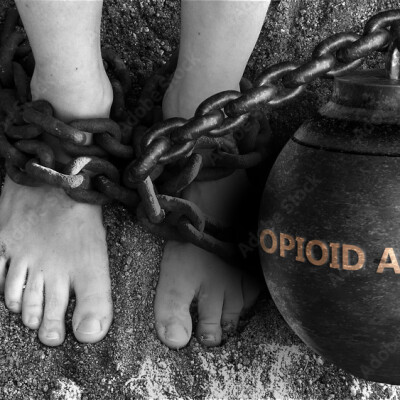
And here's where the addiction cycle really takes hold. Your body starts adapting by reducing the number of opioid receptors. So you need more and more just to get the same effect. It's like your body is constantly moving the goalpost.
- Speaker #1
Well, that's what makes withdrawal so brutal, right? Your body has completely rewired itself to function with these drugs present.
- Speaker #0
Exactly. And let me paint a picture of what withdrawal actually looks like. We're talking about people being violently ill for days or even weeks. muscle aches, fever, vomiting. Many people can't work or take care of their families during this period. And here's the really tragic part. Most people continue using not to get high anymore, but just to avoid being sick.
- Speaker #1
That's such a crucial point about how this crisis has evolved. The pattern of addiction has completely changed over the years, hasn't it?
- Speaker #0
Oh yeah, dramatically. In the early days, we were mainly seeing middle-aged people getting hooked on prescription painkillers. But now, younger people are starting with these prescription drugs and then switching to heroin or synthetic opioids because they're cheaper and easier to get. And that transition is especially dangerous because of inconsistent potency, particularly with fentanyl in the mix.
- Speaker #1
but not to prescribe the opioids that cause the addiction in the first place.
- Speaker #0
Right. And these treatment programs that do exist often have these impossible requirements, like you have to go through complete detox before you can even start treatment. But how is someone supposed to do that when they can't take weeks off work or away from their family?
- Speaker #1
The economic impact of this crisis is staggering too. We're talking hundreds of billions in health care costs, lost productivity and criminal justice expenses.
- Speaker #0
And you know what's really frustrating? We actually have some effective tools to fight this crisis. Naloxone is amazing at reversing overdoses. It literally kicks the opioids off the brain receptors. But getting it to the people who need it most is still a huge challenge.
- Speaker #1
So what do you think it's going to take to actually turn this crisis around?
- Speaker #0
Well, we need action on multiple fronts. Better access to treatment. more support for maintenance programs, better integration of mental health services. But most importantly, we need to keep talking about this. Keep educating people about how these drugs work and why they're so dangerous. The more we understand about the science of addiction, the better equipped we are to fight it and support those who are struggling.
- Speaker #1
That's so true. And while the resources available right now might not be perfect, they're literally life-saving for many people. Anyone struggling should know they're not alone in this fight.