Description
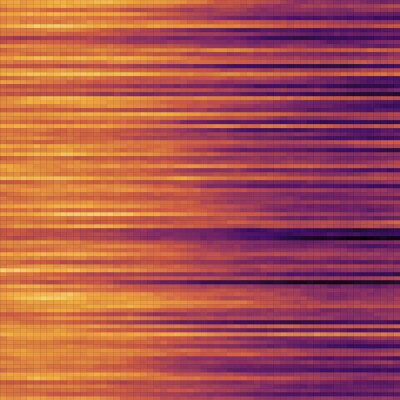
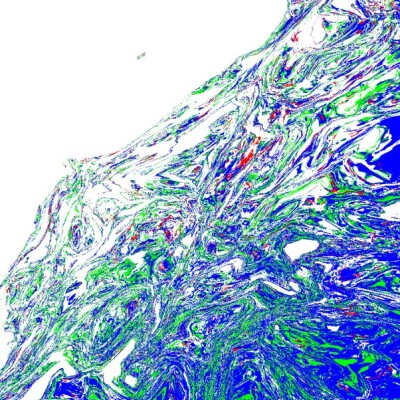
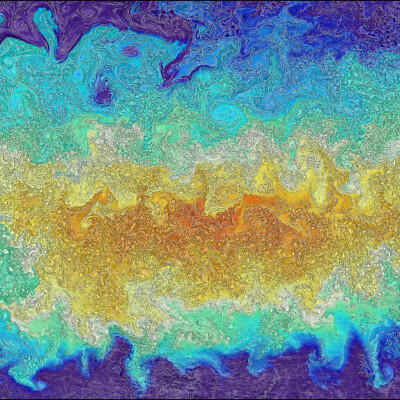
Lancé à l’automne 2025, le concours (Very) Big Data invitaient les scientifiques à soumettre leurs plus singulières visualisations de données scientifiques (graphiques, infographies, modèles, etc.). Si la vocation première de telles « data-visualisations » est de rendre plus claires et compréhensibles des données scientifiques, elles peuvent parfois prétendre à une dimension artistique.
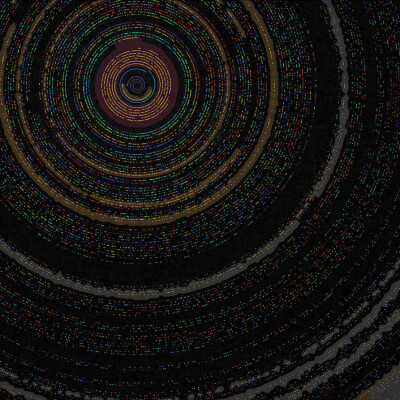
Herbarium data galaxy de Joanna Korybut-Orlowska and Sławomir Nowak, Herbarium Universitatis Gedanensis, Faculty of Biology, University of Gdansk, Poland
À mesure que les herbiers sont numérisés, d'énormes quantités de données sont accumulées sur l'histoire naturelle, chaque spécimen étant identifié par un code-barres unique. Dans cet herbier numérique créé par les chercheurs de Gdansk, ces données forment la Galaxy, une carte visuelle où chaque feuille devient un point avec ses propres coordonnées.
Une interview réalisée par Salomé GONDOT, étudiante en M1 Image et Son dans le cadre de l'édition 2026 du festival RESSAC, festival arts et sciences, de l'université de Bretagne Occidentale.
Hébergé par Ausha. Visitez ausha.co/politique-de-confidentialite pour plus d'informations.