- Speaker #0
Welcome to Boussaiti, the first French podcast dedicated to professional hair and makeup artists. I'm Valentina, a bridal hair and makeup artist based in the French Alps. Specializing in destination weddings across Europe and beyond, every summer, as you drive to your weddings, I open this week to accompany you on the road, keeping you inspired between two venues, two trials, two early mornings. I invite aspiring wedding professionals from around the world We talk about their journey, their expertise, their mindset, and what it truly takes to build a meaningful business that empowers women and elevates our industry. Let's talk the real talk. Hello Maya How are you doing?
- Speaker #1
I am doing great
- Speaker #0
Doing really good I'm so excited Oh, thank you for being here
- Speaker #1
Oh my god, the honor is mine. Thank you so much for having me on.
- Speaker #0
Yeah, so I really wanted to have you on the podcast because, so let me just explain a little bit who you are. So Maya, you're a makeup artist and you are specialized in color, color grading, color matching, color correction, etc. You are the master of this. I'm so excited to have you here today because... um we know knew each other from the by kelly podcast uh club and uh and so i i contacted you to to come to the podcast because you are the master of color uh shading oh wait i mistake yeah is that no it's not that matching oh my god matching shade matching matching like matching matching yeah yeah no yeah just people who are listening just do as if you didn't see any in this year or anything okay because we are so stressed we're stressed and and this is the third time we're we're saying hello so well you're the master of shade matching so i was saying before like i love watching your video because i i love seeing you mixing colors blue yellow um and sometimes when you because you really go like very very very heavy sometimes so far oh my god how is she going to actually going to mix that to make it and then after you see the final result and you're like wow oh my god yeah girl just to explain to the people who you are better than what i i just said Could you please tell me who you are, where you're from, where you live, and what you think will be necessary to know about you?
- Speaker #1
Yeah, of course. So I am a career makeup artist. I have been doing makeup since 2011. I'll be stepping into my 15th year as a pro makeup artist in April. So it's very exciting. I basically, I'm complexion obsessed. I love working on the skin. And I really believe I'm very passionate about shade matching because I really believe that our complexion is rooted in our identity and when women don't see that when you do a beautiful makeup and there's a difference between the neck and the face it's one of the most common ways our clients start to feel disconnected to who they are and so I've built you know I really kind of honed in on my shade matching I mean, And I really live by my philosophy of safe glam, which is all about helping your clients feel seen and heard in the makeup chair, which I think is so, so important.
- Speaker #0
Oh, wow. Safe glam. I love this. So you're a soft glam, full glam, safe glam. And yeah, it's really the fact you say like is the identity that make you go on color, shade, etc. So Did you really start from the beginning when you were a makeup artist or come through the journey of being a makeup artist?
- Speaker #1
Yes. So I would say I was very fortunate to end up working for amazing brands like NARS, Pat McGrath. And so they are very complexion focused. NARS just released a new foundation. I went and bought it. I'm wearing it today. So like complexion, I've just always been so obsessed with it. But it's also because when I first got my makeup done, when I was like 16 for the first time, I had a really bad shade match makeup trauma experience. And so a lot of my philosophy on how I approach makeup, how I approach client care, how I like to do makeup and wear makeup is kind of rooted from that experience.
- Speaker #0
changing that for women one one client at a time you know okay and did you learn this by yourself or is something that you use you work for uh for brick brands but is it something that after you um how do you say perfection like when i'm speaking french i i find i speak in english when i can find my word and now it's all good i'm supposed to know french because because it's the second official language. of canada that's not french that's not for that's quebecois and it's very different that's not french really no it's not different but like their accent is really like let me it's awful like quebecois accent is awful like yeah like if i have if i have a makeup artist that is from quebec i
- Speaker #1
wouldn't invite her no don't say that no
- Speaker #0
No, no, no, no. It's not the same. French and Quebec is not the same. I'm joking.
- Speaker #1
It's a very hard language to learn.
- Speaker #0
French is very, very like, like sometimes you have to ask yourself if the washing machine is a girl or a boy, you know, so like. oh my god just to watch your machine so let's go back to the discussion yeah um so you are for big brand and what you get for the big brands really helped you to um to um perfect your skills with uh color with the color shading etc and did you bring some some some skill by yourself uh practicing on brides or practicing on you or practicing on models how did you come to reach this kind of uh quality of uh shading and uh and choosing the good complex the matching the good complexion for each person because like as a black woman uh like some i really struggle to find the the good uh the good match for my skin because like until some years ago like or you have something really too dark or too bright And then you finish and you end up gray, like, okay, no choice. Or like gray or like yellow or like it's not really the good color for your skin. So I prefer not to put on foundation. And so how did you really, because your master is really wow. So how did you come to this kind of technique apart from the brands that you work for?
- Speaker #1
So I would say just... experience working with different clients, different complexions, inviting more people in my chair because I feel like a lot of times makeup artists, they tend to stick to the range they're comfortable with. And then when someone uses in their chair, they're like, oh my God. But because I live in a very diverse city community, we have every race under the sun, like on the streets, it's a melting pot, right? So I had to learn how to make every client feel welcome. And so I've been working with a same brand of foundation for about 10 years now, right? So when you're so comfortable with a line, you tend to start to mix and match because I'm like, okay, she's not six and she's not a seven. I need a little bit of this. Like, you know, you kind of sharpen your eye and you start to see that one bottle or two bottles is not enough to get that perfect shade. And I don't want to do close enough. That's like one of my things. Close enough is not good enough. I want I want that skin to be seamless. So I actually invested in another foundation palette. And even backtracking, have you heard of Graftobian Cosmetics?
- Speaker #0
No.
- Speaker #1
They're basically like foundation palette. And it's like, I think 12 or 18 wells. So from the very beginning, I was mixing colors for my clients, like way back in 2011 when I started. So now that it's come to this point. I invested in an even more expensive version of that. It's a brand called Sean Richards. And I just started eyeballing. I would just hold the palette up and look at the client and just kind of see what colors I'm reading in the skin. And then I look at the palette and I started custom making every shade. And then I discovered the Face Atelier adjusters, the colors. Because I've been using their line for so long and I always had the adjusters, but I never really... got into them but the second I started working with them that's when my artistry really changed because I was able to fully understand color theory how it reads on different skin and I was able to work on my technical skills to the point where now even if I mess up I can recalibrate and correct while the client's in my chair. I'm no longer sending anybody off. Like, it's the best I can do. Like, also when you've been doing this for 14 years, that's not good enough, right? Like, you want to be a luxury artist. You're charging luxury rates. That means every complexion deserves that same level of care and precision. So I think it's just really honing in on that one thing. I will say, like, my eye makeup is not the fanciest.
- Speaker #0
you know like but complexion is where it's off for me so i just kind of honed in on that and it's kind of went from there yeah yeah i feel like i don't know if that answers your question sorry no that's really perfect i i adore listening to you talking and it was really perfect thank you for your answer and like i feel for the skin is much more important uh than the eyes like for the eyes is like the eyes you can do whatever you want like you can put black brown you don't have to be the good color you know you can like if you pull like a brown that is a little bit too dark or a boost you can you can you can you can like hide it if it's not quite the the the shade that you need but the skin like the skin is the most like is like 90 of your face like it's all over your face absolutely it's all over your face and your skin is what you're going to see first And if you don't feel confident with your complexion, that's a big problem. And I think it's important to take time to do the skin. Because I really like to take time doing skincare, you know, before. So I'm not as good as you at color matching, etc. But I like doing the skincare. because the skin for me is the most important part of the makeup because if you don't feel like comfortable on your skin confident skin it can it can ruin the whole makeup like you can have beautiful eyes you can have a beautiful wing line you can have absolutely lip color but if the all of your face is not like you don't feel you well the makeup yeah the makeup Thank you. yeah it's messed up like no that's not me you know and yeah it's really important and the fact you talk about identity you can you guys can really feel it when you talk about it you know uh so like you're like i you don't want to have people like you when you're 16 and that's very important because it's a real mission it's not just like you're just not you're not just painting you're not just exactly you're out it's a mission that you have to yeah yeah i feel confident and that's very beautiful thank you Valentina
- Speaker #1
I mean I've been there right like when I had that makeup experience when I was 16 technically the makeup was flawless okay like what she did even though it was heavy black smoky eye red lip the fact that she took the color from a white bottle of paint with a paintbrush and literally painted on my face I felt it go on my face like hold. Like it was paint. It wasn't even like a foundation product. But I didn't know any better because I was in a salon. It was my first time getting makeup done. I was so excited. And that's what everybody looked like around me. All the women had the same look. It wasn't until I went to the wedding and people started saying, what did you do to your face? Oh, what happened to your face? And like, I just started shrinking and shrinking and shrinking. And then it's like, you know, it really affects your self-confidence. And like, I'm sure you have worked bridal parties where you Sometimes there's always that one bridesmaid who runs into the washroom with her makeup bag after trying to fix it. And so often it's not that anything else is up. It's just the complexion. Even how heavy women like their foundation to be. You know, if someone's saying I never wear makeup, but then she's showing you full glam. Now that's your our job literally in that moment is to consult and like ask questions and investigate. what do you like about this? Do you like the skin? Do you like the eyes? Half the time it's like, oh, I actually just really liked how the blush is. But she doesn't know that, right? Like she's just showing you 10 pictures and she likes certain aspects. It's our job to like break down that inspiration and then build something together, right? And I've seen many times where makeup is technically flawless, but if the complexion is off, it's just that disconnect. You know what I mean? Yeah.
- Speaker #0
And I've been there myself.
- Speaker #1
Yeah, I've been there myself. I have been the artist who didn't quite nail it. Then I'm spending extra time trying to use bronzer, concealer, setting powders and just panicking. Like, I understand what that's like because I've been there. And that's why it became even more important for me to be like, no, I'm like, I got to fix this. I got to I got to get it right.
- Speaker #0
And that's what you teach in your courses of complexion perfection, exactly. So you teach how to do a good diagnostic or consulting before starting the makeup. And then can you tell me more about your course that you practice?
- Speaker #1
So my course basically is just to help working artists understand shade matching better. understand where to shade match because a lot of times we're just taught the basics of shade matching do three swipes whichever color works best you use it all over the face but our faces are so much more than that one dimensional color right even as a woman of color you know you have deeper tones on the outsides of your face and you're brightest in the center so what do you do them right um and i teach things like where to even test your shade match so i have four areas that I say you have to shade match on the side of your nose because that's the brightest part of your face right the side of your jaw okay that's fine or you have a little bit more hyperpigmentation side of your neck because that color has to melt into your neck and then right here under your chin the center of your chest that is how you end up making it one seamless complexion oh my god right oh I only knew this one
- Speaker #0
Like this one, okay, like, yeah, the brightest part, okay. But this one, why is this one?
- Speaker #1
Brightest part here and here tend to be the same color.
- Speaker #0
Your chin,
- Speaker #1
your chest, and the brightest part of your face, right? So that's why these three areas, it's really important, especially the second you get into more olive tones, more red tones. Like even when you were talking about your experience, I want to say half the time your foundations were almost too red or too yellow. right exactly it's the depth you're you're kind of not getting the depth right or the undertone so there's just so much more to color matching than what meets the eye even surface redness so many women have texture acne and artists end up matching the surface redness the rosacea and then they're like wait why is she pink all over like you know so it's even just like understanding the surface is the last thing i address I always look at the undertone first. And when a client sits in my chair, I ask her to show me her neck, show me her chest. Like I want to look at everything. And you know, Lisa Eldridge, I recently watched a video from her and she said sometimes she asked clients to show them their tummy.
- Speaker #0
No way.
- Speaker #1
Absolutely. Because your stomach is most untouched by the sun concerns, the sun, all those things. So you can really get a good idea of a person's undertone. I haven't gotten there yet, but I mean, if I have someone really challenging my chair, I might ask them. Yeah.
- Speaker #0
Okay.
- Speaker #1
It just goes into like how deeply you want to understand shade matching, right? So yeah, so complexion perfection kind of is a whole ecosystem and it's my proven framework of finding the anchor shade. So which one is the best match, then calibrating that to make it perfect and aligning everything. So I call it the anchor calibrate align framework.
- Speaker #0
Oh wow And how long does it take you to find the perfect match? Because when I'm listening to you and I look at you, I feel like if I do this, maybe that's going to take me so much, long time to reach the perfect match. How long can you imagine me? Because I'm used to do just at the jaw. Because before we used to do matching here. but that that i know is not good because it's not the same thing so not here so most of makeup artists just do it here and but when i see your work i'm like oh my god this is going to take so much time uh but maybe i'm wrong no my complexion takes me 10 minutes from start from
- Speaker #1
matching from finding the anchor shade so say if you sat in my chair i would pick up two two foundations no more i don't like to swatch three four because one you it you also you have to understand clients are also watching you so if this you now like trying three four shades that starts to break trust between you and the client it's very subconscious right so i always say find two closest ones watch it find the one that matches the depth and brightness of your client best so now that's your anchor shade right so that takes maybe two minutes one minute two minute right if you Thank you. And then from there, I will see what her skin is reading. Like when I look at your complexion, I feel like if you were to show me a little bit more, you might have a little bit of olive around your mouth. I do see a little bit of olive in you. I see a little bit of red, obviously. So I would go in with the closest shade. I would probably put on my palette a little bit of red, maybe a little bit of yellow, and then just swatch. So once I find the color that's closest, my anchor shade, I start adding the adjusters. And I do a test patch here. That's always my test. That's what you'll see in all my videos. I always test it here. Thank you. remember that your foundation your adjusters are just there to nudge your color to perfection you should only be using maybe five percent adjuster and 95 percent of the foundation color so if you're finding that you're just going in with pumps of adjuster you're like making a whole new formula and like you need to redo the first step which is finding the color that's closest so i think it's just about having that framework and once you have like
- Speaker #0
a b c one two three steps it really doesn't take that long yeah it's like once you know you you practice and then you get you practice and then it's also like it really is a way for artists
- Speaker #1
to diversify the clients in their chair right and make more money exactly once you become known to be that girl who can finally shade match you that referral So. your referral starts to get flooded, right? So there's just so much more than shade matching when you actually take it seriously and you approach it in a way where I want my client to feel safe. I want her to feel seen. I want her to really look like herself when she sees herself in the mirror. I want her to recognize herself under all that makeup. So it's a whole approach, which I also talk about in complexion perfection.
- Speaker #0
Yeah, because at the end is an expertise at not much makeup artist master because i'm i'm not like i'm more air make air studies and makeup artists you know so uh for the makeup i really go on basis like what i really do like i do almost the same makeup or everybody like even if it's like a white complexion um or a black complexion or any any skin color like i do almost the same step on each person but sometimes i really feel that maybe on this person you don't need more uh like yeah color uh to correct or to color like put it some blue but i don't even have blue in my in my key like it's a really powerful one actually i use blue and olive the most out of all my testers yeah just the fact that you told me like you feel i'm a bit olive i'm like
- Speaker #1
oh really you know what gives it away in women of color we always have a little bit of darkness around our mouth and oftentimes people call it hyperpigmentation but technically hyperpigmentation is under your eyes it's more purple and blue based yeah around your mouth it almost looks like you need to thread you know what I mean it looks a little bit green brown and you're just Like, what is this? So that's a dead giveaway for me. when it comes to women of color and even on your chest i've like again i'm looking at you through a screen if i was in my chair you'll probably be able to do a better read um but in lighter complexions it comes up as yellowness all around the mouth like there's there's ways like yeah i see really steady olive skin you start to like see it more and more i might tell you something i only discovered i'm olive in the last year wow you isn't that crazy after 15 years of doing this yeah yeah because I had my shade match at NARS I'm medium for Barcelona it's a peachy gold I always just considered myself like a warm tone girly like very very basic right upper level stuff um so this time when I got the foundation I got 3.75 and if you look at the bottle it's clearly green undertone and I'm wearing it and And it looked. looks like a pretty damn good match you know what i mean yeah but it's it's interesting because there's so many nuances in our skin so it just goes back to like just two swatches on the side of the face is not it's
- Speaker #0
not the best approach especially if you really want to become known for nailing that shade match like you just did a diagnostic on me um by screen but do you just do that sometimes do that this on brides like maybe maybe you have some brides that don't live like close to you so you already do like a pre-diagnostic before you see them or something by screen or even um do you do do you do like um um online courses for like people that are not for of the uh makeup artists you know people that are not makeup artists do you do that
- Speaker #1
I'm a little bit hesitant to do that because, again, through the screen, depending on different lighting, I cannot confidently say. If I'm just giving you a guesswork, you can just go to chat GPT. You know what I mean? So even if I had like a bride, for example, a destination bride, I would absolutely do a consult with her. I can eyeball her. But the real shape matching truly happens when you're in my chair. It's just so hands on. And I would never want to. promise I can give you an accurate shade match and then you step into a different lighting and you're like well she doesn't know what she's talking about but like you know what I mean I do I do do like makeup lessons virtually okay so that's like kind of helping them figure out what shade might be the closest the best go to Sephora ask for samples learn how to do your day look night look those kinds of things are still easier to teach virtually than shade match And it's interesting because so many women struggle to find a good shade match. I've been having women in my DMs asking me to like make them their foundation color. And I'm like,
- Speaker #0
oh,
- Speaker #1
maybe I'm really putting on my brain cells to think about how to structure this offer. Right. Because obviously I have to think about my supplies, the time and I would how I would even like do it. Because you know basically using your adjusters right from face atelier or any any primary color adjusters you can just make the foundation from scratch right so it's just how do i package that and does the client care enough to pay me 100 120 when they can just go to sephora and buy nars for 75 and it's good enough for them so it's like but it's just interesting that Shade matching is a real issue for a lot of everyday women, you know,
- Speaker #0
like. Well, actually, I think if you have the like the demand, like it might be something that you can really do. And do you ever think about like launching your own brand of foundation and and adjuster or is you just really love using them and not maybe not create your own brand?
- Speaker #1
I feel like my impact is, I will be able to have a greater impact if I can empower more artists who correctly shade match. Because guess what? There's NARS, there's Lusa Eldridge, there are top of the line formulas out there. It's not really anything I'm that passionate about, but I am passionate about teaching, about training, about helping other artists elevate their skills. Because I feel like, again, that's just, I feel like you make more of an impact that. way right because every every artist that learns how to shade match that's 10 15 20 100 more women that felt safe in the makeup chair that referred back to that artist it's just like it's just better use of my time and energy I feel why reinvent the wheel when I can just teach you how to use it better you're really on mission I love you I guess I am I'm realizing that talking to you today
- Speaker #0
Yeah, I know because I really enjoy listening to you talking about all this. Like you can really feel like something that comes from your heart, from like right from your stomach. Like in French you say from par les tripes, you know, from your stomach, from your heart. Like you feel something that you're like even looking at you because people are just going to listen. But even looking at you, you can see your eyes sparkle, etc. It's really inspiring to listen to you talking about this. And talking about Face Atelier, because you work a lot with Face Atelier and you do a lot of content with Face Atelier. Did Face Atelier sign with you or no?
- Speaker #1
Oh, my God. Not yet, but I'm keeping my fingers crossed. I have had a couple of meetings with them. But, you know, everything will happen at the right time. And I'm so, I'm at peace. Because, you know what, when I started this, it wasn't to get a brand deal. It was really just. showing what I'm what I'm passionate about and it's interesting because I was always doing it behind the scenes and I just happened to record it and put it out there and
- Speaker #0
the response was insane like absolutely insane i i actually put it out there because i was i came back into i basically left this whole corporate and retail world that i was in for like 14 years behind exactly a year ago and i was like i really want to make it in bridal i want to be a professional artist and you know i have two kids i want to build a business around my life right after after dedicating every single weekend for 14 years to the retail floor and making money for the big man. I'm like, you know, I think it's time. So my first shade match reel I put out November 18th and my whole aim was to just help brides feel like, okay, this is the girl who I can trust. But what ended up happening is I had an influx of artists follow me from around the world. And I mentored with amazing Kelsey Bain, who I know We both know and love. and she was like Maya you're really on to something and actually it's interesting because during my mentorship I was like Kelsey I don't know what's happening these brides aren't coming and I worked so hard with her I put out like 67 reels in 12 weeks to like get my Instagram to where I wanted it to be right and we're both so proud of how far my speed has come and I learned so much and then she went and bought Face Atelier and I saw it on her stories and I'm like girl I sent her like essays. I'm like, you have this shape for this client and And she literally, she's like, what? You have all this knowledge? Why aren't you talking about this more? So she really kind of like saw that in me. And she's like, Maya, like, like, talk about this. You really need, you're onto something. So I put on my first shade match. And then. I have literally put one out every single week since November 18th. Wow. I'm on my 15th one I'm releasing today. And my goal is to have a total of 52. One for each week for one year? Yeah, one for each week. And, yes, it was just really interesting. I didn't realize how many artists struggle with shade matching. And as I'm putting this out and having the conversations and the DMs, it's like, yeah, like most of us. are taught the basics and then we're expected to learn through trial and error. So my course is a way for artists to just kind of collapse that time from where they are now to where they want to be, right?
- Speaker #1
Yeah, you see even Kelsey Bain because I think the first time I saw it was fun. I saw you like talking, it was through the live you did with Kelsey Bain and really like even at that moment I was like wow this girl really know what she's talking about because Again, I'm more of a hairstylist so I really know the basics of the basics, you know.
- Speaker #0
So
- Speaker #1
I just learned what is important to know but I'm not really very curious about the rest. And you have the curiosity, you have the knowledge, you have all the skills and fortunately Kelsey told you to bring this out to us because like storyline i like to say is even is even like um selfish to Keep this knowledge just for you and don't let nobody see what you can bring to the world. So I can't wait to see the other videos.
- Speaker #0
Yeah, of course. It's really fun. So I actually have just launched my one-on-one intensives. I just launched it. And so I think when it comes to the virtual thing, this is something I'm really excited to offer to artists where you just, we have one hour together. You kind of show me your past work. yeah be like and we sit and we dissect it so I'll be like you know what here she went a little bit ashy I think if you had used this color like yellow for example this is how I would fix it so just kind of really helping artists diagnose the gaps in their technical artistry um and just kind of really help that click in their minds because I think it's it's it's a difference between you making like thousands more per year right just by having the confidence to again invite Every client. I have been the artist who had somebody she's not comfortable working with show up in the chair on a bridal party. Right. And you're like, oh, OK, we're going to do the best we can. But that's not good enough. And no woman wants to hear that on a day, you know, she knows she's going to be photographed, whether it's the bride or the bridal party. Right. So it's like it's not fair.
- Speaker #1
Yeah,
- Speaker #0
it's not it's not fair. But then also you don't know what you don't know.
- Speaker #1
Yeah, true.
- Speaker #0
Right. So even for me as an artist, like I said, I learned through trial and error, but I'm here to help artists just kind of close that gap, collapse that time. Don't don't try to learn it through trial and error when I can give you the framework. Just learning, you know what I mean?
- Speaker #1
So that's cool to know because that's something you can offer because like you're in Canada and as you say you have now makeup artists from all over the world that follow you. That's something you can provide to do coaching one-on-one virtually as we're talking to learn. Why is it different from teaching someone to learn how to use the adjuster, etc. virtually? and maybe doing a costume for a particular client. How do you do?
- Speaker #0
So, for example, if you as an artist, you're like, you know, Maya, my shade matches are almost there, but then I'm so happy with them and then the pictures come back and she's a little bit gray in the face and I just don't know what I'm doing wrong. that's where the one-on-one session will really help because that's where I can really elevate your technical skills yeah but then if someone's the paying client like an everyday woman and she's like well I'm in Brazil but I really want to get my shade match I can't give you that guarantee I need to see you and like you know natural light yeah be able to diagnose that you know what I mean yeah okay so that's why I'm like it's far more better use of my time to empower artists let me let me teach it to artists in brazil go to her she can teach you what i like you know she can do it for you now yeah it's just a way of just spreading the impact in a way that's more um also with integrity right because i know i cannot 100 percent diagnose someone through the screen and be like go by this foundation you know what i mean yeah you must go it's like you need to touch you need to see you need to you need to test etc that's very yeah but if it's an artist and they have the adjusters it's so much easier for me to teach them yeah and we can do that live like you know i'll like say okay put one pump of this color now put the blue mix it now you see what it looks like how do we work it back i can do drills with them i can like you know really practice and also getting ready for clients say you have a client complexion you haven't worked with before and you know it's a big wedding it's a big shoot it's a big moment and you just want to walk into it prepared which I have helped other artists do they like dm me pictures of their models and I'm like okay great if you're using face atelier make sure you pack this shade this shade and maybe this adjuster and that adjuster and it's been amazing for them okay
- Speaker #1
that's kind of where this one-on-one idea really came up yeah okay and what do you prefer like one-on-one or you prefer more like having a little group of people
- Speaker #0
or maybe a big group of people what what i'm so i'm such a i still consider myself a baby educator when it comes to this particular thing because even though i've done a lot of trading in store and i've taught like entire sephora teams on how to use nars products right because that was my last job with nars was a territory manager so i was managing like a five million dollar territory I trained about 20 stores and power staffs. on how to use the foundations, like the entire NARS line, right? So I'm not new to training, but shade matching, specifically putting myself as an educator, I'm still very much a baby educator, I would say. And it's very different to how you mark yourself as a bride. Because when you're a bridal artist, right, you're just showing polished looks, right? You want to build that trust with the bride. And even if I was doing, you know, shade matching and doing my process on them, the end of the day they're just seeing that polished look but as an educator i have to show you the other side i have to show artists like hey this is how i messed up it was it was just this one color and look she's completely aligned now so it's like you have to be willing to kind of show a little bit more of the trial and error behind the scenes so i'm still learning these things i would absolutely love to do like an intimate master class maybe later this year of local artists who want to learn how to shade match. I don't know, maybe I'll be in France one day, in a few years, I don't know. I would absolutely be thrilled to teach more artists hands-on and make it a full workshop and you know, that's so exciting for me.
- Speaker #1
Yeah, I think you can do that because I've never seen a makeup artist so passionate about shading, etc. So I think you can do it because there are not a lot of people that that mastered the skill you know Like yeah, now I follow another makeup artist but she's very known like you know big like as Kelsey maybe even more. I don't remember her name but she... Terry?
- Speaker #0
I'm sure she has like those flashcards. No, no,
- Speaker #1
it's not flashcard, but she usually like, she just put a little bit of foundation and after she put some blue and she's like,
- Speaker #0
it's Rose, Rose, I think her name is. Yeah.
- Speaker #1
Yeah. Yeah. I'm like, yeah,
- Speaker #0
because it's a different approach to color theory. She is very much teaching color theory, but I think for me, it's very much helping.
- Speaker #1
artist nail shade matching that that's my machine what's the difference sorry sorry for interrupting but can you explain that because i'm i'm i'm always mixing you know because for me like color theory etc for me it's all the same but um what's different like shade matching yeah
- Speaker #0
and uh the other one okay so for example a lot of these viral videos right now it's like oh if your foundation is too yellow you add a little bit of pink like lilac blush which i think is the one you're referring to exactly makes it it looks good that's just kind of showing you one facet of how you can use color theory so if you look at a color wheel for example you know that red is a cross from blue so they correct each other right that's why a lot of times you see clients um if it's a brown girl like my complexion a little bit deeper than me and she has any darkness around the mouth. the artist always reaches for that bright red and then the cake on the different foundation ends up being heavy um that's like very basic color theory it is correct in theory and in application you can make it work but i think when it comes to shade matching it's more leveraging color theory to really get a seamless color match it's a little bit different than just like tips and tricks versus here's a system and here's how you utilize these adjusters. You can literally just use adjusters in your kit and have no foundation color and still be able to match somebody. That's where it's taking shade theory, color theory, making it more than a viral moment and actually making foundation from scratch.
- Speaker #1
Okay. Like color theory is neutralizing and shade matching is really like...
- Speaker #0
The color theory is the theory. And then shade matching, how I approach it, is using that theory and building it into a framework, into a proven system that will help you nail every shade match.
- Speaker #1
Yeah, it's the initial. Yeah, I understand.
- Speaker #0
It's more the practical application.
- Speaker #1
How about that? Yeah, I understand.
- Speaker #0
I don't want to say shade matching is more the practical application for it.
- Speaker #1
Yeah, I understand. Okay, okay, okay. Well, I would like to touch on something a little bit. deeper than makeup but only if you feel comfortable sharing sharing this with us because we've we've had the conversation previously uh privately also about mental health etc and without going too deep because like yeah you know new audience etc um how How has your personal journey shaped your life? uh the way you show up for your work today for a business for your family your daughters your husband that i still don't believe that you're together for so long now yeah 20 years now i think yeah like i i thought like we were same age like yeah we're almost same age but like i'm 35 how old are you yeah i'm 28 i'm a baby
- Speaker #0
I'm the oldest in the room.
- Speaker #1
Yeah, I thought you were like, yeah, maybe like, yeah, 27, 28. But I'm like, what? 27? No. Yeah, I know.
- Speaker #0
I'm 35. So I met him when I was 15.
- Speaker #1
Yeah. We've been together. Oh, my God. So how did your journey, your personal journey shape the person? Because I feel that your shade matching is also part of your story, not part. you told us about the experience you had when you were assisting, but I feel it's more deeper than that. Maybe I'm wrong, maybe not. But yeah, could you please tell us, please?
- Speaker #0
So I would say for me, mental health, I think before I'm an artist, before I can show up for other people, I have to be able to show up for myself, for my family. Right. If you look, there's a theory called Maslow's hierarchy. I don't know if you've ever heard of it. heard of it no but it's basically a triangle right and at the bottom are your most basic needs so need for food need for security and the top is self-actualization like really loving and owning yourself and really coming into yourself so when i look at that How can I show up as my best self for my clients who pay me, invest in me, trust me, if all these layers are not solid, right? So I think for me, therapy has, like mental health, working on it has had just immense impact across every facet of who I am as a wife, as a mother, as a business owner. Being able to hold empathy and compassion, but still have boundaries, especially when you're doing business. It's so important. We deal with women. And even just when they sit in my chair, you know, you hear a lot of things that can trigger you, their experiences. But you have to be able to be professional in that moment, still show up for them as a professional, as an artist, but also as a human being, as a woman who's been in the trenches or has experienced something similar and be able to hold space for them. But you can't do that if you're... triggered and unregulated or you know if you can't manage stress or emotional stress as you know wedding mornings can be quite stressful and there's a lot of big emotions in the room already so you really need to be that steady focus calm presence right um which i think a lot of brides have really like thanked me if i've had brides come and be like oh this happened that happened and um and she was actually a therapist and Thank you. In her review, she left me a long review on Google and she literally said, she's like, I really appreciate that Maya took the time to just listen to me, right, and give me that safe space. So I guess like when it comes to mental health and just it's not about becoming a better person. It's just about being able to hold all these pieces of us that make us who we are and show up authentically for every person. especially as a makeup artist. I really, really, like my degree is in psychology and sociology. Oh. And I never thought I would use it. But I actually lean on that and everything I learned and the way it expanded my understanding and broadened my horizons emotionally, mentally, critically. I use it so much in my day-to-day life and work because, yeah, like I've had clients tell me awful stories. and It's like the bartender or that stranger on the plane. You tell them everything because it's a safe place and it's not somebody who knows you intimately. But imagine if I hadn't worked on myself and hadn't resolved or tried to come to terms with my own traumas and everything that makes me who I am. And your bride who's paying you thousands of dollars doesn't want you tearing up and crying. They need you to be able to hold space and still show up for them, right? So I think... working on your mental health is just, it's so crucial. I think, especially as millennials, I really believe that our parents were survivors. Their parents were survivors. And it's really up to us to change that story, change that narrative, break those generational traumas and cycles. Even for me, like I only started therapy when I became a mom because a lot of my traumas popped up in my first year as a mother. And it's a time that was, So filled with joy because I so desperately wanted to be a mom. But when I held my baby in my arms and all these unresolved issues started coming up and I was like, you know, something's got to give. And I started going to therapy and it's truly changed. It's allowed me to be my best self. You know what I mean? And you want to be able to show up as that for everybody. And I have people tell me, like, how do you have so much, you know? You're always pouring into other people. It's like, because I've learned to fill my cup without needing someone else to do it for me. I've learned to fill my cup just by loving and accepting myself. I used to hate that I was a survivor. But then my therapist and I worked on reframing that. It's like, I survived, so now I can hold more space. And it's given me wisdom, right? And all of that has shaped me into somebody who can truly... provide a safe space to other people because if you've never if you've never lacked something you don't know the importance of it that's true but once you once you don't have it and you learn to cultivate it within yourself in the people closest to you and then strangers it's um like i i'm mama maya i've been called mama maya since i was 25 because i've always just been that nurturing type right but through therapy I learned to hold boundaries to not over give yeah to well to make myself important by just giving I had to learn to like put importance on me needing that too also and receiving also and finding myself worthy to receive right yeah so even like me stepping into this educator role it's I've had to really work on my self-belief like no I do actually know what I'm talking about and I am very confident in it and like I deserve the the shine for this this one thing if nothing else like you know so but but if you don't if you don't believe in yourself if you don't have that therapy if you don't have that mental health you know a healthy mindset imagine how many opportunities just go by. They just bounce right off because you're not ready to receive from the universe, from God, from just everything, right? So I think mental health is so important. And I really hope more people, especially working artists, give it a lot of importance because we touch people's lives. We truly do. And it's really important to show up as your best self because you don't know what that bride's been through. You don't know what that client's going through. I've had so many times clients sit in my chair and be like, Maya. My ex is coming with his new girlfriend and my daughter's wedding. I just really need my armor today. I just really need you to make me feel my best and like, let's go. Like, you know what I mean? Or sometimes there's really broken women who sit in my chair and they're like, I just, I'm here because I have to be. And, you know, it's a quiet session and I'm asking them questions or letting them sit. But there's all these. little nuances of emotional intelligence of how to hold space i think i've said this like five times now but providing that safe space in the chair i'm so passionate about that and i wouldn't have been had i not worked on myself so much yeah
- Speaker #1
that because you say that like safe glam that's why that's where the safe glam come from and that's why it's important to talk about because like when you say like to you know to that you deserve receiving is very important because make most makeup artists i feel like most don't feel that they deserve receiving like they do not deserve receiving um a good client they do not reserve receiving like good money like it it can it can it can it can impact so much things if you don't yeah if you don't relieve all the all the like maybe maybe not even trauma sometimes it's just like misbelief that you have growing up like like you're no water that's limiting yeah you're not worth enough you are not good enough you're you have to be a good girl like all those kind of things like it's part of mental it's not just grieving about something big it can be just like being confident with yourself and know that you deserve to receive what you have to what you have to because if you have the skill why we shouldn't why shouldn't you receive you know and there's also something you talk about but i forgot at the moment but um Wait. Yeah, mental health is very, because it's never just makeup. It's always more than makeup. It's like, it's never like, a makeup can ruin your day. A makeup can make your day bright. A makeup can make you feel like the most beautiful woman on earth. Like makeup is so powerful. And the way you receive makeup also, because you can just receive makeup from like, like like just okay, let's just do this. Let's just do this one more makeup and okay. Or you can provide a safe place as you provide. And if you don't do the job on yourself, it's difficult to provide a safe place as you say. And that's important that you repeat it because it's very important. Yeah.
- Speaker #0
You know, it's interesting. I've only had this happen once in my career, but I had a client come to me and she like read my About Me page. She even did research on what Odara means. Like she was... She was very, very happy to come to me. But at the end of the appointment, she looked beautiful. But she FaceTimed her daughter, the bride. She FaceTimed her other daughter. She FaceTimed her son. She FaceTimed everybody.
- Speaker #1
Wow.
- Speaker #0
Because she just couldn't accept that she looked beautiful. And she left my studio crying. And I cried. I chased after her. Because I was like, let me fix it. Let me take it off. I cannot let you leave. in tears. Like, that's just, I can't. Woman to woman, like, what did, like, what can I do to help you feel beautiful? And her son picked her up and the first thing he's like, mom, you look so beautiful. And she's like, no, no, like, let's just go home. I just want to take it off. And I really had to, it took me days because it really like shook me. But I realized no matter how much I work on myself, no matter how much safety I provide for a client, I can do my best. I can make you look beautiful. I can make you feel beautiful. But I cannot make you believe that you're beautiful. That last piece is out of my control. You know what I mean? So that was a really, that's when like. I had to really,
- Speaker #1
because she needs to feel at home before you could feel.
- Speaker #0
And she needed to feel, believe like truly herself that she is beautiful. No amount of makeup can do that. Right. Like, and I think it's just, had I not worked on myself, that moment would have destroyed me as a working artist.
- Speaker #1
Yeah, true.
- Speaker #0
Because I did everything right.
- Speaker #1
Yeah.
- Speaker #0
I did everything right.
- Speaker #1
Yeah.
- Speaker #0
And every person who saw you, she even messaged me. couple weeks later we just kind of really disconnected after that experience because it was very emotionally charged for both of us but later on she did apologize she was like you know it's it truly had nothing to do with you that was all me and thankfully because I had worked on myself my mindset enough I did come to that realization within a day or two of that appointment um but it just goes to show like that that moment would have literally stopped
- Speaker #1
my career because what what more could I have done yeah thankfully I had the tools to be to recognize it's not about me and not take it personally that's also a huge thing right like there's nothing personal it's like let's say because it's business because it's business never personal and yeah sometimes we can really mess up our work that that's and it's important to know when you don't do the things good. it's important but when you do everything good you provide a good a safe place you provide a skills you provide good work etc and even his son you say his son say you're beautiful mom like that's everyone she facetimes like yeah you know it's like out of our control yeah yeah yeah and i'm sure that there are a lot of people that stopped their career just for that one person that they couldn't handle and they thought it was their fault and sometimes it's just you can as you say you can do whatever you want but if she's not convinced that she's beautiful she's not she won't be beautiful but she is but she has to accept it but that's her journey yeah that's me in that moment was recognizing that this is not
- Speaker #0
about me yeah and like let's be real as artists it takes time to build that thick skin where you're like any Any changes that a client asks for is not a reflection of my artistry. It's a reflection of what makes them feel comfortable.
- Speaker #1
Yeah.
- Speaker #0
Right? But getting from this point to that point takes a lot of mindset work.
- Speaker #1
Yeah.
- Speaker #0
It's a lot. Your ego is not a part of this. You have to learn to be humble. You have to learn to listen. You have to learn to read between the lines and, you know, investigate, ask the questions. Right? You know what I mean? So it's like happens where. brides will come book you come for a trial and then not like it and cancel and it's like what do you do in that moment you go back to your processes you refine you see what you did you take accountability for what went wrong on your end too right because she did book you for a reason right ultimately there there could be a gap on your end it's not always on the client yeah it's not always on the client and i think one thing one of my mentors taught me was that we are in a position of service to our clients. We have to always remember we are in a position of service. They are paying us for a service. Client is, technically client is always right. Like, you know what I mean?
- Speaker #1
Technically,
- Speaker #0
yeah. Technically, that's why I said technically. But you know what I'm trying to say. We can't make it about ourselves. And again, you have to be able to receive feedback and stay calm and remember that it's not about you.
- Speaker #1
it's not about your artistry yeah again it takes time to get to that point it takes years to build that thick skin you know what i mean something i always uh like to tell to my bride is like um you know uh because i for me the the trial is the most important part of our collaboration like i like to collaborate with my brides um like i'm a service provider they're a client but we are collaborators until your wedding. Like, after Hubsan... I always like to tell them before, even at the first call sometimes, when I feel it's important, I like to tell them that
- Speaker #0
I don't care because your skin is your skin. After your wedding is done, it's no more my problem because I'm paid. I'm good. If you don't tell me what you don't like about my work, I can help you. So the trial is really important. Don't be afraid to offense me. Don't be afraid to make me unhappy. I don't care. I don't care to be unhappy. My mission is to make you happy. So if you don't tell me what makes you happy, what makes you uncomfortable, what you prefer to change, etc. I don't know. So don't be afraid to to say what you need to say or because some people really don't know how to say things, you know. So what I like to do is like like just I'll send you a recap. You don't need to decide anything today. I'll just send you a recap. then you can just write by email or message just write what you feel good with or what you don't feel good with because i know i'm the type of person like i talk a lot but um i'm the type of person that well not is never is never like a big deal you know like oh no you know she it was not as i wanted so not a big deal it will be better you know but if you don't tell me it can be better you know because i think it's good already so like sometimes i i will I know I would like to have the space for someone to let me write instead of saying and sometimes maybe that's that's me that maybe it's the only difference uh yeah the the the reason why the the bride will will cancel or not because just because she prefers to write instead of saying because sometimes to say something to someone even when you don't know them you know so that's very important.
- Speaker #1
I think it just goes back to safe glam.
- Speaker #0
Yeah.
- Speaker #1
Creating a safe space where she feels safe enough to be like, hey, you know, like, I think, can we do this? Can we make those adjustments? And I think it's how you carry yourself the whole appointment.
- Speaker #0
Yeah.
- Speaker #1
From the beginning, you're asking the questions and you show that you want to know, you want to understand what she really wants. And you're here to collaborate and build this look together. The more comfortable she's going to feel to give you feedback. I used to say things like, You can't hurt my feelings. I don't take you personally. I have a thick skin, but I realized that that doesn't really make her feel safe. That's just kind of letting her know that I'm all this. When in fact the conversation shouldn't be more like, please let me know what's working for you. What's not working for you. I'm here to serve you. I'm here to make this, you know, a really good experience. I want you to feel heard. I want you to feel seen. This is all about you. Like there's a way to say it where you're. calming her nervous system yeah right it's so you have to really learn that our nervous system plays such a huge role in how how regulated you show up is how regulated your bride will be so like for my last trial she she loved my work she saw my shade matching reel she booked me for it she still wanted a trial before she booked and i was like no worries come on in second she sat down she's like i don't wear any makeup and you know what i did if i right away i handed her the mirror. I'm like, okay we're gonna do this together because i want you to look as often as you like because this this is how your nervous system will be prepared for a full face of makeup by the end of this hour wow if i just hand you the mirror at the end of the appointment no matter how natural that look is it will be a shock to her nervous system period she has never seen herself with foundation concealer blush eyeliner mascara all at the same time how can you expect her to be like oh my god I love this and she's never even seen a quarter of that makeup on her face but just her having the mirror in her hand and being able to look as she went along her mom was sitting right here and just really making it that safe space where like girl we move at your pace we have an hour and a half we'll make any changes you need um and and we did we ended up making changes she asked for wing liner then she's like i don't think i'm feeling it and i blended it out and you know it's just It's just giving them a little bit of that control. during the appointment where it's not like I'm the professional I know what I'm doing I know what's gonna work best for you and you just wait and see what I do like you know that that's really not the approach um that's why like yeah like I just I used to be that makeup artist that's like you're it's gonna be revealed don't worry it's like it's literally up until like two years ago I was all about that like I would always face my clients away from the mirror tell them that, you know, it doesn't look good until it's done and then we can make any changes. But I kept running into the same issue of like. hmm I don't know so I have learned through experience just hand on the mirror it's totally fine if she questions your process because I'm confident in what I do and it's okay if she has the mirror in her hand it's okay if she questions me it's okay like I can tell her and I walk everybody through my process and we do skin prep first then the eyes then the complexion then the lips and lashes will be last right that that's my process and I like I walk everybody through it. And like I get parched by the end of appointments because I talk so much. Just so that they really know that I'm here 100% and I'm not here to do a copy paste look. I'm here to make a bespoke look that's for you, made to help you feel beautiful. So what we ended up doing for that bride, she didn't look that different than when she came in, but it was perfect for her. her idea of bridal makeup yeah yeah right so I think if had I not and when I said that hey like I'm giving you the mirror feel free to look as often as you like right because I want your nervous system to you know get acclimated to the makeup as we do it and she literally sat back and she's like wow I never thought no one's ever said that to me before let alone hearing those words and while I'm getting my makeup done and I'm like like you know so I think these are just things you really learn. through time and experience but this is why mentoring is so important you know like you can really learn so much from another artist and from anybody who's been doing something long enough you know like you always learn from people by the way how long do your mentoring how long does it do you do the mentoring your your courses i haven't done any mentoring yet but i'm just telling you like okay this is why you like I have mentored under other artists yeah but I would love to start mentoring more artists you know newer artists especially but I was just saying like these are just things that I've learned that I'm sure other artists would appreciate hearing too you know what I mean um and my my my what I was trying to say in mentoring is just like it's just learning from other people it's it's always worth it you know what I mean Even if it's like something you think you know inside out, but just take a minute to like...
- Speaker #0
Even in this podcast, I'm learning a lot from you already, you know? So like, yeah, you can learn in so much ways. Like just sometimes like assisting someone, like talking to someone, like, you know, like just like people feel like mentoring should be a big deal, is a big thing. sometimes it's just like talking to someone in the industry assisting someone in the industry like yeah that's me yeah yeah yeah i really learned a lot from talking to you today thank you very much of course my pleasure yeah yeah no you're i really i wish you to really succeed with your cup because you you really have a mission and i i really wish you to to accomplish your mission your life mission because i feel like something that's coming very deep from you and it's so like there's a lot of there are lots of um a lot of educators etc but you can really feel when it's something like the mission is more important than the outcome like how can i say like yeah you you're guided by something like something bigger than you what i can feel it you know so i really i really i really wish like maybe in five years time we'll see like uh maya like uh like uh uh your your classes in in italy in france like a Buddhist. thought about you know so that i'm like oh my god i didn't want to move my space oh my god if i ever come to your part of the world i would love to see you that would be such a joy yeah i i wish you like i wish you to to like accomplish all your all your all your incredible dreams for and make this make more makeup artists know about like shading and um shade matching etc like is is very like i'm not good enough at this and my my my dream is to stop doing makeup so like maybe i'm not yeah because i know i'm not good enough for this so why should i take the place from someone better than me you know um like i really think this way um but really i think that's the right way to think about it.
- Speaker #1
like for real you know i had the same thing happen to me with hair yeah really because all my career i had other artists in my you know areas like you're leaving money on the table you shouldn't do hair you'll get more bookings if you do hair But girl, I hate it. Like it stresses me out. But when it's makeup, I'm good at it. I know my shits. Like, you know, I can fix things. I can take it off and do it again. I just don't have that comfort and experience with hair. So as of last year, I was like, I'm done. Look, I have all these hair products just sitting here. But I don't do it anymore because it doesn't. It doesn't excite me. It doesn't like my stuff. I have missed so, I have not booked like at least five, six brides this year because they're looking for someone who does both. And I'm like, girl, it's all good. Like, you know, you have to do what aligns with your passions. Well,
- Speaker #0
I'll make up for it.
- Speaker #1
Well, that's fair, girl. What are you doing for me? I know I lost money because of it. But at the end of the day, do I just want to make money? or do I want to build a career that is fulfilling and something I want to wake up to every day?
- Speaker #0
Exactly.
- Speaker #1
So it's not that you're not good at makeup. It's just not your thing. And that's totally fine.
- Speaker #0
Yeah. You know, older people, you know, like, do your thing, like my thing is hair. Exactly.
- Speaker #1
I think we would be such a good team. I wish you were local to me. Me too. Let me move to the front jobs. That would be so sick. I would absolutely love that. yeah it's so cool it's so cool oh my god i need to i need to make a trip over like i have friends in scotland i've met through like all the mentorships i've done in the last few months i i would love to come see level up girlies in england see you and friends i need to do a big trip i'm gonna do it yeah it's true most of us are in europe yeah i don't reach canadian yeah yeah american yeah but we're just up in the north by ourselves No.
- Speaker #0
lost in the with our bad quebecois french the one thing i do remember is oh my god oh maya excuse me oh my god maya my one thing i remember from grade six that is all i remember and bonjour Premier, I grown bush. Okay, Sorry. Excuse me for existing.
- Speaker #1
You know when you learn a new language and everyone, like, teaches you the bad words first? Yeah. I remember I was so new to Canada. I had, like, landed on Canadian soil and then I had to learn French. And I don't know. I just figured out that one sentence when I was 11 and that's all that stuck.
- Speaker #0
you know that's the best part when you're learning a language and people actually because i did that a lot i didn't understand you like oh my god and then you're like it's you i'm just like no worries and then you're repeating and people are laughing the people that teach you the those who are they're like yeah no
- Speaker #1
no the teacher did not teach me that that was just my little mind oh okay okay i think this is a sentence i can speak french now
- Speaker #0
Oh my God.
- Speaker #1
Oh my God. Anyways, thank you so much for having me. It was such a good time. Yeah. My cheeks hurt from smiling. Oh my God. It was such a good time.
- Speaker #0
I would say the same. Like, oh my God, I was so stressed at the beginning. I have to say, it's the first English episode that I'm registering. So I'm like, oh my God, like, I see I'm starting again, even if this is the second year I'm doing podcast. But I'm like, oh my God, why am I stressing so much? Like, oh, I'm hot.
- Speaker #1
Yeah. This is my first podcast ever. So thank you so much for making me feel so welcome and for giving me a safe space to, you know, talk about what I'm passionate about. It means the world to me. Thank you.
- Speaker #0
Yo, I still have a little bit, some question for you because I have always liked some simple question that I asked you all. So yeah,
- Speaker #1
let's do it.
- Speaker #0
Let's just go. And then we are done. So we talked about the bride that you, the, the, the, the client you have that. you did the makeup and almost you should you almost stopped your career if you didn't know it was not about you was that your most uh difficult experience as a makeup artist or do you have another experience and what do you learn about this experience honestly
- Speaker #1
i've been very lucky to not have a lot of bad experiences in that way um I did have a hair experience happen very early on in my career, which actually put me off of doing hair for years until like. 2022 when I tried to do it again and I was like yep that's still not for me so one of my early brides had um I did her bridal party she was one of the first weddings I did I'm talking like 2012 and then she was like okay my boss she's the CEO for some big energy company she has a conference she wants to do hair and makeup yeah and I was like oh let's do it like and I was like how how long is her hair because again hair was never my strong uh strong uh suit and she's like oh it's short hair it's like a bob it'll be really easy to style it so okay cool I go I drive to Toronto it's like about an hour away I set up and I'm like I'm gonna do your hair first and I remember I was doing her hair and she's like I wanted like this she kept doing this and I'm like I don't know I'm just taking the straightener and I'm like like I was like it was a bob it was so short right like I'm just like straightening it inwards she's like so anyways 30 minutes later, I do hit, she goes, looks in the mirror. She's like, this is all wrong. This is not what I wanted. I wanted it like this. And she basically wanted her bob to be flicked out at the end.
- Speaker #0
Okay.
- Speaker #1
But she didn't show me a picture and I didn't know enough to ask the right questions.
- Speaker #0
Yeah.
- Speaker #1
And she washed her hair. She redid it. And by the time she sat down to do makeup, we had no time left. So, and then I had to go drop her at her conference because we had run late. And so she showed up with just her hair done and no makeup. And that. 100% was the worst thing I have ever gone through in my life. And they put me off of doing hair for the next like seven, eight years. Cause I was like, this is not for me. I am not about this. And that was just like a very traumatic thing because you're still a very new artist and it really shook my confidence. Right. But boy, did that ever teach me how to do a good consult, how to ask the questions, how to ask for pictures. It sharpened my consultation skills like no other. And I stopped taking jobs that I wasn't 100% confident in. I started hiring hairstylists, even if it's for one person. I adjusted my rates so I could have a hairstylist show up. And I learned to really work with a hairstylist. And then in 2021, I opened up my studio and I wanted to offer hair. So I hired somebody to come and teach me hands-on. And I really, really tried. But it just... Like we talked, it's just not my thing. So I've come to accept it and I'm okay to leave money on the table gladly because if it's not something I can 100% stand by, if I'm not confident 100% I can deliver, my integrity will not allow me to take money for it. I'm no longer interested in taking anything.
- Speaker #0
Yeah, you don't enjoy it.
- Speaker #1
That I cannot deliver on, right? I think that's the one thing because that client, she told me, she's like, maybe next time just don't take jobs. you don't feel confident yeah i was ruthless wow i was 22 22 23 i understand it was a big day for her she was giving a conference to hundreds of people she's gonna stand in front of me and i kind of she was a distress also maybe yeah right of course yeah i could have let that completely stop me from pursuing everything but you know my family my husband they really were like listen babe it's it's okay like you know your makeup was not tested it wasn't hair it was not something you know, maybe you should have said that you don't do hair, like whatever, like, you know, I learned my lesson from that. And it's just really like working with aligned clients, less is more quality over quantity. That's really, I would say what I learned and how to like sharpen my consultation skills. Even when someone approaches me with a job, getting all the information before I say yes, show me a picture of what a hair looks like. What does she want? Like, you don't like really learning to set yourself up for success. I learned that lesson. I'm glad I learned it so early on in my career. Even though it was a very painful lesson to learn, you don't know what you don't know.
- Speaker #0
Yeah, that's true. That's true.
- Speaker #1
That was bad. It took me years. I've never spoken about it publicly before,
- Speaker #0
but yeah. Well, experience, bad experience, at least you learn the lesson and after you don't repeat it, that's a good part of bad experience. There's always a good part.
- Speaker #1
So, you know, for sure.
- Speaker #0
do you have a uh like a good uh success you had in your career as a makeup artist uh that you'd like to share with us success i think um honestly one thing that i don't really market
- Speaker #1
a lot is my personal makeup lessons okay i i really really enjoy them because so i think uh one thing that i really really love is a highlight for me is when i teach women how to do their own makeup and just getting those messages from them like two years I've had people message me years later like Maya I'm still using the same techniques you taught me and I just had a photo shoot and I did my own makeup and I felt so beautiful and I just wanted to share the picture with you and you know it's like I love empowering women through makeup. And like, of course, doing makeup for someone's event is such an honor and a pleasure every time. But really giving those skills and techniques to the everyday woman and empowering her to make better buying choices in Sephora, how to really learn to do her makeup and just giving them that like ritual almost that we take for granted as artists. I love that. And like, honestly, like everyone I've done. has left me a five-star review on Google. Like I really pour myself into them in those sessions. And I don't do more than one a week because I really pour so much of my energy and my know-how into them. So it's like three and a half hours of just jam-packed, hands-on. And even last night, I got a message from one of my clients that came last month. And she's like, I got a compliment for the first time on my new look. I just thought you should know. And like, you know, that that's so that's worth more than any monetary tip to me like i i love that i love that i could empower women so i'd say those are my highlights for sure do you feel that that also fill your cup more than you like you feel it and they also feel feel your comfort yeah like again i think it just goes back to like how can i amplify my impact yeah doing makeup for somebody once beautiful you see those pictures forever but teaching you how to do it And you can just recreate that and walk into confidence, walk into rooms with confidence, whether it's work or friends party or wedding you're attending. Like that really makes me feel like, yeah, I made a difference in someone's life. That's more than just the moment than the day, right? I think that's why with the shade matching, it's like having my own line. Sure, maybe one day. But I know right now that my impact would be far greater if I can empower more artists how to do this and really. elevate their skills so i think you know it's yeah yeah i think just empowering other women through makeup it's really really it's a really good feeling so how do you envision maya in five years time what's all what's coming from maya can i tell you valentina last year i thought that i had to be a bridal makeup artist to make it right and invested did. And so much mentorships with Kaylee, with Marissa Grace, with Kelsey Bain. Like I've spent so much money and time only for me to stumble upon shade matching. And now that's become my identity.
- Speaker #0
So
- Speaker #1
I will say this year I made a little, my word for 2026 is growth.
- Speaker #0
Okay.
- Speaker #1
And I am just welcoming growth because, you know, we plan and then God plans. And I think in five years, I can only dream to be working with brands and teaching makeup, you know, shade matching workshops around the world. But I just know that God's plan for me is going to be more beautiful than anything I could ever dream of. I think for me, it's just continuing to move with alignment with what really I am passionate about and really trying to serve people. whether that's my clients or other artists. I think I just want to, I just really want to fully, you know, walk with that intention of being of use to people around me, whether it's my family, artists, other clients, and just being open to opportunities, whatever comes, you know, I'm just so excited for growth because I'm like stepping into doing makeup full time, whether it's as an educator, bridal artist, like. I'm just open to growth and I'm so excited to see where this journey is going to take me. So I cannot tell you where I'll be in five years. I'm excited to see this too. I just really hope that I'm still doing what I love.
- Speaker #0
Yeah.
- Speaker #1
And useful to the community that, you know, I've been a part of for 15 years now.
- Speaker #0
I wish you all this. I wish all this because, like, that's the most beautiful thing I can wish to everybody, you know, and her to continue doing what they love to do. And to do what they love to do, because many people do have work that they don't like. They're just like, it's just a work to live, you know. And being able to do work that you love doing is like a privilege. And I wish to all humans to have this privilege to do a work that they love and continue doing it in one, two, three, four, five, ten years.
- Speaker #1
Yes.
- Speaker #0
Or ever. Like, that's a life goal, you know. so
- Speaker #1
wish you all the best it's truly it's truly a privilege because i'm 35 and i'm starting again in a way you know what i mean but it's a privilege that i'm able to do that that my husband is making enough that i have this small slice of time in life where my kids are old enough and my husband has making enough that i can take that little bit of time to really find my place right and yeah so i'm just excited i'm excited for opportunities and growth yeah i'm they're
- Speaker #0
coming i hope so i hope so they're coming thank you maya thank you i have a really great time with you thank you very much
- Speaker #1
Oh, me too. It's such an honor and such a pleasure. Thank you. I so appreciate that you asked me to be on. It means so much to me.
- Speaker #0
Oh, thank you. I'm not going to cry. No, no, no. Give me a hug.
- Speaker #1
I'm from Canada to France.
- Speaker #0
Oh my God.
- Speaker #1
We are colonies after all.
- Speaker #0
Bye, Maya. Thank you very much.
- Speaker #1
You're very welcome.
- Speaker #0
Thank you so much for listening. If this episode resonated with you, make sure to subscribe and leave a review on Apple Podcasts or Spotify. It truly helps the podcast grow. You'll find all the details about today's guest as well as how to connect with both of us in the show notes. And if you'd like to connect directly, you can find me on Instagram at ValentinaDenis. See you next week for more Real Talk.

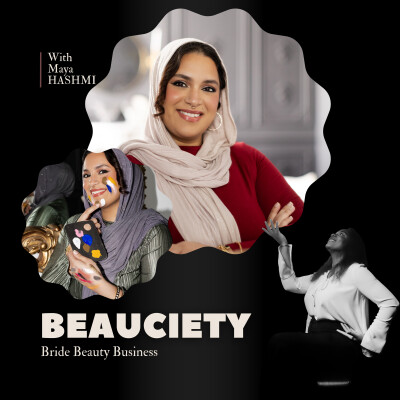
![[HORS PISTE / ACTUS #10] Le podcast part à l’étranger cover](https://image.ausha.co/Hua6OxhmkWL3j1SlWHOS5QqsJLGdJlYZiGC870ng_400x400.jpeg)