- Speaker #0
You're listening to Guenix Digital Podcast, where we share curated insights on digital strategy, artificial intelligence, and the tools that drive performance.
- Speaker #1
Imagine this. It's 9 p.m. on a Tuesday, right? Your phone buzzes. Again, it's another potential customer. Maybe they want to know if you're open tomorrow or asking about pricing or trying to book something, but your system's down. If you run a small business, this isn't just like familiar. It's probably your life. The constant demands, feeling like you need to be everywhere, always kind of playing catch up. But what if, just what if, you had a digital employee, someone who never sleeps, never gets sick, handles tons of chats at once, a tireless assistant, ready for those common questions, grabbing leads, booking appointments while you actually, you know, run the business, or maybe even take a night off. That's exactly what we're getting into today. This is why every small business needs a chatbot and most don't know it yet.
- Speaker #2
You've really nailed a key point. there. There's so much noise around chatbots, hype. It's hard to tell what's really useful from, you know, just marketing fluff. So our mission today is basically to cut through that for you. We're going to look at what modern chatbots realistically can do for businesses like yours. We'll check out some real examples, untack the actual benefits, the ones that hit your bottom line. And just as important, we'll be honest about the limits, the challenges people often skip over. By the end of this deep dive, you should have a really clear picture, enough to make a confident call on whether a chatbot is, well, your next smart move.
- Speaker #1
Okay, so if that daily grind is kind of holding your business back from what it could be, let's do this. We're unlocking a tool that's really changing things for small businesses. Let's just paint the picture clear. A potential customer lands on your website, it's 2 a.m., they're curious, right? Services, pricing, how to start, but usually they leave empty-handed because, well, you're asleep. And that's... Just a massive missed opportunity for so many small businesses.
- Speaker #2
It absolutely is. And, you know, customer expectations, they've totally shifted. It's huge. HubSpot research actually shows something like 90% of consumers now see an immediate response as important for customer service. And even more striking, 60% expect that response in 10 minutes or less. Now, for most small businesses, providing that kind of instant 24-7 personal touch, it's not feasible. That's the gap. That's where you lose sales, get frustrated potential customers.
- Speaker #1
Exactly. And that is precisely where a modern chatbot comes in. These aren't just those annoying pop-ups anymore. They can genuinely change how a small business operates. And it really boils down to three main capabilities. Think of it like your new digital team. Okay, first capability. We call it the customer service powerhouse. Just think about the sheer number of repetitive questions you get every single day. Flooding your inbox, your phone, what are your hours? Do you deliver return policy? You know the drill. These things just eat up hours of your time, precious time. Chatbots are... Well, designed specifically to handle that volume instantly. The key is instant, consistent answers. No human error. No, ooh, I thought it was. Just correct info always there. And that frees up your actual human team for the stuff that needs a human touch, right? The complex interactions.
- Speaker #2
Yeah, we see that impact directly. Take Maria's family restaurant down in Austin. Before she got a chatbot, she was constantly tied to the phone, reservations, menu questions, all that. Now the chatbot handles it. Specials, dietary stuff. Maria can actually focus on the food on her diners. Or think about Tom's Sporting Goods store. His chatbot deals with shoe sizes, return policies, the common stuff. So his staff, they can actually help the people in the store give detailed advice, not just answer basic questions over and over.
- Speaker #1
Right. But answering questions is just like part one. Imagine that same digital helper, not just serving current customers, but actively growing your business, which brings us to their power as a lead generation machine. Forget those. boring old contact forms that everyone ignores. Chatbots talk to people, they engage conversationally, ask smart follow-up questions to really figure out what someone needs.
- Speaker #2
And this is where it gets really strategic. It's not just name and email anymore. A smart chatbot asks qualifying questions. So if you're a web designer, it might ask about budget, timeline, what kind of site they need. And based on those answers, it can even prioritize leads for you. So you follow up on the warmest ones first. It's a qualified lead, not just a name. And critically, it can schedule appointments directly. No more back and forth email tag. Just removes all that friction, makes it easy for customers to take the next step.
- Speaker #1
Okay. And then the third capability, the always on business assistant. This one might just be the biggest game changer. Your chatbot works 24-7. When you're sleeping with family, focusing on other things, it never takes a vacation, never calls in sick. And that constant availability, it's not just nice to have, it's crucial for customer satisfaction. Especially for people comparing businesses after hours.
- Speaker #2
Exactly. And think about businesses serving different time zones or international customers. This is huge. Your bot can help someone on the East Coast while you're asleep on the West Coast. They can even work in multiple languages. Opens up new markets without needing bilingual staff right away. Plus the modern ones. They integrate really smoothly with your other tools. Your CRM, that's your customer relationship management system, email lists, sales tracking. So those valuable conversations feed right into your overall business process automatically. There's a great example. Jessica runs a home cleaning service in Phoenix. She realized she was missing tons of leads from people visiting her site evenings, weekends. Put in a chatbot. Started capturing leads 24-7. The bot asks about needs, home size, schedule, gives an instant quote estimate, offers to book a consultation. IBM actually reports chatbots can handle up to, what, 79% of routine questions? That's a lot of workload off your plate. And captures leads that would just vanish. Jessica's business grew quite a bit, mostly from those after-hours leads she used to miss.
- Speaker #1
Okay, so boiling it down. Chatbots are great at three things. Answering repetitive questions instantly. Capturing and qualifying leads intelligently. And just being there 24-7, they handle the routine stuff so you can focus on the bigger problems, the human connections that really drive your business. All right, let's talk bottom line. We know what chatbots do, but what does it actually mean for your business? And let's be honest, fear of sanity. This bit is all about those tangible benefits, the ones that count. Solving that real stress of juggling customer demands with, you know, running the business and having a life.
- Speaker #2
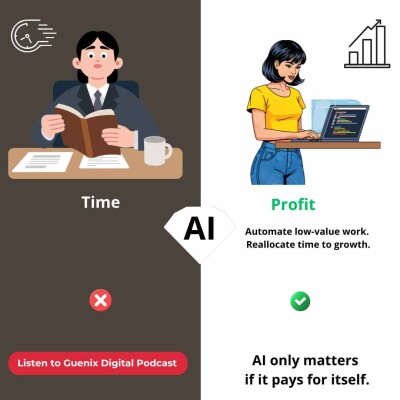
The first one, and honestly, often the most profound, time freedom. That actually matters. Those questions you answer again and again, they eat up hours. You might not even realize how much. When a chatbot takes those over, you genuinely get time back. Not just minutes, like hours every week, time you can put into growth, new ideas, or just stepping away from the phone without feeling guilty. Think of it like your business, your business's chief relief officer, maybe. It frees up your most valuable asset, your own brain, from the mundane stuff. And that mental stress of being on call 247, it's real. Checking your phone at dinner, emails on weekends, feeling bad if you don't reply instantly. A chatbot can fundamentally break that cycle. Customers get instant answers. You get to disconnect. It's about building a sustainable way to run your business, preventing burnout.
- Speaker #1
Yeah, and that time freedom. It translates directly into money in your pocket. Let's just look at the raw numbers for a second. Hiring even part-time help costs real money. Someone working 20 hours a week, it's, say, $18 an hour. That's over $1,400 a month before taxes, benefits, training. Add that all in, and you're easily looking at what? $7,743 to $2,040 a month, maybe more. Now compare that to a basic chatbot, usually between $50 and $150 a month, and it works 20-47. No breaks, no sick days, no vacation. Put those side by side. It's kind of startling. You're saving $1,590 to $1,818 every month over a year. That could be $19,000 or more saved compared to even part-time help. This isn't just about cutting costs, though. It's about shifting money from repetitive tasks to things that actually grow the business, high-growth stuff.
- Speaker #2
And it's not just savings. Chatbots actively make you more money, too. They definitely increased conversion rates because of those instant responses. Super AGI research shows improvements from 12% up to 25%. Some companies see over 30%. Imagine that impact on your sales. There was one e-commerce company. They cut response time from over two hours down to five minutes. Big conversion boost. IBM also notes businesses can see like a 30% drop in customer support costs because the bots handle the first contact, qualify leads efficiently.
- Speaker #1
Okay, so beyond the time and money, which are huge, There's another critical piece. It impacts your brand, your reputation long term. It's that quiet confidence knowing customers are happy without you constantly feeling that pressure. We're talking customer satisfaction without the stress. Your customers want fast answers. They don't want voicemail tag just to find out your hours, right? Chatbots meet that need instantly. Keeps your brand accessible, responsive, always on.
- Speaker #2
Yeah, and that instant availability. It builds a lot of trust. People appreciate getting quick answers even from a bot for Simple Things. Chatbots give perfectly consistent answers every single time. No bad moods, no off days. That really helps build your reputation for being reliable. An intercom survey actually reported up to a 24% boost in customer satisfaction scores after putting in a chatbot, just from faster replies and being available 24-7. And by handling the routine, chatbots really let your human team shine on the complex stuff. The things needing empathy, critical thinking, it enhances the whole experience.
- Speaker #1
So the benefits are definitely compelling. But, and this is a big but, it's really crucial to know they aren't magic wands. Misunderstanding what they can and can't do, that leads to wasted money and, maybe worse, really frustrated customers. We've all been there, right? Stuck in that bot loop yelling at your phone. It's not just annoying. It changes how you feel about that company. A bad chatbot isn't just useless. It can actively hurt your brand. Erode trust.
- Speaker #2
Precisely. Chatbots are great at predictable stuff. But they hit a wall when things need human judgment, emotional smarts or, you know, creative problem solving. Think about a customer whose wedding flower showed up wilted right before the ceremony. A chat bot might just give tracking info. It completely misses the urgency, the emotion. It operates on patterns, rules. It can't read tone, subtext. Emotional weight. This is why not every business sees instant success, especially maybe B2B companies with really complex sales cycles. A chatbot might support sales there,
- Speaker #0
but it definitely can't replace the human connection.
- Speaker #1
And that leads right into the infamous frustration factor. Being stuck in that loop can't get a human. It's infuriating.
- Speaker #2
And who do customers blame? Not the tech. They blame your business. They think this company doesn't care. That can be devastating for small businesses built on personal relationships. It's also worth looking at the demographics. Only about 4% of baby boomers prefer starting with a chatbot. Even with Gen Z, it's only around 20%. So if your customers are older or just prefer talking to people, a poorly implemented bot could cause more problems than it solves. And some things always need a human. Complex tech support, really emotional situations like weddings or funerals, big ticket sales, legal or medical advice, billing disputes, you get the idea.
- Speaker #1
Right. Plus, there's the whole hidden complexity of implementation. That set it and forget it idea. Total myth. Getting it set up initially often takes way longer than people think. Maybe one to three weeks for a basic one, potentially months if it's really complex.
- Speaker #2
And that's just the beginning. They need ongoing maintenance. Customer questions change. Products evolve. Seasons bring new topics. Your bot gets outdated fast without regular attention. You're probably looking at maybe two, four hours a month just reviewing chats and tweaking things. Plus maybe four, six hours quarterly for bigger reviews. and 8-10 hours a year looking at platforms, major updates, and technical glitches happen. Website updates break things. You've got to budget time and maybe money for that ongoing care, which kind of leads to recognizing when chatbots just aren't the right fit. Businesses selling super complex, expensive, or totally custom things. Maybe not much benefit. Same for professionals, services therapists, custom furniture makers, funeral homes, where that deep personal connection and empathy is everything. Before jumping in, you've got to ask honestly, do you really get repetitive questions? Do customers truly need help after hours? Are you willing to learn some new tech? Do you have clear goals for the bot? And crucially, can you handle the handoff when the bot can't help? If most answers are no, maybe it's not the right time.
- Speaker #1
Okay, so knowing all that, how do you even start choosing? The options seem overwhelming. It's really about matching your specific needs to the right tech level.
- Speaker #2
Yeah, you're basically looking at two main types. First, you've got role-based chatbots. These work on simple if-then logic, like a digital receptionist following a script you write. They're straightforward to set up, very reliable, super consistent, no coding needed. Usually it's often drag and drop. Cost effective, too, maybe $20 to $100 a month. Typically, maintenance is pretty minimal. But the downside, they struggle if someone asks something unexpected or uses different words. If you didn't program it, they just can't answer.
- Speaker #1
OK, then the other kind, AI powered conversational assistants. These are a big step up. They use things like natural language processing. That's NLP. how computers understand human language and machine learning, ML, so they learn from chats.
- Speaker #2
Right. Their big advantage is flexibility. They understand different ways of asking the same thing. They can handle more complex stuff, like guiding someone through a tricky return process. And they actually learn and improve over time, spotting new patterns. But they cost more, usually $100 to $500 a month, maybe even more. And they take more time up front for setup and training. They integrate well with CRMs, inventory, all that. But sometimes they can be confidently wrong if they hit something outside their training. And fixing problems can be more complex.
- Speaker #1
So when it comes down to making the strategic choice, it really boils down to lining up three things. Your budget, how comfortable you are with tech, and how complex your customer interactions usually are.
- Speaker #2
You know, the most successful small businesses often start simple, rule-based first. It lets you gather real data on how customers interact, prove the value, before maybe thinking about a fancier AI system. Focus on solving today's repetitive problems well. Don't try to build the perfect all-knowing AI right out of the gate.
- Speaker #1
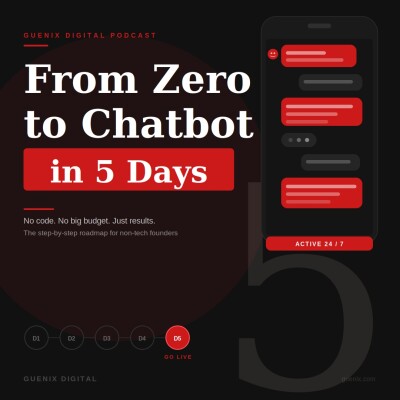
Okay, building one might sound like a huge project, but actually putting it into action. It's often more straightforward than people think. You've done the hard part by figuring out if it fits. Now let's talk about actually bringing it to life.
- Speaker #2
First step, planning your chatbot strategy. Don't try to boil the ocean. Pick one main thing to start, maybe just answering FAQs about hours, or capturing leads, or basic product info. Focus makes it easier to get a win quickly. Then look at your actual customer interactions. Emails, phone logs, social media DMs. Find those repeat questions. That's your chatbot's goldmine. Then you map out the conversation flows. For each common question, think through the best response step by step and plan how to hand off to a human when needed. Clear handoffs are key. The goal is a natural, helpful path for the customer.
- Speaker #1
Okay, next up, technical setup and platform selection. There are lots of accessible platforms now. For simple rule-based stuff, maybe check out Chatfuel, ManyChat, Hideo. For more AI power, Intercom or Drift are good places to look. Most have free trials, so you can play around first. And getting it on your website. Often easier than you fear. Usually just copying a bit of code or using a plug-in for WordPress or Shopify.
- Speaker #2
Yeah, but please don't skip testing. Rigorous testing. Try to break it yourself. Ask friends, family, get honest feedback. Check it on mobile. Most visitors are on phones. And really nail down that handoff process. When the bot gets stuck, how does the customer seamlessly get to a human? And does the human see the chat history? Super important.
- Speaker #1
All right, testing's done. Time for the launch strategy and initial optimization. we really recommend a soft launch. That means it's live, but you're watching it like a hawk, ready to jump in. And critically, get your team ready. Make sure they know how it works, when chats get transferred, how to see the history. They need to feel supported, not replaced.
- Speaker #2
Yeah, watch those first chats closely, like daily for the first week. Make quick adjustments. See where people get confused. Fix it. Bot not handling variations of a question. Add more phrasing. Adjust when it pops up, how it engages. Use the platform support for tech issues, but you focus on making the interactions better. Launch day is just the starting line, really. It's an ongoing process.
- Speaker #1
You know, you should think of your chatbot as more than just a support tool. It's actually this amazing business intelligence system working 24-7, giving you insights into what customers really want.
- Speaker #2
Exactly. And to measure success, there are a few key numbers to watch. Conversation completion rate. How many people actually get their question answered? Aim for 70-85%. Response time. Huge for satisfaction. Under 30 seconds for basic stuff is a good goal. Harvard Business Review found responding within an hour makes you seven times more likely to qualify a lead. Wow. Customer satisfaction scores. Most platforms let you ask for a quick rating. Aim for 3.5 out of 5 or higher. 4 plus is excellent. Then lead generation metrics. Track quantity, sure, but also the quality of leads. Are they good fits? Also track time saved. Estimate the hours the bot handles. Put a dollar value on it. And dig deeper. Conversation flow analysis shows where people give up. Peak usage times help optimize. And error tracking where the bot failed, that's pure gold for knowing what to improve.
- Speaker #1
Right. Every single chat is like a free focus group. Customers are literally telling you what they need was confusing.
- Speaker #2
That's exactly it. Read through chat samples regularly. Look for patterns. Are they using different words for your product? Update the bot. See seasonal trends. Update greetings or FAQs proactively. And those failed conversations. Don't ignore them. They show you exactly where your knowledge gaps are. Make it actionable. Maybe add answers for the top three unanswered questions each month.
- Speaker #0
Update greetings seasonally. Test new flows. Document your changes so you know what worked.
- Speaker #1
And once it's humming along, you can think about scaling and expanding success. But do it thoughtfully. Build on what works.
- Speaker #2
If the chat logs show tons of people asking about scheduling, maybe that's the future to add next. Let customer needs guide you. Look at integrations. Link it to your email marketing. your inventory. Maybe expand to Facebook Messenger or WhatsApp, where people already hang out. Advanced stuff like taking payments can come later, once the basics are solid. And keep training your staff as a bot gets smarter. Just be careful not to expand too fast. The goal is less work for you, not more. So after all that, the decision really lands back with you. Our goal here was just to arm you with the info, to make a choice that fits your customers, your budget, your goals.
- Speaker #1
Okay. To help with that final call, let's do a quick go-no-go assessment. Think of this as your checklist. Give yourself one point for each yes. Ready? Do you get the same customer questions over and over? Do customers try to contact you outside business hours? Do you want to capture more leads from your website? Do you have basic computer skills and are you open to trying new tech? Can you realistically set aside, say, two to three hours a week initially for setup and tweaking? Do you have roughly $50 to $200 a month you could allocate to this? Are your customers generally comfortable using technology? And finally, do you have a website that gets regular visitors?
- Speaker #2
Okay, count up your points. If you got six or more, you're probably in a really good spot to move forward. If you scored four or five, maybe pause. Think about addressing some gaps first or perhaps wait a bit. And if you scored three or fewer, honestly, it might be better to focus your energy on other business priorities right now.
- Speaker #1
If you are ready, our advice is start small. Start focused. Pick one main goal leads or answering your top five FAQs. Choose a simple rule-based platform. ChatFuel, ManyChat, TDO, grab a free trial. Experiment. Spend a week just mapping out those common questions. Then do that soft launch and commit to looking at it weekly, making improvements.
- Speaker #2
And hey, if you're not ready, that is perfectly okay. Focus on improving what you already do. Beef up your FAQ page. Use email templates. Try simpler automation like email autoresponders or scheduling tools first. And just keep learning about chatbots. The tech change is fast. What seems daunting today might be much simpler in six months.
- Speaker #1
You know, here's the thing about business. Perfect timing. It almost never exists. There's always a reason to wait. Always something else demanding attention. But the cost of trying a chatbot, it's relatively low. And the potential upside in time-save, money-earned, happier customers can be really significant. Whether you jump in now or decide to wait, just by thinking about this, you're already preparing your business for a future that's likely more automated, more responsive, more efficient. The next move, well, that's entirely yours.
- Speaker #3
Thanks for listening to Guenix Digital Podcast. Follow us for more curated insights.