The Neurodivergant Connection / Stories cover

The Neurodivergant Connection / Stories

The Neurodivergant Connection / Stories

aspergersstudio.com/
Subscribe
The Neurodivergant Connection / Stories cover

The Neurodivergant Connection / Stories

The Neurodivergant Connection / Stories

aspergersstudio.com/
Subscribe

Description

Chats with people who deal with ASD and ADHD. I talk to those in the profession like therapist or even chats with mothers who have kids on the spectrum. Just honest chats with questions thrown in. Where two people can sit and share thoughts on the spectrum Come join us we I talk with people from all over the ASD and ADHD field.


Hosted on Ausha. See ausha.co/privacy-policy for more information.
Description

Chats with people who deal with ASD and ADHD. I talk to those in the profession like therapist or even chats with mothers who have kids on the spectrum. Just honest chats with questions thrown in. Where two people can sit and share thoughts on the spectrum Come join us we I talk with people from all over the ASD and ADHD field.


Hosted on Ausha. See ausha.co/privacy-policy for more information.
268 episodes

4 playlists

    Season 17

  • From fear and masking to steady self who I am now cover
    From fear and masking to steady self who I am now cover
    From fear and masking to steady self who I am now

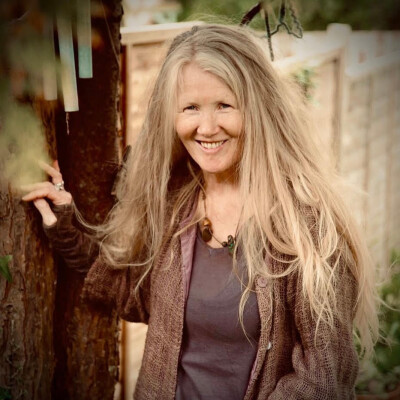
    Shadow Work, Ego Death, and Finding Bliss: Facing the Dark to Find Your Light with Annie What if the parts of you you’ve avoided are the ones holding your wisdom? In this episode, I sit down with Annie to explore the real work beneath “love and light” — and why the dark isn’t something to fear. You’ll hear how Annie created her approach, Awakening the Seeds, after more than 10,000 sessions, and why she calls herself an “ego death doula.” We talk about grief, liminal spaces, and how nervous system regulation and shadow work support creativity, leadership, and everyday life — especially for those of us who are neurodivergent or living in survival mode. I reveal the moments that stopped me in my tracks, and you’ll discover how Annie helps people move from masking and reactivity to calm, clear choice. Curious how to know if you’re bypassing? What integration actually looks like? Or why ideas often meet us in the dark? We get into all of it — without shying away from the hard parts. About the Guest Annie is a healer and creator of Awakening the Seeds. She’s led over 10,000 sessions, trained across multiple modalities, and co-founded Seeds of Bliss, a space focused on bridging light and shadow, life and death, mind and emotion. Key Timestamps 0:22 – Annie’s early intuition and the moment everything changed 2:14 – Why therapy wasn’t her door and what opened instead 5:07 – Hitting walls with clients and creating a new modality 8:33 – Living in the liminal: life, death, grief, and growth 10:39 – The shadow side of healing (and why light alone falls short) 14:35 – Bypassing vs healing: simple signals to watch 15:51 – Ego death: letting go of identities that keep you small 19:01 – Seeds of Bliss: bridging opposites and cyclical living 39:58 – Neurodivergence, intensity, and tools that actually help 47:30 – Integration in real life: how you’ll know it’s working If this resonates, share the episode with someone who needs to hear it. Subscribe for more conversations that support neurodivergent folks, parents, educators, and caregivers. Check the show notes for Annie’s links and resources. #Neurodiversity #ShadowWork #EgoDeath #TraumaHealing #NervousSystem Hosted on Ausha. See ausha.co/privacy-policy for more information.
    56min | Published on December 12, 2025

  • Building a Village: How One Mom is Transforming Autism Support and Inclusion in West Virginia cover
    Building a Village: How One Mom is Transforming Autism Support and Inclusion in West Virginia cover
    Building a Village: How One Mom is Transforming Autism Support and Inclusion in West Virginia

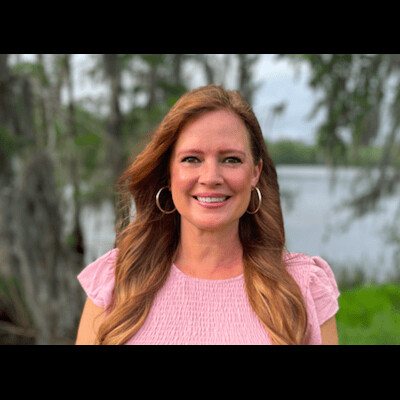
    Support the show via my Patreon https://www.patreon.com/AspergersStudio In this episode, you’ll hear Whitney Price open up about her real-life journey as a mom to a child with autism and how facing those early challenges—like dealing with isolation, misdiagnoses, and financial stress—led her to create Unpuzzle Parents Connect, a thriving community for families just like yours. Whitney’s personal story is relatable and honest, from the confusion of her son’s diagnosis to discovering her own neurodiversity and learning to advocate fiercely for her family. She gets into what it’s really like to navigate therapies, insurance headaches, and the emotional highs and lows that come with raising a neurodiverse child. You’ll also find out how inclusion and community support can make a world of difference, not just for your kids but for you as a parent. If you’re searching for hope, practical advice, or simply want to feel less alone, this episode is packed with insights and encouragement you won’t want to miss.,In this episode, Whitney Price shares her personal journey as a mother to a child with autism, revealing the challenges her family faced with early diagnosis, limited resources, and feelings of isolation. Her experiences inspired her to start Unpuzzle Parents Connect, a supportive community offering guidance and connection to families navigating similar paths. Whitney discusses everything from the confusion and emotional toll of seeking answers for her son, to the practical struggles of accessing therapies and dealing with insurance issues. She also talks about discovering her own neurodiversity and how that shaped her approach to advocacy and support. Listeners gain a real sense of how inclusion and community can empower both children and parents, making the tough days a bit easier. The episode provides relatable stories, useful advice, and genuine encouragement for any family seeking understanding and connection on their autism journey. Whitney's Resources: Visit unpuzzledparentsconnect.com to learn more about the organization and access resources. Follow Unpuzzled Parents Connect on Facebook to join the community and stay updated on events and resources. Join virtual classes, therapy sessions, or activities offered by Unpuzzled Parents Connect, which are free to all members. Attend in-person or online Knowledge is Power monthly trainings and workshops provided by Unpuzzled Parents Connect. Participate in support groups, including the new DAD support group and Coffee and Connections events, by connecting through Unpuzzled Parents Connect’s platforms. Contact Me: https://www.linkedin.com/in/reidmiles/ https://www.twitter.com/AspergersStudio https://www.youtube.com/@AspergersStudio https://www.instagram.com/TheNeurodivergantConnection https://aspergersstudio.com/ https://www.facebook.com/TheNeurodivergantConnection Hosted on Ausha. See ausha.co/privacy-policy for more information.
    1h01 | Published on October 10, 2025

  • Season 16

  • Small steps that make bipolar and ADHD days feel lighter cover
    Small steps that make bipolar and ADHD days feel lighter cover
    Small steps that make bipolar and ADHD days feel lighter

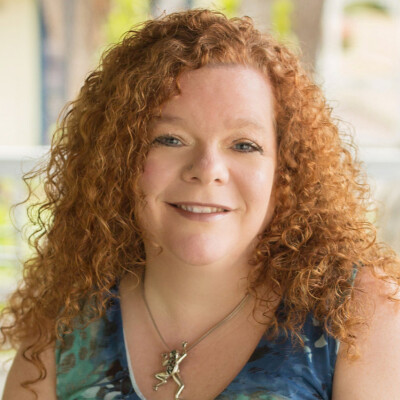
    ADHD, Bipolar, and the 24-Hour Rule: Lessons From a Mental Hospital with Laura Greenberg Schiler She went in scared and left with 10 life lessons—and a book. We unpack ADHD, bipolar, and the 24-hour rule. In this episode, I sit down with Laura Greenberg Schiller, a former attorney, mom of three, and now author of Finding Flawless. Laura was diagnosed with bipolar at 39 and later with inattentive ADHD. Her time in a mental hospital didn’t break her—it gave her clarity, steadiness, and a simple rule that changed her relationships. You’ll hear how Laura went from high-achieving lawyer to retired by choice, why inattentive ADHD shaped far more of her daily life than she realized, and the one boundary she uses to keep mood swings from running the show. We also talk about writing a deeply personal book without losing yourself in the process, and what people get wrong about psychiatric hospitals. If you or someone you love is juggling ADHD, bipolar, or both, this conversation offers relief, perspective, and a few practical anchors you can start using today. About the Guest Laura Greenberg Schiller is a New Jersey-based former attorney turned author. Living with bipolar disorder and inattentive ADHD, she distills hard-won insights from her hospitalization into accessible lessons in her upcoming book, Finding Flawless. Key Timestamps 0:02 – Why Laura’s “worst moment” became a turning point 2:20 – Bipolar at 39: the manic episode no one saw coming 6:11 – Six hours a day of therapy—and the career truth it revealed 10:41 – ADHD strengths: hyperfocus and writing a book in weeks 13:59 – The writing plan that actually worked 24:43 – Inattentive ADHD: the diagnosis that finally made sense 28:15 – ADHD + bipolar meds: risks, limits, and what helped 35:24 – The rule that saved her marriage (and daily peace) 39:56 – Mental hospital myths vs. reality 52:02 – Where to follow Laura and her book Call to Action: If this episode helped you, share it with a parent, educator, or friend who needs a safe, honest conversation about neurodiversity. Subscribe for more real stories, practical strategies, and community. Find Laura: Instagram Finding Flawless (https://instagram.com/findingflawless) • Facebook: Laura Greenberg Schiller. Book: Finding Flawless (coming to Amazon). Keywords: ADHD, bipolar disorder, inattentive ADHD, mental health, neurodiversity, coping strategies, writing process, psychiatric hospital, medication, parenting #ADHD #BipolarDisorder #Neurodiversity #MentalHealth #InsideTheAspergersStudios Hosted on Ausha. See ausha.co/privacy-policy for more information.
    55min | Published on December 10, 2025

  • From grief to grit how Win Charles turned loss into advocacy cover
    From grief to grit how Win Charles turned loss into advocacy cover
    From grief to grit how Win Charles turned loss into advocacy

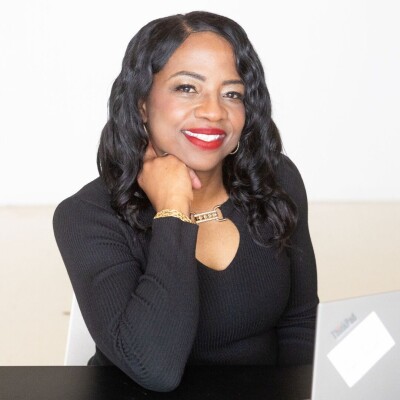
    Win Charles on Grit, Grief, and Raising Disability Awareness Education changes everything—and Win Charles shows how it powers resilience, storytelling, and advocacy. In this conversation, I sit down with Win Charles—author, podcaster, and disability rights educator—who was born with cerebral palsy and has built a life that challenges assumptions at every turn. You’ll hear how she turned grief into purpose, why she said yes to a Kona triathlon in seconds, and what training taught her about doing hard things when the world isn’t built with access in mind. We also get into her two podcasts—one focused on disability awareness and another giving women (especially women with disabilities) space to talk about mental health. Win shares the message she wants every audience to take home, the stereotype she refuses to let slide, and the surprising theme songs that keep her moving. If you’re a parent, educator, caregiver, or someone newly diagnosed, this episode will leave you with questions worth exploring: What shifts when we center access? How do we hold both ambition and advocacy? And what does “not giving up on your dreams” look like in real life? About the Guest My guest, Win Charles, is a podcaster, author of “I, Win,” and a disability rights educator. She’s competed in an Ironman event, speaks nationwide, and hosts shows on disability awareness and women’s mental health. Learn more at winningheart.weebly.com (https://winningheart.weebly.com). Hosted on Ausha. See ausha.co/privacy-policy for more information.
    27min | Published on December 5, 2025

  • When autistic voices lead teams change follows at school and home Part 1 cover
    When autistic voices lead teams change follows at school and home Part 1 cover
    When autistic voices lead teams change follows at school and home Part 1

    Autism Support That Actually Works Together: Multidisciplinary Care, Student Voice, and Real-World Coordination What does true collaboration for autistic kids look like—and how do we keep their voices at the center? In this conversation, I sit down with Leila Farshidi to unpack what happens when schools, clinics, and families stop working in silos. We talk about the real gap between theory and day-to-day care, why feeding and sensory needs get missed, and how value-based care could change the “minutes on a paper” mindset in IEPs. You’ll discover why learner preferences should be assessed as carefully as skills, what weekly coordination can do that yearly meetings can’t, and how automation may finally reduce the load on families. We also ask the hard questions: When do we invite autistic students into decisions about their own support? And what happens to access when training quality varies so widely? I reveal the simple shift I wish schools made right now—and Leila shares the system she’s building to make it easier. There’s more in part two, including disparities across communities and what parents still need after diagnosis. About the Guest Leila Farshchian is a disabilities care provider with 30 years’ experience focused on Autism Spectrum Disorder. She leads a 70-provider practice in Northern New Jersey, founded ABA Toolbox (becoming Circathera: Circle of Care), and serves as Chair of Education and UN representative for the International Health Awareness Network—Global Schoolhouse, working to close the digital divide in care and education. If this episode helps, share it with a parent, educator, or clinician. Subscribe so you don’t miss part two. I’d love your questions for our next conversation—send them my way. Keywords: Autism Spectrum, IEP, ABA, occupational therapy, speech therapy, feeding challenges, sensory needs, value-based care, multidisciplinary team, ARFID, caregiver support #Autism #Neurodiversity #IEP #SpecialEducation #Caregivers Contact Me: https://www.linkedin.com/in/reidmiles/ https://www.twitter.com/AspergersStudio https://www.youtube.com/@AspergersStudio https://www.instagram.com/TheNeurodivergantConnection https://www.facebook.com/TheNeurodivergantConnection For a limited time, schools, clinics, and universities can receive 25% OFF when signing up for an ABA Toolbox account by 12/31/25. Claim your 25% off by signing up for a demo today!  https://meetings.hubspot.com/aba-toolbox/aba-toolbox-comprehensive-demos Or contacting hello@abatoolbox.com (mailto:hello@abatoolbox.com) for more information. Hosted on Ausha. See ausha.co/privacy-policy for more information.

    38min | Published on December 3, 2025

  • Late diagnosis changed her work and finally made life make sense cover
    Late diagnosis changed her work and finally made life make sense cover
    Late diagnosis changed her work and finally made life make sense

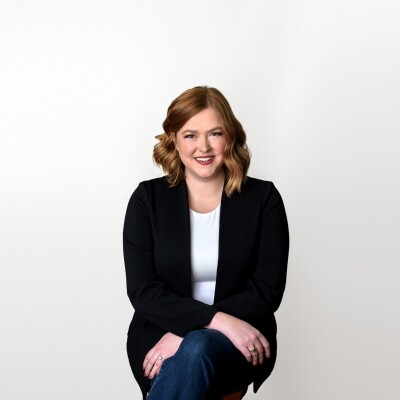
    Masking, Late Diagnosis, and Finding Yourself with Coach Tara Trievel Late ADHD diagnosis, self-identified autism, and 25 years coaching—Tara and I get real about masking and identity. In this episode, I sit down with parent mentor and social communication coach Tara Trievel to talk about what happens when you realize the people you’ve been helping are a lot like you. We get into what masking really looks like day to day, why it isn’t always a bad thing, and how to use it with intention instead of exhaustion. You’ll hear how Tara reframed ADHD and autism through lived experience, the surprising shift that made social situations less draining, and why focusing on strengths changes everything at home and in the classroom. We also tackle sticky moments—like job interviews, soft skills, and when to disclose—plus the nervous system piece most support plans miss. If you’re a parent, educator, or newly diagnosed adult wondering “Is this me?”—this conversation will help you make sense of your past and feel clearer about your next step. About the Guest Tara Trievel is a parent mentor and social communication coach for ASD families with 25 years of experience. She was late diagnosed with ADHD and self-identifies as autistic. Tara hosts the Unapologetically Mom podcast and supports families and professionals at https://www.2besocial.org/ and at the Unapologetically Mom podcast Keywords: autism, ADHD, late diagnosis, masking, nervous system, parents, educators, soft skills, interviews, neurodivergent support Call to action: If this resonated, subscribe and share with someone who needs it. Comment with your questions on masking or late diagnosis, and check out Tara’s site and podcast for more support. #Autism #ADHD #Neurodiversity #LateDiagnosis #Mask Contact Me: https://www.linkedin.com/in/reidmiles/ https://www.twitter.com/AspergersStudio https://www.youtube.com/@AspergersStudio https://www.instagram.com/TheNeurodivergantConnection https://www.facebook.com/TheNeurodivergantConnection Hosted on Ausha. See ausha.co/privacy-policy for more information.
    1h15 | Published on November 30, 2025

  • From labels to living fully with autism addiction and hope cover
    From labels to living fully with autism addiction and hope cover
    From labels to living fully with autism addiction and hope

    Autism, Addiction, and Real Recovery: My Conversation with Dr. Rob Kelly Autism and addiction aren’t separate battles. In this episode, I ask Dr. Robb Kelly how brain change meets real-life recovery. I sit down with Dr. Robb Kelly to explore why masking can hide addiction, how trauma shows up differently for autistic people, and what actually moves the needle in recovery. We get into mindset vs. medication, the power of routine without rigidity, and a wild classroom experiment that re-shaped how I think about labels. You’ll hear how Dr. Robb approaches addiction when autism is in the mix, why family systems can raise success rates, and the simple morning shifts that can re-pattern a tough day. I also ask him the question many avoid: can addiction be cured—and what changes first when it is? If you’ve wondered how to support a loved one (or yourself) with both autism and addiction, this episode opens up a practical, hopeful path—without sugarcoating. About the Guest Dr. Robb Kelly is a PhD psychologist and behavioral scientist with 30+ years of experience treating addiction, anxiety, depression, PTSD, and dementia. His team reports a high success rate across 11,500+ patients, using neuroscience-informed tools and structured coaching. He’s based in San Antonio with offices in the US and Europe. Call to action: If this helped, share it with someone who needs real support. Subscribe for more accessible conversations on autism, ADHD, and practical tools that build community and capacity. Learn more about Dr. Rob at robkelly.com (https://robkelly.com). Keywords: autism, Asperger’s, ADHD, addiction recovery, trauma, masking, routines, family systems, neurodivergent mental health, Dr. Rob Kelly #Neurodiversity #AutismAcceptance #AddictionRecovery #TraumaInformed #FamilySystems Contact Me: https://www.linkedin.com/in/reidmiles/ https://www.twitter.com/AspergersStudio https://www.youtube.com/@AspergersStudio https://www.instagram.com/TheNeurodivergantConnection https://www.facebook.com/TheNeurodivergantConnection Hosted on Ausha. See ausha.co/privacy-policy for more information.

    1h12 | Published on November 26, 2025

  • From Occupational Therapist to Psychologist: A Holistic Approach to Neurodivergent Care and Healing cover
    From Occupational Therapist to Psychologist: A Holistic Approach to Neurodivergent Care and Healing cover
    From Occupational Therapist to Psychologist: A Holistic Approach to Neurodivergent Care and Healing

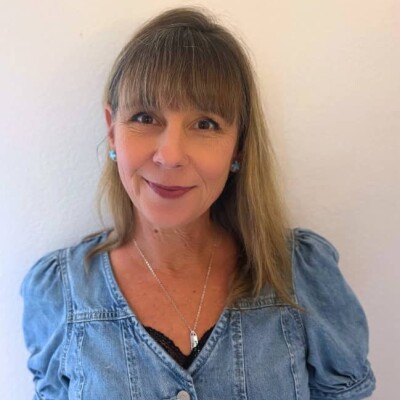
    In this episode of Inside the Asperger’s Studio, we sit down with a clinician whose career spans more than two decades of hands-on, heart-centered work. Before becoming a psychologist, she spent over 20 years as an Occupational Therapist, specializing in supporting severely physically and developmentally disabled children and adults. Her experience also extends into geriatric care, private practice, and orthopedic settings—giving her a rare, comprehensive understanding of both mind and body. Today, she brings that unique background into her work as a psychologist, offering in-depth psychological assessments and a deeply informed therapeutic approach. With advanced training in child-centered play therapy and filial therapy, she blends evidence-based modalities such as DBT, CBT, IFS, psychodynamic therapy, and Acceptance Commitment Therapy. Her practice is grounded in compassion, curiosity, and a commitment to lifelong learning. Currently training to become a certified Yoga instructor, she is excited to integrate mindful movement and somatic practices into her therapy work—further expanding her holistic, client-centered approach. Join us for a conversation filled with insight, expertise, and the powerful story of how one clinician’s journey across disciplines now empowers neurodivergent individuals and families to heal, grow, and thrive. Tamara's Resources: https://www.therapyden.com/therapist/tamar-shtrambrand Contact Me: https://www.linkedin.com/in/reidmiles/ https://www.twitter.com/AspergersStudio https://www.youtube.com/@AspergersStudio https://www.instagram.com/TheNeurodivergantConnection https://www.facebook.com/TheNeurodivergantConnection Hosted on Ausha. See ausha.co/privacy-policy for more information.

    38min | Published on November 21, 2025

  • From Burnout to Breakthrough: How an ADHD Diagnosis Transformed My Nursing Career cover
    From Burnout to Breakthrough: How an ADHD Diagnosis Transformed My Nursing Career cover
    From Burnout to Breakthrough: How an ADHD Diagnosis Transformed My Nursing Career

    For as long as I can remember, healthcare has been part of my identity. I started volunteering in hospice as a toddler and earned my nursing degree in 2009. Over the last 15 years, I’ve worked across clinics, triage teams, and school health programs—always driven by a passion for supporting families and creating compassionate care experiences. But everything changed when I received an adult diagnosis of ADHD, inattentive type. After years of being treated for anxiety and depression, this diagnosis reframed my entire life. Suddenly the overwhelm, the mental exhaustion, and the pressure to “keep up” in a neurotypical system finally made sense. Understanding my neurodivergence transformed not only how I see myself, but also how I show up as a nurse. I now recognize the hidden strengths neurodivergent healthcare workers bring—and the unique challenges they face. From masking and burnout to self-doubt and sensory overload, I’ve lived it all. Today, my mission is to help fellow neurodivergent nurses and healthcare professionals step out of shame, claim their strengths, and build careers that support their brains—not fight against them. With clarity, confidence, and compassion, I’m here to show that your neurodivergence isn’t a barrier—it’s a blueprint. Catherine's Resourrces: https://www.mdclifeandhealth.com/ Contact Me: https://www.linkedin.com/in/reidmiles/ https://www.twitter.com/AspergersStudio https://www.youtube.com/@AspergersStudio https://www.instagram.com/TheNeurodivergantConnection https://www.facebook.com/TheNeurodivergantConnection #NeurodivergentNurse #ADHDNurse #ADHDInHealthcare #NeurodiversityAtWork #HealthcareBurnout #ADHDDiagnosis #NeurodivergentProfessionals #NurseLife #MentalHealthInMedicine #InattentiveADHD #MaskingFatigue #CompassionFatigue #NurseSupport #ADHDAwareness Hosted on Ausha. See ausha.co/privacy-policy for more information.

    58min | Published on November 19, 2025

  • From meltdown mayhem to calm at home with music and science cover
    From meltdown mayhem to calm at home with music and science cover
    From meltdown mayhem to calm at home with music and science

    From Overwhelm to Agency: Real Support for Neurodivergent Families with Fawn Feeling lost after a diagnosis? In this episode, I sit down with Fawn to show what calm, clear support can look like in real life. Fawn is a single mom of three with a master’s in applied behavior analysis, a background in music, and years in trauma-informed coaching. Together, we talk about what actually helps at home and at school—without pushing kids to mask or parents to burn out. You’ll hear how she blends behavior science, nervous system regulation, and creativity to help families breathe again. You’ll discover how to make communication feel safer (even during meltdowns), what schools often miss in IEPs, and the small shifts that turn “annoyed” into “I’m ready.” Fawn also shares the calm-first approach she uses with parents and why one graduation changed how she advocates for student voice. If you want structure that supports rather than restricts—and a way to include your child’s interests (yes, Minecraft counts)—this conversation will give you a new path forward. What would change if your home didn’t chase perfection, and your child had a real say? About the Guest Fawn is a mother of three, a behavior-trained, trauma-informed coach, and a music educator who supports neurodivergent kids, teens, and their families. Through Avari Performance, she partners with homes and schools to build practical systems that honor autonomy, reduce overwhelm, and center real communication. If this helped you, share it with a parent, educator, or teen who needs it. Subscribe for more conversations that make neurodiversity feel human, practical, and hopeful. Fawn's Resources: https://avariperformance.com/ Contact Me: https://www.linkedin.com/in/reidmiles/ https://www.twitter.com/AspergersStudio https://www.youtube.com/@AspergersStudio https://www.instagram.com/TheNeurodivergantConnection https://www.facebook.com/TheNeurodivergantConnection Keywords: autism, ADHD, IEP, executive function, co-regulation, meltdowns, masking, ABA alternatives, college disability services, parent coaching Subscribe for more and join our community. #Neurodiversity #AutismSupport #ADHD #Parenting #IEP Hosted on Ausha. See ausha.co/privacy-policy for more information.

    1h23 | Published on November 14, 2025

  • 1
    2

    ...

    27

Description

Chats with people who deal with ASD and ADHD. I talk to those in the profession like therapist or even chats with mothers who have kids on the spectrum. Just honest chats with questions thrown in. Where two people can sit and share thoughts on the spectrum Come join us we I talk with people from all over the ASD and ADHD field.


Hosted on Ausha. See ausha.co/privacy-policy for more information.

Description

Chats with people who deal with ASD and ADHD. I talk to those in the profession like therapist or even chats with mothers who have kids on the spectrum. Just honest chats with questions thrown in. Where two people can sit and share thoughts on the spectrum Come join us we I talk with people from all over the ASD and ADHD field.


Hosted on Ausha. See ausha.co/privacy-policy for more information.

268 episodes

4 playlists

    Season 17

  • From fear and masking to steady self who I am now cover
    From fear and masking to steady self who I am now cover
    From fear and masking to steady self who I am now

    Shadow Work, Ego Death, and Finding Bliss: Facing the Dark to Find Your Light with Annie What if the parts of you you’ve avoided are the ones holding your wisdom? In this episode, I sit down with Annie to explore the real work beneath “love and light” — and why the dark isn’t something to fear. You’ll hear how Annie created her approach, Awakening the Seeds, after more than 10,000 sessions, and why she calls herself an “ego death doula.” We talk about grief, liminal spaces, and how nervous system regulation and shadow work support creativity, leadership, and everyday life — especially for those of us who are neurodivergent or living in survival mode. I reveal the moments that stopped me in my tracks, and you’ll discover how Annie helps people move from masking and reactivity to calm, clear choice. Curious how to know if you’re bypassing? What integration actually looks like? Or why ideas often meet us in the dark? We get into all of it — without shying away from the hard parts. About the Guest Annie is a healer and creator of Awakening the Seeds. She’s led over 10,000 sessions, trained across multiple modalities, and co-founded Seeds of Bliss, a space focused on bridging light and shadow, life and death, mind and emotion. Key Timestamps 0:22 – Annie’s early intuition and the moment everything changed 2:14 – Why therapy wasn’t her door and what opened instead 5:07 – Hitting walls with clients and creating a new modality 8:33 – Living in the liminal: life, death, grief, and growth 10:39 – The shadow side of healing (and why light alone falls short) 14:35 – Bypassing vs healing: simple signals to watch 15:51 – Ego death: letting go of identities that keep you small 19:01 – Seeds of Bliss: bridging opposites and cyclical living 39:58 – Neurodivergence, intensity, and tools that actually help 47:30 – Integration in real life: how you’ll know it’s working If this resonates, share the episode with someone who needs to hear it. Subscribe for more conversations that support neurodivergent folks, parents, educators, and caregivers. Check the show notes for Annie’s links and resources. #Neurodiversity #ShadowWork #EgoDeath #TraumaHealing #NervousSystem Hosted on Ausha. See ausha.co/privacy-policy for more information.

    56min | Published on December 12, 2025

  • Building a Village: How One Mom is Transforming Autism Support and Inclusion in West Virginia cover
    Building a Village: How One Mom is Transforming Autism Support and Inclusion in West Virginia cover
    Building a Village: How One Mom is Transforming Autism Support and Inclusion in West Virginia

    Support the show via my Patreon https://www.patreon.com/AspergersStudio In this episode, you’ll hear Whitney Price open up about her real-life journey as a mom to a child with autism and how facing those early challenges—like dealing with isolation, misdiagnoses, and financial stress—led her to create Unpuzzle Parents Connect, a thriving community for families just like yours. Whitney’s personal story is relatable and honest, from the confusion of her son’s diagnosis to discovering her own neurodiversity and learning to advocate fiercely for her family. She gets into what it’s really like to navigate therapies, insurance headaches, and the emotional highs and lows that come with raising a neurodiverse child. You’ll also find out how inclusion and community support can make a world of difference, not just for your kids but for you as a parent. If you’re searching for hope, practical advice, or simply want to feel less alone, this episode is packed with insights and encouragement you won’t want to miss.,In this episode, Whitney Price shares her personal journey as a mother to a child with autism, revealing the challenges her family faced with early diagnosis, limited resources, and feelings of isolation. Her experiences inspired her to start Unpuzzle Parents Connect, a supportive community offering guidance and connection to families navigating similar paths. Whitney discusses everything from the confusion and emotional toll of seeking answers for her son, to the practical struggles of accessing therapies and dealing with insurance issues. She also talks about discovering her own neurodiversity and how that shaped her approach to advocacy and support. Listeners gain a real sense of how inclusion and community can empower both children and parents, making the tough days a bit easier. The episode provides relatable stories, useful advice, and genuine encouragement for any family seeking understanding and connection on their autism journey. Whitney's Resources: Visit unpuzzledparentsconnect.com to learn more about the organization and access resources. Follow Unpuzzled Parents Connect on Facebook to join the community and stay updated on events and resources. Join virtual classes, therapy sessions, or activities offered by Unpuzzled Parents Connect, which are free to all members. Attend in-person or online Knowledge is Power monthly trainings and workshops provided by Unpuzzled Parents Connect. Participate in support groups, including the new DAD support group and Coffee and Connections events, by connecting through Unpuzzled Parents Connect’s platforms. Contact Me: https://www.linkedin.com/in/reidmiles/ https://www.twitter.com/AspergersStudio https://www.youtube.com/@AspergersStudio https://www.instagram.com/TheNeurodivergantConnection https://aspergersstudio.com/ https://www.facebook.com/TheNeurodivergantConnection Hosted on Ausha. See ausha.co/privacy-policy for more information.

    1h01 | Published on October 10, 2025

  • Season 16

  • Small steps that make bipolar and ADHD days feel lighter cover
    Small steps that make bipolar and ADHD days feel lighter cover
    Small steps that make bipolar and ADHD days feel lighter

    ADHD, Bipolar, and the 24-Hour Rule: Lessons From a Mental Hospital with Laura Greenberg Schiler She went in scared and left with 10 life lessons—and a book. We unpack ADHD, bipolar, and the 24-hour rule. In this episode, I sit down with Laura Greenberg Schiller, a former attorney, mom of three, and now author of Finding Flawless. Laura was diagnosed with bipolar at 39 and later with inattentive ADHD. Her time in a mental hospital didn’t break her—it gave her clarity, steadiness, and a simple rule that changed her relationships. You’ll hear how Laura went from high-achieving lawyer to retired by choice, why inattentive ADHD shaped far more of her daily life than she realized, and the one boundary she uses to keep mood swings from running the show. We also talk about writing a deeply personal book without losing yourself in the process, and what people get wrong about psychiatric hospitals. If you or someone you love is juggling ADHD, bipolar, or both, this conversation offers relief, perspective, and a few practical anchors you can start using today. About the Guest Laura Greenberg Schiller is a New Jersey-based former attorney turned author. Living with bipolar disorder and inattentive ADHD, she distills hard-won insights from her hospitalization into accessible lessons in her upcoming book, Finding Flawless. Key Timestamps 0:02 – Why Laura’s “worst moment” became a turning point 2:20 – Bipolar at 39: the manic episode no one saw coming 6:11 – Six hours a day of therapy—and the career truth it revealed 10:41 – ADHD strengths: hyperfocus and writing a book in weeks 13:59 – The writing plan that actually worked 24:43 – Inattentive ADHD: the diagnosis that finally made sense 28:15 – ADHD + bipolar meds: risks, limits, and what helped 35:24 – The rule that saved her marriage (and daily peace) 39:56 – Mental hospital myths vs. reality 52:02 – Where to follow Laura and her book Call to Action: If this episode helped you, share it with a parent, educator, or friend who needs a safe, honest conversation about neurodiversity. Subscribe for more real stories, practical strategies, and community. Find Laura: Instagram Finding Flawless (https://instagram.com/findingflawless) • Facebook: Laura Greenberg Schiller. Book: Finding Flawless (coming to Amazon). Keywords: ADHD, bipolar disorder, inattentive ADHD, mental health, neurodiversity, coping strategies, writing process, psychiatric hospital, medication, parenting #ADHD #BipolarDisorder #Neurodiversity #MentalHealth #InsideTheAspergersStudios Hosted on Ausha. See ausha.co/privacy-policy for more information.

    55min | Published on December 10, 2025

  • From grief to grit how Win Charles turned loss into advocacy cover
    From grief to grit how Win Charles turned loss into advocacy cover
    From grief to grit how Win Charles turned loss into advocacy

    Win Charles on Grit, Grief, and Raising Disability Awareness Education changes everything—and Win Charles shows how it powers resilience, storytelling, and advocacy. In this conversation, I sit down with Win Charles—author, podcaster, and disability rights educator—who was born with cerebral palsy and has built a life that challenges assumptions at every turn. You’ll hear how she turned grief into purpose, why she said yes to a Kona triathlon in seconds, and what training taught her about doing hard things when the world isn’t built with access in mind. We also get into her two podcasts—one focused on disability awareness and another giving women (especially women with disabilities) space to talk about mental health. Win shares the message she wants every audience to take home, the stereotype she refuses to let slide, and the surprising theme songs that keep her moving. If you’re a parent, educator, caregiver, or someone newly diagnosed, this episode will leave you with questions worth exploring: What shifts when we center access? How do we hold both ambition and advocacy? And what does “not giving up on your dreams” look like in real life? About the Guest My guest, Win Charles, is a podcaster, author of “I, Win,” and a disability rights educator. She’s competed in an Ironman event, speaks nationwide, and hosts shows on disability awareness and women’s mental health. Learn more at winningheart.weebly.com (https://winningheart.weebly.com). Hosted on Ausha. See ausha.co/privacy-policy for more information.

    27min | Published on December 5, 2025

  • When autistic voices lead teams change follows at school and home Part 1 cover
    When autistic voices lead teams change follows at school and home Part 1 cover
    When autistic voices lead teams change follows at school and home Part 1

    Autism Support That Actually Works Together: Multidisciplinary Care, Student Voice, and Real-World Coordination What does true collaboration for autistic kids look like—and how do we keep their voices at the center? In this conversation, I sit down with Leila Farshidi to unpack what happens when schools, clinics, and families stop working in silos. We talk about the real gap between theory and day-to-day care, why feeding and sensory needs get missed, and how value-based care could change the “minutes on a paper” mindset in IEPs. You’ll discover why learner preferences should be assessed as carefully as skills, what weekly coordination can do that yearly meetings can’t, and how automation may finally reduce the load on families. We also ask the hard questions: When do we invite autistic students into decisions about their own support? And what happens to access when training quality varies so widely? I reveal the simple shift I wish schools made right now—and Leila shares the system she’s building to make it easier. There’s more in part two, including disparities across communities and what parents still need after diagnosis. About the Guest Leila Farshchian is a disabilities care provider with 30 years’ experience focused on Autism Spectrum Disorder. She leads a 70-provider practice in Northern New Jersey, founded ABA Toolbox (becoming Circathera: Circle of Care), and serves as Chair of Education and UN representative for the International Health Awareness Network—Global Schoolhouse, working to close the digital divide in care and education. If this episode helps, share it with a parent, educator, or clinician. Subscribe so you don’t miss part two. I’d love your questions for our next conversation—send them my way. Keywords: Autism Spectrum, IEP, ABA, occupational therapy, speech therapy, feeding challenges, sensory needs, value-based care, multidisciplinary team, ARFID, caregiver support #Autism #Neurodiversity #IEP #SpecialEducation #Caregivers Contact Me: https://www.linkedin.com/in/reidmiles/ https://www.twitter.com/AspergersStudio https://www.youtube.com/@AspergersStudio https://www.instagram.com/TheNeurodivergantConnection https://www.facebook.com/TheNeurodivergantConnection For a limited time, schools, clinics, and universities can receive 25% OFF when signing up for an ABA Toolbox account by 12/31/25. Claim your 25% off by signing up for a demo today!  https://meetings.hubspot.com/aba-toolbox/aba-toolbox-comprehensive-demos Or contacting hello@abatoolbox.com (mailto:hello@abatoolbox.com) for more information. Hosted on Ausha. See ausha.co/privacy-policy for more information.

    38min | Published on December 3, 2025

  • Late diagnosis changed her work and finally made life make sense cover
    Late diagnosis changed her work and finally made life make sense cover
    Late diagnosis changed her work and finally made life make sense

    Masking, Late Diagnosis, and Finding Yourself with Coach Tara Trievel Late ADHD diagnosis, self-identified autism, and 25 years coaching—Tara and I get real about masking and identity. In this episode, I sit down with parent mentor and social communication coach Tara Trievel to talk about what happens when you realize the people you’ve been helping are a lot like you. We get into what masking really looks like day to day, why it isn’t always a bad thing, and how to use it with intention instead of exhaustion. You’ll hear how Tara reframed ADHD and autism through lived experience, the surprising shift that made social situations less draining, and why focusing on strengths changes everything at home and in the classroom. We also tackle sticky moments—like job interviews, soft skills, and when to disclose—plus the nervous system piece most support plans miss. If you’re a parent, educator, or newly diagnosed adult wondering “Is this me?”—this conversation will help you make sense of your past and feel clearer about your next step. About the Guest Tara Trievel is a parent mentor and social communication coach for ASD families with 25 years of experience. She was late diagnosed with ADHD and self-identifies as autistic. Tara hosts the Unapologetically Mom podcast and supports families and professionals at https://www.2besocial.org/ and at the Unapologetically Mom podcast Keywords: autism, ADHD, late diagnosis, masking, nervous system, parents, educators, soft skills, interviews, neurodivergent support Call to action: If this resonated, subscribe and share with someone who needs it. Comment with your questions on masking or late diagnosis, and check out Tara’s site and podcast for more support. #Autism #ADHD #Neurodiversity #LateDiagnosis #Mask Contact Me: https://www.linkedin.com/in/reidmiles/ https://www.twitter.com/AspergersStudio https://www.youtube.com/@AspergersStudio https://www.instagram.com/TheNeurodivergantConnection https://www.facebook.com/TheNeurodivergantConnection Hosted on Ausha. See ausha.co/privacy-policy for more information.

    1h15 | Published on November 30, 2025

  • From labels to living fully with autism addiction and hope cover
    From labels to living fully with autism addiction and hope cover
    From labels to living fully with autism addiction and hope

    Autism, Addiction, and Real Recovery: My Conversation with Dr. Rob Kelly Autism and addiction aren’t separate battles. In this episode, I ask Dr. Robb Kelly how brain change meets real-life recovery. I sit down with Dr. Robb Kelly to explore why masking can hide addiction, how trauma shows up differently for autistic people, and what actually moves the needle in recovery. We get into mindset vs. medication, the power of routine without rigidity, and a wild classroom experiment that re-shaped how I think about labels. You’ll hear how Dr. Robb approaches addiction when autism is in the mix, why family systems can raise success rates, and the simple morning shifts that can re-pattern a tough day. I also ask him the question many avoid: can addiction be cured—and what changes first when it is? If you’ve wondered how to support a loved one (or yourself) with both autism and addiction, this episode opens up a practical, hopeful path—without sugarcoating. About the Guest Dr. Robb Kelly is a PhD psychologist and behavioral scientist with 30+ years of experience treating addiction, anxiety, depression, PTSD, and dementia. His team reports a high success rate across 11,500+ patients, using neuroscience-informed tools and structured coaching. He’s based in San Antonio with offices in the US and Europe. Call to action: If this helped, share it with someone who needs real support. Subscribe for more accessible conversations on autism, ADHD, and practical tools that build community and capacity. Learn more about Dr. Rob at robkelly.com (https://robkelly.com). Keywords: autism, Asperger’s, ADHD, addiction recovery, trauma, masking, routines, family systems, neurodivergent mental health, Dr. Rob Kelly #Neurodiversity #AutismAcceptance #AddictionRecovery #TraumaInformed #FamilySystems Contact Me: https://www.linkedin.com/in/reidmiles/ https://www.twitter.com/AspergersStudio https://www.youtube.com/@AspergersStudio https://www.instagram.com/TheNeurodivergantConnection https://www.facebook.com/TheNeurodivergantConnection Hosted on Ausha. See ausha.co/privacy-policy for more information.

    1h12 | Published on November 26, 2025

  • From Occupational Therapist to Psychologist: A Holistic Approach to Neurodivergent Care and Healing cover
    From Occupational Therapist to Psychologist: A Holistic Approach to Neurodivergent Care and Healing cover
    From Occupational Therapist to Psychologist: A Holistic Approach to Neurodivergent Care and Healing

    In this episode of Inside the Asperger’s Studio, we sit down with a clinician whose career spans more than two decades of hands-on, heart-centered work. Before becoming a psychologist, she spent over 20 years as an Occupational Therapist, specializing in supporting severely physically and developmentally disabled children and adults. Her experience also extends into geriatric care, private practice, and orthopedic settings—giving her a rare, comprehensive understanding of both mind and body. Today, she brings that unique background into her work as a psychologist, offering in-depth psychological assessments and a deeply informed therapeutic approach. With advanced training in child-centered play therapy and filial therapy, she blends evidence-based modalities such as DBT, CBT, IFS, psychodynamic therapy, and Acceptance Commitment Therapy. Her practice is grounded in compassion, curiosity, and a commitment to lifelong learning. Currently training to become a certified Yoga instructor, she is excited to integrate mindful movement and somatic practices into her therapy work—further expanding her holistic, client-centered approach. Join us for a conversation filled with insight, expertise, and the powerful story of how one clinician’s journey across disciplines now empowers neurodivergent individuals and families to heal, grow, and thrive. Tamara's Resources: https://www.therapyden.com/therapist/tamar-shtrambrand Contact Me: https://www.linkedin.com/in/reidmiles/ https://www.twitter.com/AspergersStudio https://www.youtube.com/@AspergersStudio https://www.instagram.com/TheNeurodivergantConnection https://www.facebook.com/TheNeurodivergantConnection Hosted on Ausha. See ausha.co/privacy-policy for more information.

    38min | Published on November 21, 2025

  • From Burnout to Breakthrough: How an ADHD Diagnosis Transformed My Nursing Career cover
    From Burnout to Breakthrough: How an ADHD Diagnosis Transformed My Nursing Career cover
    From Burnout to Breakthrough: How an ADHD Diagnosis Transformed My Nursing Career

    For as long as I can remember, healthcare has been part of my identity. I started volunteering in hospice as a toddler and earned my nursing degree in 2009. Over the last 15 years, I’ve worked across clinics, triage teams, and school health programs—always driven by a passion for supporting families and creating compassionate care experiences. But everything changed when I received an adult diagnosis of ADHD, inattentive type. After years of being treated for anxiety and depression, this diagnosis reframed my entire life. Suddenly the overwhelm, the mental exhaustion, and the pressure to “keep up” in a neurotypical system finally made sense. Understanding my neurodivergence transformed not only how I see myself, but also how I show up as a nurse. I now recognize the hidden strengths neurodivergent healthcare workers bring—and the unique challenges they face. From masking and burnout to self-doubt and sensory overload, I’ve lived it all. Today, my mission is to help fellow neurodivergent nurses and healthcare professionals step out of shame, claim their strengths, and build careers that support their brains—not fight against them. With clarity, confidence, and compassion, I’m here to show that your neurodivergence isn’t a barrier—it’s a blueprint. Catherine's Resourrces: https://www.mdclifeandhealth.com/ Contact Me: https://www.linkedin.com/in/reidmiles/ https://www.twitter.com/AspergersStudio https://www.youtube.com/@AspergersStudio https://www.instagram.com/TheNeurodivergantConnection https://www.facebook.com/TheNeurodivergantConnection #NeurodivergentNurse #ADHDNurse #ADHDInHealthcare #NeurodiversityAtWork #HealthcareBurnout #ADHDDiagnosis #NeurodivergentProfessionals #NurseLife #MentalHealthInMedicine #InattentiveADHD #MaskingFatigue #CompassionFatigue #NurseSupport #ADHDAwareness Hosted on Ausha. See ausha.co/privacy-policy for more information.

    58min | Published on November 19, 2025

  • From meltdown mayhem to calm at home with music and science cover
    From meltdown mayhem to calm at home with music and science cover
    From meltdown mayhem to calm at home with music and science

    From Overwhelm to Agency: Real Support for Neurodivergent Families with Fawn Feeling lost after a diagnosis? In this episode, I sit down with Fawn to show what calm, clear support can look like in real life. Fawn is a single mom of three with a master’s in applied behavior analysis, a background in music, and years in trauma-informed coaching. Together, we talk about what actually helps at home and at school—without pushing kids to mask or parents to burn out. You’ll hear how she blends behavior science, nervous system regulation, and creativity to help families breathe again. You’ll discover how to make communication feel safer (even during meltdowns), what schools often miss in IEPs, and the small shifts that turn “annoyed” into “I’m ready.” Fawn also shares the calm-first approach she uses with parents and why one graduation changed how she advocates for student voice. If you want structure that supports rather than restricts—and a way to include your child’s interests (yes, Minecraft counts)—this conversation will give you a new path forward. What would change if your home didn’t chase perfection, and your child had a real say? About the Guest Fawn is a mother of three, a behavior-trained, trauma-informed coach, and a music educator who supports neurodivergent kids, teens, and their families. Through Avari Performance, she partners with homes and schools to build practical systems that honor autonomy, reduce overwhelm, and center real communication. If this helped you, share it with a parent, educator, or teen who needs it. Subscribe for more conversations that make neurodiversity feel human, practical, and hopeful. Fawn's Resources: https://avariperformance.com/ Contact Me: https://www.linkedin.com/in/reidmiles/ https://www.twitter.com/AspergersStudio https://www.youtube.com/@AspergersStudio https://www.instagram.com/TheNeurodivergantConnection https://www.facebook.com/TheNeurodivergantConnection Keywords: autism, ADHD, IEP, executive function, co-regulation, meltdowns, masking, ABA alternatives, college disability services, parent coaching Subscribe for more and join our community. #Neurodiversity #AutismSupport #ADHD #Parenting #IEP Hosted on Ausha. See ausha.co/privacy-policy for more information.

    1h23 | Published on November 14, 2025

  • 1
    2

    ...

    27