Description
1 Corinthians 11:23–26 • The Lord's Supper isn't a ritual — it's a declaration. It stands between two emptinesses, and until He comes, it has no expiration date.
⛪ Preached at Pilgrim Baptist Church • Cookeville, TN • March 29, 2026.
The bread and cup of the Lord's Supper occupy a specific position in redemptive history. Looking back — an empty cross. Looking up — an empty sky. And the phrase "till he come" carries the full weight of the resurrection, because a dead Savior can't come back.
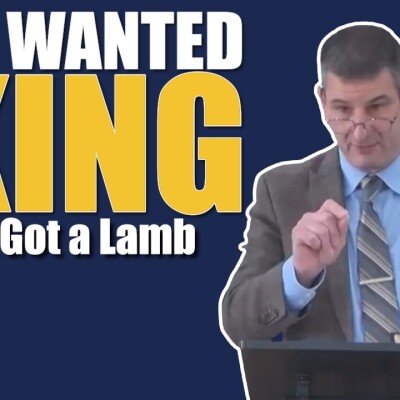
This message traces the Passover lamb from Exodus 12 to John 12 to 1 Corinthians 11, showing how the Jewish people on Nissan 10 inadvertently fulfilled Exodus 12:3 when they selected Jesus as their king — not knowing they were selecting a sacrificial lamb. Four days later, Nissan 14, the lamb was slain.
The ordinance we observe as New Testament Christians is the church's way of preaching a sermon without words — proclaiming the Lord's death, his resurrection, and his coming again every time we take the cup.
This message covers:
• Why Palm Sunday falls on Nissan 10 in the Hebrew calendar and what that means
• How John 12 inadvertently fulfills Exodus 12:3 — they wanted a king, they selected a lamb
• The difference between Nissan 10 (selection) and Nissan 14 (sacrifice)
• What the bread and cup actually represent — and what they cannot become, no matter how many prayers are prayed over them
• Why the Lord's Supper is a public proclamation, not a private ritual
• The two emptinesses this ordinance stands between: an empty cross and an empty sky
• Why "till he come" presupposes the resurrection — a dead Savior can't return
• Why this ordinance has an expiration date, and what ends it
Hosted on Ausha. See ausha.co/privacy-policy for more information.