- Speaker #0
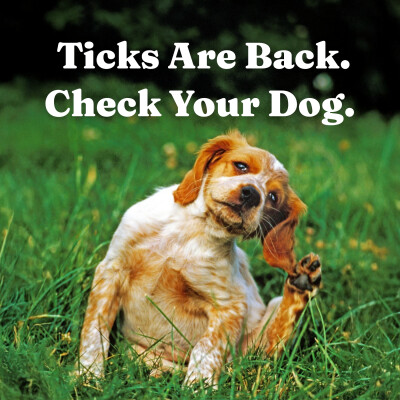
I found a tick on my dog and I feel terrible.
- Speaker #1
Not a parenting failure. Welcome to Unleash Curiosity by Vital Pet Life. I'm Dr. Amber Da Silva, veterinarian and advocate for integrative pet care. And I'm Donnie Yamamoto, founder and CEO of Vital Pet Life. We're so glad you're here. This is a space where curiosity, compassion, and science converge, where we explore the powerful mind-body connection that supports your pet's health and your own. Each week, We'll dive deep into the world of pet wellness,
- Speaker #0
breaking down myths, exploring ingredients, and learning from expert voices across the industry. From nutrition and sustainability to transparency and advocacy, we're here to help you feel more confident, connected, and informed in your care choices. Let's get into it, because when we know better, we do better.
- Speaker #1
This is Unleashed Curiosity.
- Speaker #0
Welcome back to Unleashed Curiosity, where we explore the science, care, and emotional connection behind helping pets live comfortable, happier lives. I'm Donnie Yamamoto, founder of Vital Pet Life.
- Speaker #1
And I'm Dr. Amber DaSilva, veterinarian and part of the Vital Pet Life team.
- Speaker #0
Dr. Amber, every summer we get the same message from listeners. I found a tick on my dog and I feel terrible. Why does it feel like this time of the year is just an open season?
- Speaker #1
Well, because it kind of is. And it has nothing to do with anything you did. Ticks and fleas are driven by temperature and humidity. So once it's consistently above about 45 degrees Fahrenheit, then the tick activity picks up and even fleas are even less picky. They thrive anywhere warm and humid, which is most of the country for most of the summer. And there are some climates. You know, like in the south where it never gets really, really cold, where you can have flea and tick activity year round, not just in the summer.
- Speaker #0
And I think it's been pretty, it's warmer this time of the year, like, or this year compared to last year. Yeah.
- Speaker #1
Where I live, we had a really mild winter. And so, you know, we don't have a lot of fleas here, but we're seeing more ticks for sure. And then we saw like mosquitoes in February.
- Speaker #0
So.
- Speaker #1
You know, sometimes it's just the environment is right and the temperature is right to make them more active.
- Speaker #0
Yeah. Well, so this isn't just a yard problem or you let your dog run through the wrong patch of the grass problem, you know?
- Speaker #1
No, not at all. It's an environmental and biological reality, not a parenting failure. Ticks live in tall grass, leaf litter, and brush, and they just wait for a host to walk by. And then. fleas can hitch a ride from another animal, a shared trail, or even a neighbor's yard. A dog can pick up, you know, either one on just a five-minute walk around the block.
- Speaker #0
So what are we actually worried about here? Like, is it just the itch or there's more to it? I mean, I kind of know what it is, but for our listeners, can you like, you know, articulate it for us?
- Speaker #1
Yeah, yeah. So we're worried about both of those things. So fleas, you know, on their own, they were miserable. They cause itching and hot spots and some dogs are especially sensitive. So they can have allergy, a flea bite allergy. So a single bite can trigger several days of noticeable itching. And then ticks are the bigger long-term concern because of what they can transmit if they're attached long enough. So there's many, several tick-borne diseases that can be transmitted. And so that's... That's what we're really concerned about. And that's the real reason the timing of a tick check matters so much. The tick has to be attached and feeding. And it depends on the organism, but sometimes that's a couple of hours. Sometimes it's a couple of days that the tick has to be attached before it transmits these diseases. So that's, you know, exactly why catching it early matters so much.
- Speaker #0
I think that's the part. people don't really realize it's not instant, you know?
- Speaker #1
Right. Yeah. Most disease transmission, like I said, it takes somewhere, you know, 24 to 48 hours, but there are some diseases that within a couple of hours, they'll be transmitted. And that, you know, so that window is your opportunity. A tick check isn't a nice to have. It's the single highest leverage thing that you can do in tick season.
- Speaker #0
Okay. So walk us through. like on how we can daily check and what actually works. So what does an actual tick check look like?
- Speaker #1
So after every walk, you're not just going to, you know, kind of like look. You're actually going to run your fingers through their hair, their whole body. You can run it with the grain. You can run it against the grain of the hair. But you basically want to try to like put your fingers on every square centimeter of their bodies. You want to pay special attention to, you know, little crevices like ears between the toes, armpits and the groin and around the collar. Because ticks will look for warm hidden spots. And if you feel a bump that wasn't there yesterday. part the fur and really take a close look. I've also seen ticks in ears, which is really, really yucky. I saw actually on a cat, this cat was just shaking its head like crazy. The owner brought it in to have us check it. And I looked down with the scope and I saw like the big fat body attached and all filled with blood. Yeah. So that cat was really uncomfortable with the tick down inside its ears. So, you know. Check every little nook and cranny. And then for ears, obviously you can't like look down inside without a scope. But if you do notice shaking or scratching or anything like that, then that would warrant a visit to the vet.
- Speaker #0
Well, and if you find one that's attaching to body, like how can you take it out?
- Speaker #1
Yeah. So you want to use like really fine tipped tweezers and grasp it as close to the skin as possible and pull straight up with. steady, even pressure. So you don't want to twist it or squeeze the body and then clean the area really well afterwards. If you feel like you can't remove it cleanly or you're not sure how long it's been attached, then that would, I would call the vet and not just try to guess. The other thing is when you find a tick, either take a picture or save it in a little jar or something. Show the but because there are different types of ticks. And different ticks transmit different diseases. And so, you know, you want to have as much information for your vet as possible. So you bring it in. We can identify the tick and say, okay, these are the most likely diseases that this type of tick carries. So, yeah, just all of as much information as we can have will help us.
- Speaker #0
Yeah. I mean, what about the fleas? Is it the same? Just check daily approach? I mean, I had experience with the boys.
- Speaker #1
Yeah, so similar idea, different signs. You want to watch for excessive scratching, small dark specks in the coat that look like pepper or, you know, kind of rusty colored. That's flea dirt. So, you know, at the vet, we have these flea combs and you can, sometimes you don't actually see the fleas, but you can find that dirt. It jumps. Yeah, yeah. So the fleas are so tiny and they'll jump. So. you know, any, so you want to look for those signs and then any red irritated skin. So especially like around the neck area and at the base of the tail are the two most common places that you're going to see. And then, you know, like I said, like you can comb onto a white paper towel or something. And then if you find that flea dirt, then that's pretty, pretty slam dunk. that there are fleas there.
- Speaker #0
Okay. And then for the proactive side, what's the actual routine you'd tell a pet parent to follow?
- Speaker #1
So three things. So the first one is that you want to talk to your vet about a year-round proactive plan that fits your dog's lifestyle and region. This is the highest impact step and it's not just one size fits all. So... For my area, we don't have a lot of fleas. We have ticks in certain areas, which is becoming more common. So earlier on in my career, I would say, if you're going to be traveling with your pet, if you're going to be camping, you're going to high tick areas, then put them on prevention. Now we're starting to recommend it more because we are seeing more cases. Whereas in other parts of the country. where there's a much heavier burden of fleas and ticks, your vet may recommend year-round treatment for flea and tick. So that's the first thing. Number two is to keep the grass trimmed and the brush cleared where your dog spends the most time, since that will remove the habitat the ticks wait in. And then three, you want to build that daily check into your routine, the same way you'd check for, you know, cuts on the paw or, you know, whatever. So it... takes under two minutes. I mean, it's pretty quick and it's the backstop for everything else.
- Speaker #0
Yeah. One more thing I want to ask about. Does what's happening on the inside matter here at all? Like skin health, cold condition, anything like that? Like, does that impact or, I mean, I know for tics, like... Is that something?
- Speaker #1
Yeah, I mean, it's not a substitute for prevention, but a healthy skin barrier does make a real difference in how a dog's skin responds to bites and irritation generally. The other thing is, you know, if they have like, let's say allergies and they're really itchy, but then all of a sudden you notice like they're even itchier than kind of their normal baseline itchiness, then you know, there may be fleas or something like that. And so you can have other conditions and then still have those, you know, those parasites on top of that. So as far as keeping a healthy skin barrier, that's what a lot, you know, we've talked about this a lot about omega-3 support. So it's just one small piece of the bigger picture, but not a tick or flea treatment on its own.
- Speaker #0
Well, so to take away... This isn't about you did wrong, like a pet parent, like you forgot to take care of her, like clean them up. But it's a two-minute habit that catches things early.
- Speaker #1
Right. Yeah. Just, you know, they can be exposed anywhere, anytime. So you just want to be vigilant. You want to run your hands over your dog after every walk and know what you're feeling for. Get your vet in on this. Talk to them about a preventative that fits your dog's actual life. And that combination handles almost everything this season will throw at you.
- Speaker #0
Yeah. Well, thanks, Dr. Amber. And to everyone listening, if you run tonight's check and find something you're not sure about, that's exactly the kind of thing your vet is there for. Subscribe, leave a review, and share this with a fellow pet parent before their next walk.