Description
Why a Brighter Pod?
Issues that have affected growers so far in the season
Issues to think about in the later half of the growing season
Hosted on Ausha. See ausha.co/privacy-policy for more information.
Description
Why a Brighter Pod?
Issues that have affected growers so far in the season
Issues to think about in the later half of the growing season
Hosted on Ausha. See ausha.co/privacy-policy for more information.
Transcription
Welcome to A Search for the Brighter pod. This is a podcast about peanuts in our state. I'm your host, Gary Little, and with me is... North Carolina peanut extension specialist, Dr. David Jordan. David, tell me, where did A Search for a Brighter Pod come from?
Thank you for asking, Gary. I think you know the answer to that. You and I were sitting around one day talking about extension and getting information out to growers and what you've experienced here in the department. And you. subtly said, David, why don't you do a podcast, you and your colleagues? And I said, well, if you'll help me do it, we'll try to do it. And so that's kind of how the conversation started. But I certainly understand that people, farmers, the people that support them have different ways of receiving information. There's a lot of podcasts out there. I certainly listen to those myself. And having a podcast where we get some of the most pertinent information out to growers as quickly as we can through this medium, I think, was a great idea. So this is our attempt to do that, to have this podcast and to move forward with that.
So that's about the podcast. What's going to be our goal in the coming weeks, months, years?
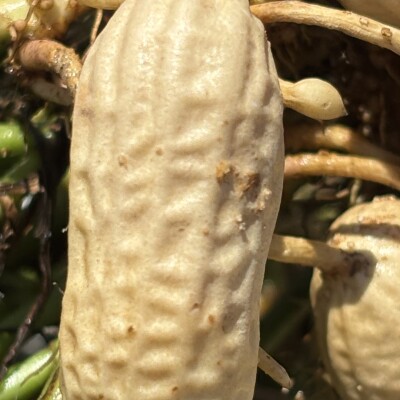
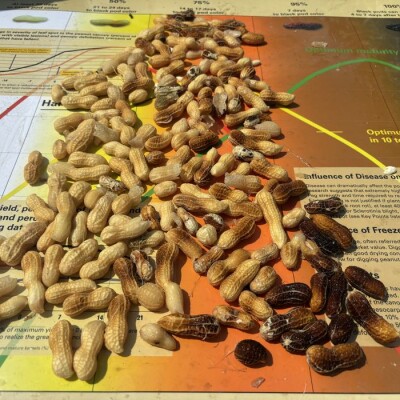
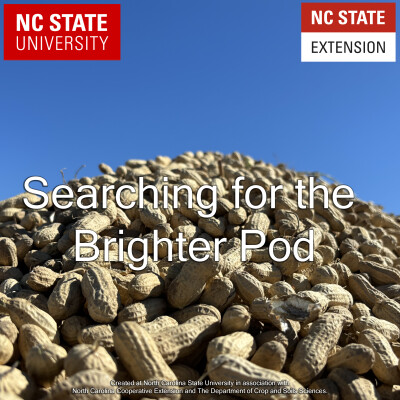
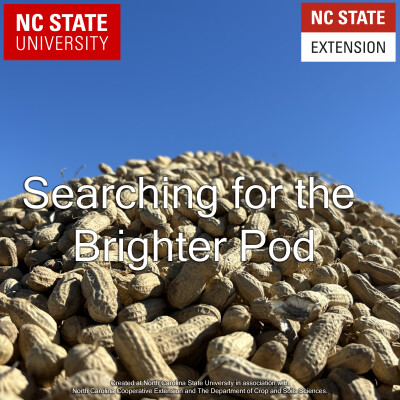
Great question, Gary. A lot to unpack there. So what we're going to try to do with this podcast is have them as frequently as we can to look back at the last few weeks and explain how we got to this point in time, but then also project on where we think we're going to be in the next couple of weeks and some of the issues that farmers that are growing peanuts might have to face. And one thing to circle back on is where did the name, a search for... the brighter pod come from. If you think about peanuts in North Carolina, we grow primarily for the in-shell trade. Certainly peanuts are used in a lot of places, but we think about bright, shiny pods. And our hope there is if we have good quality, if we can do good management, we're going to increase not only the yield per acre, but also the brightness of our pod. So that's the catch on that particular title.
Okay. Well, then let's talk about how we've got to this point of the growing season. What's happened to put us in the positions that we're in now?
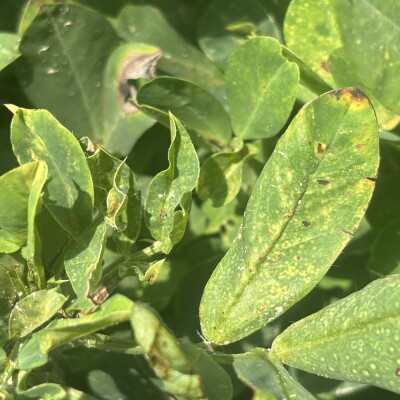
So, yeah, great question, Gary. So given this is our first podcast, I'm going to back up a little bit to the beginning of the season real quickly. And many folks that are farmers, they understand how dry we were in May and June. And there were certainly some water restrictions in certain places. We had many dry fields. But fortunately with peanuts, we can plant those deep. We can plant two to three inches if we need to to get moisture. So even under those dry conditions, most fields, farmers in most fields were able to get stands. But we had dry conditions. That affected how the crop grew. We don't know for sure how that's going to affect maturity when you have some of those hot, dry conditions early on. How did that affect flowering? But more recently, when we moved into July, we began to pick up rain around the state. And I won't say it's been perfect across the state, but most people have been able to get an adequate amount. Generally, we need about an inch of rain per week if you were to look at averages. And if you could get that, you would be in the ballpark to have. Really good yields, certainly average yields for the state. More recently, the last couple of weeks, we've had more rain in some places than we needed. And that has created some challenges for us. So I would say that peanuts right now are in a really good position in spite of some of the challenges we had early in the year. And if I just walk back a little bit, here are some of the things that we had dealt with over the last couple of weeks. So given it was dry in May and June and. part of July. Weed control kind of fooled us a little bit. We had a lot of fields that didn't have huge amounts of weeds in them, but that was because we had dry conditions. Now, once we started picking up a significant amount of rain, we had a lot of weeds that came up at that point that broke through some of our soil applied herbicides that we had either at planting or... on into the season. So farmers more recently have been trying to rogue those weeds out. They've been spraying some herbicides depending on what the weed complex is. But weed control has been an issue for some folks over the last couple of weeks. The other thing is we move into fungicide sprays to protect the crop from leaf spot disease and stem rot once we get into July. And most farmers spray on about a 14-day schedule. We do have some fungicides that can be extended maybe up to 21 days, but you really do need to stay on a fairly tight schedule, especially if you have humid conditions and ample rainfall, which we've experienced. We've had some situations where farmers have gotten rained out or they can't get back into the field as quickly as they'd like, so we do worry a little bit about some of those gaps in control and protection, and we'll just see how that plays out as we go towards harvest. We have had activity for Sclerotinia blight. In some cases, it's very hot outside today, but a couple of weeks ago, we had some cooler temperatures. We had a lot of moisture. And if you look at our advisories for Sclerotinia blight, they were all high or moderate around the state. So if you had that disease in the field, you needed to look close, do some scouting, and then adjust your fungicide programs to make sure you had protection from that particular um disease that we have in fields. A couple more things. Growers over the last couple of weeks have been monitoring fields for what I call foliar feeding insects. That would be corn earworm, tobacco budworm, in some cases maybe fall armyworm. And they look at the fields, they look for damage, they look at populations. And our trigger for an application is about eight insects per foot using a beat cloth on one row. So many people know how to do that. If you've got a question, certainly you can reach out to your local extension agent and we can help you get there. Another thing that has shown up the last couple of weeks that we normally don't have as big an issue with is tomato spotted wilt. Based on what I'm hearing and seeing in the state and talking with some colleagues up in Virginia, we probably have more spotted wilt showing up now than we've had in the last decade, maybe even a little bit longer. So we'll see what happens over the remainder of the season. But that particular pest problem has really shown itself this year. We still have a solid month left in the season, and we hope that it doesn't continue to just progress and get a lot worse, but we'll have to see.
That's how we got here. Now... What do growers need to think about over the next few weeks coming up?
Another great question, Gary. And you've known me for a long time and you know my ability to ramble from the past and into the present future happens. So some of the things that we have been looking for or had to look for for the last couple of weeks are going to continue to be in place. So as I mentioned a few minutes ago, we were about maybe a month away from really digging. peanuts and inverting vines and beginning that harvest season. For most people, it's going to be more like six weeks or so before that happens. But we still have a significant amount of time where we have to protect peanuts from disease. And again, our major diseases that we can help protect from are leaf spot disease and also southern stem rot and sclerotinia blight. So over the next couple of weeks, farmers are going to be encouraged to stay on their spray schedules. If someone got behind on a spray program early in the year, we might recommend that a farmer has a bit tighter interval so that we try to keep any pathogens that have developed from really exploding and having epidemics. But again, over the next month, a lot of fields are going to continue to be on that leaf spot stem rot protection program. Also, if we begin to see cooler temperatures, we're going to worry more about sclerotinia blight. And again, as farmers look at our advisories, they can get a sense of whether conditions are favorable. So that's a couple of things that are going to happen. A few other things. There are some growers that have sprayed prohexidine calcium, which is a plant growth regulator. It keeps peanut vines from being excessive in their vegetative growth. Many growers are making their second application if they need to. In some years, we only make one, especially if we get dry conditions. So I would encourage folks that have used it earlier in the season before they make a next application is to look close at whether you're getting regrowth. And if you're not and if it turns dry, you don't need to make that next application. We've had times where a second application under dry conditions can actually cause us to begin to lose yield. So we want to be careful on that. And I guess I would say the last thing that folks are going to be doing for the next couple of weeks is really thinking about harvest and digging. There's some anxiety when it comes to that, those steps because of weather. conditions, but growers are getting equipment ready. They're staying on a solid schedule for their spray programs. And one little last bit is we know that if we can have healthy vines going into the middle of September and towards the end of September, we have a lot more flexibility on when we dig peanuts compared to if we have a lot of disease where we might have to trigger our digging based on disease and not based on the maturity of the crop. our Highest yields and our best quality often occur when we can let peanuts get mature and we have very little disease that is causing a problem. And I guess one more quick thing, Gary, is we I guess we wrap this up. I would encourage people to go to our extension portal. You could just Google NCSU peanuts and it will probably bring you to that site. We post a lot of information on there. And also, if you have questions. If you're a peanut grower and you have questions, you can contact us directly. Certainly reach out to us through many, many avenues. But your county agent is your first line of defense. We'd encourage you to reach out to those folks that are there to serve you. And we've got a really good cohort of county agents that can help you with peanuts.
Well, thank you. And thank you for listening. Hopefully you'll hear us again.
That we hope.
Description
Why a Brighter Pod?
Issues that have affected growers so far in the season
Issues to think about in the later half of the growing season
Hosted on Ausha. See ausha.co/privacy-policy for more information.
Transcription
Welcome to A Search for the Brighter pod. This is a podcast about peanuts in our state. I'm your host, Gary Little, and with me is... North Carolina peanut extension specialist, Dr. David Jordan. David, tell me, where did A Search for a Brighter Pod come from?
Thank you for asking, Gary. I think you know the answer to that. You and I were sitting around one day talking about extension and getting information out to growers and what you've experienced here in the department. And you. subtly said, David, why don't you do a podcast, you and your colleagues? And I said, well, if you'll help me do it, we'll try to do it. And so that's kind of how the conversation started. But I certainly understand that people, farmers, the people that support them have different ways of receiving information. There's a lot of podcasts out there. I certainly listen to those myself. And having a podcast where we get some of the most pertinent information out to growers as quickly as we can through this medium, I think, was a great idea. So this is our attempt to do that, to have this podcast and to move forward with that.
So that's about the podcast. What's going to be our goal in the coming weeks, months, years?
Great question, Gary. A lot to unpack there. So what we're going to try to do with this podcast is have them as frequently as we can to look back at the last few weeks and explain how we got to this point in time, but then also project on where we think we're going to be in the next couple of weeks and some of the issues that farmers that are growing peanuts might have to face. And one thing to circle back on is where did the name, a search for... the brighter pod come from. If you think about peanuts in North Carolina, we grow primarily for the in-shell trade. Certainly peanuts are used in a lot of places, but we think about bright, shiny pods. And our hope there is if we have good quality, if we can do good management, we're going to increase not only the yield per acre, but also the brightness of our pod. So that's the catch on that particular title.
Okay. Well, then let's talk about how we've got to this point of the growing season. What's happened to put us in the positions that we're in now?
So, yeah, great question, Gary. So given this is our first podcast, I'm going to back up a little bit to the beginning of the season real quickly. And many folks that are farmers, they understand how dry we were in May and June. And there were certainly some water restrictions in certain places. We had many dry fields. But fortunately with peanuts, we can plant those deep. We can plant two to three inches if we need to to get moisture. So even under those dry conditions, most fields, farmers in most fields were able to get stands. But we had dry conditions. That affected how the crop grew. We don't know for sure how that's going to affect maturity when you have some of those hot, dry conditions early on. How did that affect flowering? But more recently, when we moved into July, we began to pick up rain around the state. And I won't say it's been perfect across the state, but most people have been able to get an adequate amount. Generally, we need about an inch of rain per week if you were to look at averages. And if you could get that, you would be in the ballpark to have. Really good yields, certainly average yields for the state. More recently, the last couple of weeks, we've had more rain in some places than we needed. And that has created some challenges for us. So I would say that peanuts right now are in a really good position in spite of some of the challenges we had early in the year. And if I just walk back a little bit, here are some of the things that we had dealt with over the last couple of weeks. So given it was dry in May and June and. part of July. Weed control kind of fooled us a little bit. We had a lot of fields that didn't have huge amounts of weeds in them, but that was because we had dry conditions. Now, once we started picking up a significant amount of rain, we had a lot of weeds that came up at that point that broke through some of our soil applied herbicides that we had either at planting or... on into the season. So farmers more recently have been trying to rogue those weeds out. They've been spraying some herbicides depending on what the weed complex is. But weed control has been an issue for some folks over the last couple of weeks. The other thing is we move into fungicide sprays to protect the crop from leaf spot disease and stem rot once we get into July. And most farmers spray on about a 14-day schedule. We do have some fungicides that can be extended maybe up to 21 days, but you really do need to stay on a fairly tight schedule, especially if you have humid conditions and ample rainfall, which we've experienced. We've had some situations where farmers have gotten rained out or they can't get back into the field as quickly as they'd like, so we do worry a little bit about some of those gaps in control and protection, and we'll just see how that plays out as we go towards harvest. We have had activity for Sclerotinia blight. In some cases, it's very hot outside today, but a couple of weeks ago, we had some cooler temperatures. We had a lot of moisture. And if you look at our advisories for Sclerotinia blight, they were all high or moderate around the state. So if you had that disease in the field, you needed to look close, do some scouting, and then adjust your fungicide programs to make sure you had protection from that particular um disease that we have in fields. A couple more things. Growers over the last couple of weeks have been monitoring fields for what I call foliar feeding insects. That would be corn earworm, tobacco budworm, in some cases maybe fall armyworm. And they look at the fields, they look for damage, they look at populations. And our trigger for an application is about eight insects per foot using a beat cloth on one row. So many people know how to do that. If you've got a question, certainly you can reach out to your local extension agent and we can help you get there. Another thing that has shown up the last couple of weeks that we normally don't have as big an issue with is tomato spotted wilt. Based on what I'm hearing and seeing in the state and talking with some colleagues up in Virginia, we probably have more spotted wilt showing up now than we've had in the last decade, maybe even a little bit longer. So we'll see what happens over the remainder of the season. But that particular pest problem has really shown itself this year. We still have a solid month left in the season, and we hope that it doesn't continue to just progress and get a lot worse, but we'll have to see.
That's how we got here. Now... What do growers need to think about over the next few weeks coming up?
Another great question, Gary. And you've known me for a long time and you know my ability to ramble from the past and into the present future happens. So some of the things that we have been looking for or had to look for for the last couple of weeks are going to continue to be in place. So as I mentioned a few minutes ago, we were about maybe a month away from really digging. peanuts and inverting vines and beginning that harvest season. For most people, it's going to be more like six weeks or so before that happens. But we still have a significant amount of time where we have to protect peanuts from disease. And again, our major diseases that we can help protect from are leaf spot disease and also southern stem rot and sclerotinia blight. So over the next couple of weeks, farmers are going to be encouraged to stay on their spray schedules. If someone got behind on a spray program early in the year, we might recommend that a farmer has a bit tighter interval so that we try to keep any pathogens that have developed from really exploding and having epidemics. But again, over the next month, a lot of fields are going to continue to be on that leaf spot stem rot protection program. Also, if we begin to see cooler temperatures, we're going to worry more about sclerotinia blight. And again, as farmers look at our advisories, they can get a sense of whether conditions are favorable. So that's a couple of things that are going to happen. A few other things. There are some growers that have sprayed prohexidine calcium, which is a plant growth regulator. It keeps peanut vines from being excessive in their vegetative growth. Many growers are making their second application if they need to. In some years, we only make one, especially if we get dry conditions. So I would encourage folks that have used it earlier in the season before they make a next application is to look close at whether you're getting regrowth. And if you're not and if it turns dry, you don't need to make that next application. We've had times where a second application under dry conditions can actually cause us to begin to lose yield. So we want to be careful on that. And I guess I would say the last thing that folks are going to be doing for the next couple of weeks is really thinking about harvest and digging. There's some anxiety when it comes to that, those steps because of weather. conditions, but growers are getting equipment ready. They're staying on a solid schedule for their spray programs. And one little last bit is we know that if we can have healthy vines going into the middle of September and towards the end of September, we have a lot more flexibility on when we dig peanuts compared to if we have a lot of disease where we might have to trigger our digging based on disease and not based on the maturity of the crop. our Highest yields and our best quality often occur when we can let peanuts get mature and we have very little disease that is causing a problem. And I guess one more quick thing, Gary, is we I guess we wrap this up. I would encourage people to go to our extension portal. You could just Google NCSU peanuts and it will probably bring you to that site. We post a lot of information on there. And also, if you have questions. If you're a peanut grower and you have questions, you can contact us directly. Certainly reach out to us through many, many avenues. But your county agent is your first line of defense. We'd encourage you to reach out to those folks that are there to serve you. And we've got a really good cohort of county agents that can help you with peanuts.
Well, thank you. And thank you for listening. Hopefully you'll hear us again.
That we hope.
Share
Embed
You may also like
Description
Why a Brighter Pod?
Issues that have affected growers so far in the season
Issues to think about in the later half of the growing season
Hosted on Ausha. See ausha.co/privacy-policy for more information.
Transcription
Welcome to A Search for the Brighter pod. This is a podcast about peanuts in our state. I'm your host, Gary Little, and with me is... North Carolina peanut extension specialist, Dr. David Jordan. David, tell me, where did A Search for a Brighter Pod come from?
Thank you for asking, Gary. I think you know the answer to that. You and I were sitting around one day talking about extension and getting information out to growers and what you've experienced here in the department. And you. subtly said, David, why don't you do a podcast, you and your colleagues? And I said, well, if you'll help me do it, we'll try to do it. And so that's kind of how the conversation started. But I certainly understand that people, farmers, the people that support them have different ways of receiving information. There's a lot of podcasts out there. I certainly listen to those myself. And having a podcast where we get some of the most pertinent information out to growers as quickly as we can through this medium, I think, was a great idea. So this is our attempt to do that, to have this podcast and to move forward with that.
So that's about the podcast. What's going to be our goal in the coming weeks, months, years?
Great question, Gary. A lot to unpack there. So what we're going to try to do with this podcast is have them as frequently as we can to look back at the last few weeks and explain how we got to this point in time, but then also project on where we think we're going to be in the next couple of weeks and some of the issues that farmers that are growing peanuts might have to face. And one thing to circle back on is where did the name, a search for... the brighter pod come from. If you think about peanuts in North Carolina, we grow primarily for the in-shell trade. Certainly peanuts are used in a lot of places, but we think about bright, shiny pods. And our hope there is if we have good quality, if we can do good management, we're going to increase not only the yield per acre, but also the brightness of our pod. So that's the catch on that particular title.
Okay. Well, then let's talk about how we've got to this point of the growing season. What's happened to put us in the positions that we're in now?
So, yeah, great question, Gary. So given this is our first podcast, I'm going to back up a little bit to the beginning of the season real quickly. And many folks that are farmers, they understand how dry we were in May and June. And there were certainly some water restrictions in certain places. We had many dry fields. But fortunately with peanuts, we can plant those deep. We can plant two to three inches if we need to to get moisture. So even under those dry conditions, most fields, farmers in most fields were able to get stands. But we had dry conditions. That affected how the crop grew. We don't know for sure how that's going to affect maturity when you have some of those hot, dry conditions early on. How did that affect flowering? But more recently, when we moved into July, we began to pick up rain around the state. And I won't say it's been perfect across the state, but most people have been able to get an adequate amount. Generally, we need about an inch of rain per week if you were to look at averages. And if you could get that, you would be in the ballpark to have. Really good yields, certainly average yields for the state. More recently, the last couple of weeks, we've had more rain in some places than we needed. And that has created some challenges for us. So I would say that peanuts right now are in a really good position in spite of some of the challenges we had early in the year. And if I just walk back a little bit, here are some of the things that we had dealt with over the last couple of weeks. So given it was dry in May and June and. part of July. Weed control kind of fooled us a little bit. We had a lot of fields that didn't have huge amounts of weeds in them, but that was because we had dry conditions. Now, once we started picking up a significant amount of rain, we had a lot of weeds that came up at that point that broke through some of our soil applied herbicides that we had either at planting or... on into the season. So farmers more recently have been trying to rogue those weeds out. They've been spraying some herbicides depending on what the weed complex is. But weed control has been an issue for some folks over the last couple of weeks. The other thing is we move into fungicide sprays to protect the crop from leaf spot disease and stem rot once we get into July. And most farmers spray on about a 14-day schedule. We do have some fungicides that can be extended maybe up to 21 days, but you really do need to stay on a fairly tight schedule, especially if you have humid conditions and ample rainfall, which we've experienced. We've had some situations where farmers have gotten rained out or they can't get back into the field as quickly as they'd like, so we do worry a little bit about some of those gaps in control and protection, and we'll just see how that plays out as we go towards harvest. We have had activity for Sclerotinia blight. In some cases, it's very hot outside today, but a couple of weeks ago, we had some cooler temperatures. We had a lot of moisture. And if you look at our advisories for Sclerotinia blight, they were all high or moderate around the state. So if you had that disease in the field, you needed to look close, do some scouting, and then adjust your fungicide programs to make sure you had protection from that particular um disease that we have in fields. A couple more things. Growers over the last couple of weeks have been monitoring fields for what I call foliar feeding insects. That would be corn earworm, tobacco budworm, in some cases maybe fall armyworm. And they look at the fields, they look for damage, they look at populations. And our trigger for an application is about eight insects per foot using a beat cloth on one row. So many people know how to do that. If you've got a question, certainly you can reach out to your local extension agent and we can help you get there. Another thing that has shown up the last couple of weeks that we normally don't have as big an issue with is tomato spotted wilt. Based on what I'm hearing and seeing in the state and talking with some colleagues up in Virginia, we probably have more spotted wilt showing up now than we've had in the last decade, maybe even a little bit longer. So we'll see what happens over the remainder of the season. But that particular pest problem has really shown itself this year. We still have a solid month left in the season, and we hope that it doesn't continue to just progress and get a lot worse, but we'll have to see.
That's how we got here. Now... What do growers need to think about over the next few weeks coming up?
Another great question, Gary. And you've known me for a long time and you know my ability to ramble from the past and into the present future happens. So some of the things that we have been looking for or had to look for for the last couple of weeks are going to continue to be in place. So as I mentioned a few minutes ago, we were about maybe a month away from really digging. peanuts and inverting vines and beginning that harvest season. For most people, it's going to be more like six weeks or so before that happens. But we still have a significant amount of time where we have to protect peanuts from disease. And again, our major diseases that we can help protect from are leaf spot disease and also southern stem rot and sclerotinia blight. So over the next couple of weeks, farmers are going to be encouraged to stay on their spray schedules. If someone got behind on a spray program early in the year, we might recommend that a farmer has a bit tighter interval so that we try to keep any pathogens that have developed from really exploding and having epidemics. But again, over the next month, a lot of fields are going to continue to be on that leaf spot stem rot protection program. Also, if we begin to see cooler temperatures, we're going to worry more about sclerotinia blight. And again, as farmers look at our advisories, they can get a sense of whether conditions are favorable. So that's a couple of things that are going to happen. A few other things. There are some growers that have sprayed prohexidine calcium, which is a plant growth regulator. It keeps peanut vines from being excessive in their vegetative growth. Many growers are making their second application if they need to. In some years, we only make one, especially if we get dry conditions. So I would encourage folks that have used it earlier in the season before they make a next application is to look close at whether you're getting regrowth. And if you're not and if it turns dry, you don't need to make that next application. We've had times where a second application under dry conditions can actually cause us to begin to lose yield. So we want to be careful on that. And I guess I would say the last thing that folks are going to be doing for the next couple of weeks is really thinking about harvest and digging. There's some anxiety when it comes to that, those steps because of weather. conditions, but growers are getting equipment ready. They're staying on a solid schedule for their spray programs. And one little last bit is we know that if we can have healthy vines going into the middle of September and towards the end of September, we have a lot more flexibility on when we dig peanuts compared to if we have a lot of disease where we might have to trigger our digging based on disease and not based on the maturity of the crop. our Highest yields and our best quality often occur when we can let peanuts get mature and we have very little disease that is causing a problem. And I guess one more quick thing, Gary, is we I guess we wrap this up. I would encourage people to go to our extension portal. You could just Google NCSU peanuts and it will probably bring you to that site. We post a lot of information on there. And also, if you have questions. If you're a peanut grower and you have questions, you can contact us directly. Certainly reach out to us through many, many avenues. But your county agent is your first line of defense. We'd encourage you to reach out to those folks that are there to serve you. And we've got a really good cohort of county agents that can help you with peanuts.
Well, thank you. And thank you for listening. Hopefully you'll hear us again.
That we hope.
Description
Why a Brighter Pod?
Issues that have affected growers so far in the season
Issues to think about in the later half of the growing season
Hosted on Ausha. See ausha.co/privacy-policy for more information.
Transcription
Welcome to A Search for the Brighter pod. This is a podcast about peanuts in our state. I'm your host, Gary Little, and with me is... North Carolina peanut extension specialist, Dr. David Jordan. David, tell me, where did A Search for a Brighter Pod come from?
Thank you for asking, Gary. I think you know the answer to that. You and I were sitting around one day talking about extension and getting information out to growers and what you've experienced here in the department. And you. subtly said, David, why don't you do a podcast, you and your colleagues? And I said, well, if you'll help me do it, we'll try to do it. And so that's kind of how the conversation started. But I certainly understand that people, farmers, the people that support them have different ways of receiving information. There's a lot of podcasts out there. I certainly listen to those myself. And having a podcast where we get some of the most pertinent information out to growers as quickly as we can through this medium, I think, was a great idea. So this is our attempt to do that, to have this podcast and to move forward with that.
So that's about the podcast. What's going to be our goal in the coming weeks, months, years?
Great question, Gary. A lot to unpack there. So what we're going to try to do with this podcast is have them as frequently as we can to look back at the last few weeks and explain how we got to this point in time, but then also project on where we think we're going to be in the next couple of weeks and some of the issues that farmers that are growing peanuts might have to face. And one thing to circle back on is where did the name, a search for... the brighter pod come from. If you think about peanuts in North Carolina, we grow primarily for the in-shell trade. Certainly peanuts are used in a lot of places, but we think about bright, shiny pods. And our hope there is if we have good quality, if we can do good management, we're going to increase not only the yield per acre, but also the brightness of our pod. So that's the catch on that particular title.
Okay. Well, then let's talk about how we've got to this point of the growing season. What's happened to put us in the positions that we're in now?
So, yeah, great question, Gary. So given this is our first podcast, I'm going to back up a little bit to the beginning of the season real quickly. And many folks that are farmers, they understand how dry we were in May and June. And there were certainly some water restrictions in certain places. We had many dry fields. But fortunately with peanuts, we can plant those deep. We can plant two to three inches if we need to to get moisture. So even under those dry conditions, most fields, farmers in most fields were able to get stands. But we had dry conditions. That affected how the crop grew. We don't know for sure how that's going to affect maturity when you have some of those hot, dry conditions early on. How did that affect flowering? But more recently, when we moved into July, we began to pick up rain around the state. And I won't say it's been perfect across the state, but most people have been able to get an adequate amount. Generally, we need about an inch of rain per week if you were to look at averages. And if you could get that, you would be in the ballpark to have. Really good yields, certainly average yields for the state. More recently, the last couple of weeks, we've had more rain in some places than we needed. And that has created some challenges for us. So I would say that peanuts right now are in a really good position in spite of some of the challenges we had early in the year. And if I just walk back a little bit, here are some of the things that we had dealt with over the last couple of weeks. So given it was dry in May and June and. part of July. Weed control kind of fooled us a little bit. We had a lot of fields that didn't have huge amounts of weeds in them, but that was because we had dry conditions. Now, once we started picking up a significant amount of rain, we had a lot of weeds that came up at that point that broke through some of our soil applied herbicides that we had either at planting or... on into the season. So farmers more recently have been trying to rogue those weeds out. They've been spraying some herbicides depending on what the weed complex is. But weed control has been an issue for some folks over the last couple of weeks. The other thing is we move into fungicide sprays to protect the crop from leaf spot disease and stem rot once we get into July. And most farmers spray on about a 14-day schedule. We do have some fungicides that can be extended maybe up to 21 days, but you really do need to stay on a fairly tight schedule, especially if you have humid conditions and ample rainfall, which we've experienced. We've had some situations where farmers have gotten rained out or they can't get back into the field as quickly as they'd like, so we do worry a little bit about some of those gaps in control and protection, and we'll just see how that plays out as we go towards harvest. We have had activity for Sclerotinia blight. In some cases, it's very hot outside today, but a couple of weeks ago, we had some cooler temperatures. We had a lot of moisture. And if you look at our advisories for Sclerotinia blight, they were all high or moderate around the state. So if you had that disease in the field, you needed to look close, do some scouting, and then adjust your fungicide programs to make sure you had protection from that particular um disease that we have in fields. A couple more things. Growers over the last couple of weeks have been monitoring fields for what I call foliar feeding insects. That would be corn earworm, tobacco budworm, in some cases maybe fall armyworm. And they look at the fields, they look for damage, they look at populations. And our trigger for an application is about eight insects per foot using a beat cloth on one row. So many people know how to do that. If you've got a question, certainly you can reach out to your local extension agent and we can help you get there. Another thing that has shown up the last couple of weeks that we normally don't have as big an issue with is tomato spotted wilt. Based on what I'm hearing and seeing in the state and talking with some colleagues up in Virginia, we probably have more spotted wilt showing up now than we've had in the last decade, maybe even a little bit longer. So we'll see what happens over the remainder of the season. But that particular pest problem has really shown itself this year. We still have a solid month left in the season, and we hope that it doesn't continue to just progress and get a lot worse, but we'll have to see.
That's how we got here. Now... What do growers need to think about over the next few weeks coming up?
Another great question, Gary. And you've known me for a long time and you know my ability to ramble from the past and into the present future happens. So some of the things that we have been looking for or had to look for for the last couple of weeks are going to continue to be in place. So as I mentioned a few minutes ago, we were about maybe a month away from really digging. peanuts and inverting vines and beginning that harvest season. For most people, it's going to be more like six weeks or so before that happens. But we still have a significant amount of time where we have to protect peanuts from disease. And again, our major diseases that we can help protect from are leaf spot disease and also southern stem rot and sclerotinia blight. So over the next couple of weeks, farmers are going to be encouraged to stay on their spray schedules. If someone got behind on a spray program early in the year, we might recommend that a farmer has a bit tighter interval so that we try to keep any pathogens that have developed from really exploding and having epidemics. But again, over the next month, a lot of fields are going to continue to be on that leaf spot stem rot protection program. Also, if we begin to see cooler temperatures, we're going to worry more about sclerotinia blight. And again, as farmers look at our advisories, they can get a sense of whether conditions are favorable. So that's a couple of things that are going to happen. A few other things. There are some growers that have sprayed prohexidine calcium, which is a plant growth regulator. It keeps peanut vines from being excessive in their vegetative growth. Many growers are making their second application if they need to. In some years, we only make one, especially if we get dry conditions. So I would encourage folks that have used it earlier in the season before they make a next application is to look close at whether you're getting regrowth. And if you're not and if it turns dry, you don't need to make that next application. We've had times where a second application under dry conditions can actually cause us to begin to lose yield. So we want to be careful on that. And I guess I would say the last thing that folks are going to be doing for the next couple of weeks is really thinking about harvest and digging. There's some anxiety when it comes to that, those steps because of weather. conditions, but growers are getting equipment ready. They're staying on a solid schedule for their spray programs. And one little last bit is we know that if we can have healthy vines going into the middle of September and towards the end of September, we have a lot more flexibility on when we dig peanuts compared to if we have a lot of disease where we might have to trigger our digging based on disease and not based on the maturity of the crop. our Highest yields and our best quality often occur when we can let peanuts get mature and we have very little disease that is causing a problem. And I guess one more quick thing, Gary, is we I guess we wrap this up. I would encourage people to go to our extension portal. You could just Google NCSU peanuts and it will probably bring you to that site. We post a lot of information on there. And also, if you have questions. If you're a peanut grower and you have questions, you can contact us directly. Certainly reach out to us through many, many avenues. But your county agent is your first line of defense. We'd encourage you to reach out to those folks that are there to serve you. And we've got a really good cohort of county agents that can help you with peanuts.
Well, thank you. And thank you for listening. Hopefully you'll hear us again.
That we hope.
Share
Embed
You may also like