undefined cover
undefined cover
Chicago Politics Roundtable: Fighting Misinformation in Media cover
N'DIGO STUDIO

Chicago Politics Roundtable: Fighting Misinformation in Media

Chicago Politics Roundtable: Fighting Misinformation in Media

28min |14/12/2025
Play
undefined cover
undefined cover
Chicago Politics Roundtable: Fighting Misinformation in Media cover
N'DIGO STUDIO

Chicago Politics Roundtable: Fighting Misinformation in Media

Chicago Politics Roundtable: Fighting Misinformation in Media

28min |14/12/2025
Play

Description

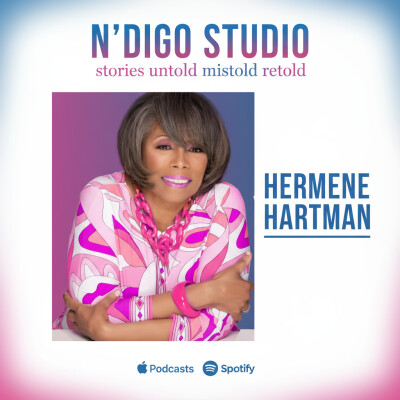
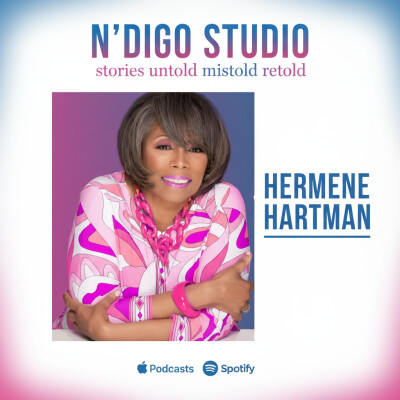
Host Hermene Hartman sits down with veteran journalists Curtis Lawrence and Darcel Rockett to examine how misinformation is reshaping Chicago's political landscape and what it means for local communities.


In This Episode:

  • How recent Homeland Security and ICE actions are impacting Chicago's marginalized communities

  • The rising pressure on journalists to self-censor and the fight for accurate reporting

  • Social media's role in amplifying political narratives, both true and false

  • Why Chicago needs new leadership that reflects its diverse voices


Lawrence and Rockett share firsthand accounts of covering politics under intimidation, the critical role of community journalism in documenting this moment, and how grassroots activism is pushing back against fear-driven policies.


This conversation bridges media, power, and community storytelling. It is essential listening for anyone invested in Chicago's future, social justice, and the intersection of race, culture, and politics.

Subscribe to N'DIGO STUDIO for more conversations with Chicago's changemakers and cultural icons.


Hosted on Ausha. See ausha.co/privacy-policy for more information.

Transcription

  • Speaker #0

    Hi, I'm Hermene Hartman and I want to welcome you to N'Digo Studio. We've got some special guests for our living room today. We're going to talk about politics, politics of now, politics of today. Headlines, they change absolutely every single hour. And the rhetoric, well, it's louder than ever before. And the nation seems caught between transformation, turmoil. Is it change? What is it? So joining me are some of the sharpest journalists covering the political front line, voices who help us make sense of the chaos. They write about it. They think about it. They talk about the characters and they look at the consequences. We're going to talk about leadership. We're going to talk about what has happened in media, misinformation, social media and the mood of the American people. What's real? What's been and what's next? Politics in real time through the eyes of those who write the very first draft of history. My guests, they are Curtis Lawrence. He's a. a former journalist with the Chicago Sun-Times and Block Club, and Darcel Rockett. She's with the Chicago Tribune. They are both award-winning journalists, and we want to hear what they think about today. Welcome. Welcome to the living room, N'digo Studio.

  • Speaker #1

    Thank you.

  • Speaker #0

    All right. So my question is, where are we? in the political world that we live in now, the politics of now? What do you think we are doing? Where are we? Good place, bad place, changing place. Where are we?

  • Speaker #2

    I think we're at least, I don't know, I say we as in the collective, you know, Chicagoan citizen, taxpayer, are just an ambiguous kind of, you know. not limbo, but like we don't necessarily know, you know, the ebbs and flows were what's the next thing that's going to jump out and do, you know, the jump scare. So I think just because and again, we're in uncharted territory at the moment. So I want to say that's where I'm at at the moment. I don't know if I'm speaking for all of Chicagoans. I know,

  • Speaker #0

    but because you don't know what to write about. Should I do this or should I do that? And then something happens. And should I dance? What do you think?

  • Speaker #3

    I think it's just I mean, for many of us, it's a state of chaos right now in our neighborhoods with ICE and Homeland Security, especially for black and brown people. But we're seeing that this impacts everyone. Recently, the Homeland Security people went into this daycare up on the north side. right and and went went into the daycare to to uh apprehend this woman and a teacher and yeah a teacher and so they're they're they're seeing these up these upward they um the the uh the cardinal is getting involved the the um clergy community is is is getting involved so this is impacting the whole city this chaos that started in january from a national so before we got started on camera you were telling me about something that happened. yesterday in front of the beam with the homeland security yeah um block club chicago um where i formerly worked which has done a great job of covering uh um ice and the developments here so colin boyle their photographer was out there at like six o'clock in the morning they came out and were posing for pictures in front of the beam and um shouting out things like uh, you know, little village, like they're in this conquering state of mind. When Bovino, who is leading the charge in the city, noticed that there was a journalist there, he told his people to mask up, so they put their mask on. And it just shows, you know, how, you know, Duggish. They have been here. It's terrible. The only good news is we recently heard, you guys reported, the Tribune reported that hopefully they're leaving. soon.

  • Speaker #0

    But here you are, this is the thing that really kind of I look at. You're in front of the beam, Grant Park, middle of Chicago, shouting Little Village. And then you put that on social media and it's like you have cleaned up Little Village and you're not even there. And a non-Chicago one may not know that. That's the switcheroo, the change, the adjustment, the manipulation. Of the media.

  • Speaker #3

    I think it's this whole thing of this intimidation is what they're trying to do. They intimidate people. Scare. Yeah, scare and intimidate. And yeah, it puts this fear where people are, in some of these communities, scared to go to work, scared to go out to get their groceries. The good thing about it, I think, if there's... The silver lining is how these communities are coming together with the whistles. You know, we're Chicago. We're not scared.

  • Speaker #0

    We're reacting.

  • Speaker #4

    We're responding to it.

  • Speaker #2

    Coordinated efforts. Yeah. So, yeah, I feel like we're already, you know, I can't tell you how many people come through Chicago and they're just like, I love this city. There's something about it's a it's a small village, but it's a big city. Yeah. So everybody knows everybody. And you like to think everybody watches over everybody. but this is like You know, if we thought we were together and coordinated with after, you know, George Floyd's murder, then this for sure is rallying the troops and hopefully strengthening the community ties. So it's a thicker fabric.

  • Speaker #4

    Whether you're considering an electric vehicle at work or at home, making the switch may not be as complex or expensive as you think. The tools, resources and rebates. available at comed.com slash EV. Make transitioning to an electric vehicle easier and more cost-effective than ever before. Charge into the future at comed.com slash EV.

  • Speaker #5

    I grew up on the South Side. I have friends that are barbers, drivers, musicians. They work on their own. Gigs where you don't have a big employer. It's not easy to get insured. At Get Covered Illinois, We're here to help. Across Illinois, 500,000 people access health care through Get Covered Illinois. That's why open enrollment at Get Covered Illinois is such an opportunity. But it all ends January 15th.

  • Speaker #4

    At ComEd, we understand a little help can really make someone's day. That's why we provide financial assistance and billing options. To help you pay and manage your electric bill, use the ComEd Smart Assistance Manager to discover bill assistance and savings options designed with you in mind.

  • Speaker #5

    It's not easy to get insurance. At Get Covered Illinois, we're here to help. It's one place where people can compare plans and prices and also get help with their premium. Get Covered Illinois. We're here to help.

  • Speaker #0

    We're media people. And I want to talk about how the media has changed, how it has responded to the Trump administration. Just recently, BBC, some of the top executives resigned because Trump did not like the edit. that they did, that they were doing for documentary. Same thing. This is a repeat of what happened with ABC. He didn't like the edit. And I'm like, how is he seeing these edits? And editing as a part of television is as natural as breathing. I mean, you've got to edit. Everything doesn't go in. It's a time factor, blah, blah, blah. What are you feeling about the media right now?

  • Speaker #2

    Same thing. It's just, I think this intimidation tactic, I don't know if people think that You know, this being, you know, he still had, this is still the first year in this term. So they're just like, I don't know how long, you know, we can fight this. I will say I kind of really was expecting more pushback, more maybe if one, the first, it always kind of depends on the first person making the first move. Like if it says like, you can't go across this line and then they do all they can. And they might like, I don't know, I don't know people's pockets, but they might have to go or, you know, be sued. and go into litigation for the next four years. But if that stance is held, then I feel like the subsequent other suits and other people, the ABC, CBS, NBC. They follow. Exactly. But now I feel like everybody's like, well, I just don't know or what the retaliation might be. So I guess I didn't really expect the media, since I've been in this for so long, to be so nervous. I kind of expected more. And comply with it. And comply.

  • Speaker #0

    ABC was, they gave Trump $20 million, and then George Sinopolis had to pay out of his pocket a million dollars. But these companies had their businesses on the line. I mean, yes, we are reporters, and yes, it is the media, but these are also big businesses. And the transactions that they were trying to do were going to be halted or going to be stopped completely if they didn't comply. So it's kind of

  • Speaker #3

    CBS as well has been tied with what they did with Colbert. And that has bled over into the news of the whole 60 Minutes thing. You know, Trump came after them, too, because he's an autocrat. And that's your point. That's what they do. I think, though, locally, I've been proud of... Not only the coverage from the local press, but also several of the media, I believe the Tribune, too, and also the headline club, which is the SPJ Chicago chapter of SPJ, has gone to court to stop them from. harassing and targeting journalists along with protesters. So they have stood up to this. And I think the journalists have been out there covering what Homeland Security and ICE has been doing. So I think they've done a good job that way.

  • Speaker #0

    I think so, too. So new politics. We have seen in our city the... the resignations of I'm not going to run. We've seen Durbin. He's not running again. Congressman Garcia, not running again. We've seen Bobby Rush. He has retired. And we're seeing Danny Davis. So we're seeing new. What do you think about the new generation of politics versus the old guard?

  • Speaker #3

    I think it's a good thing, frankly, that um, People, it's forcing people to step up. So we have, you know, and all these races are going to be competitive too. So it's not going to be, for the most part, anyone stepping into office. I mean, some of the races recently.

  • Speaker #0

    But it's not a natural step into office.

  • Speaker #3

    No, no. You've got to run. In most cases, not guaranteed. So I think it's a good thing. You know, we look at things, I say we as, you know, I'm going to say people over 50 or so who came up a certain way. And it's time to listen to other voices and let other people take charge. We want, we're always saying we want younger people to be responsible. And that's what I think we see what's happening. Not only here, but you talked earlier about New York. Yeah,

  • Speaker #0

    we got to talk about New York. What do you think? New generation coming forward.

  • Speaker #2

    I'm excited about it. And like you say, I mean, mentorship, like there should be, you know, the protege passing, passing the baton. So we do need new blood, but the question is does the new blood have kind of a semblance of like instead of like throwing the baby out with the bath water, maybe we should just be all like instead of maybe doing a 360, maybe I just do a 180 at the moment, get my bearings and then go, you know. I'm a little nervous.

  • Speaker #1

    Yeah, yeah, there you go.

  • Speaker #0

    For the reasons that you express. For a new generation to come in and Congress runs on seniority. That is how it really, really, really worked. What about New York? Is that the new Democratic Party? Is that the new Democrat?

  • Speaker #3

    I think it's a part of it. I mean, it's definitely a part of it.

  • Speaker #0

    We're talking about the new mayor that was elected.

  • Speaker #3

    Mayor Mondani.

  • Speaker #0

    Mayor Mondani. Two million votes.

  • Speaker #3

    Yes. They voted. Yeah.

  • Speaker #0

    That's the good news. They voted.

  • Speaker #3

    I think people were just fed up. I mean, it's been reported that affordability was an issue. But I also think that they were, it was also like, local politics from the different bureaus from New York and people were standing up. They didn't want more of the same. They weren't ready to do a Cuomo repeat. And they spoke up.

  • Speaker #0

    And they ousted Eric Adams?

  • Speaker #3

    Yes.

  • Speaker #0

    What thought was it? I thought he was on top of the world. For a while he was, right?

  • Speaker #3

    For a minute, but not so much recently in their mind. And I thank him, you know, taking this. Allowing Trump to use him the way he did, I think, was terrible. And I think people. You're talking about Eric Adams. Yeah. I think people reacted to that negatively. Some of the early interviews after Trump came in the office and was going to, you know, free Adams from the from the corruption, corruption charges he was under. And Adams would just sit there. With these Trump officials, you know, quiet. Yeah. I think that, yeah,

  • Speaker #0

    that reduced him.

  • Speaker #3

    Yeah. It made a lot of people angry.

  • Speaker #0

    The amazing is, uh, Madani lived in a one bedroom. Yeah. Uh, no political experience. I mean, limited, I won't say no, but I mean, very young, limited political experience, no great following. But he had such a strong message, affordability, and he walked the streets. That was amazing. And he built a real following, a real movement from that. You think we'll see more of that?

  • Speaker #2

    I think that's the first shifting toward that goal. Yes, because it's also getting back to the media aspect of this, right? It's how many times do we hear that readers don't trust us or they're, you know, because again. It shouldn't take, like you say, Trump saying, you know, fake news to like derail like the fourth estate as much, you know, as it has. Or, you know, a little, you know, the strategy to weaken it in some way. But I feel like walking the streets, like you said, and like really people see what you're standing for and what you're talking with. They I feel like they can connect with you as a human being and they can relate to that. And that's what people vote for. That's what people attach to. but too often, right? Like, um... we are born or we follow either our mom and dad's kind of like voting or whatever. Tradition. Yeah, tradition. And then you don't really get to the heart of it. And so at this point, if you need to disrupt, like you said, you need to like disrupt, but connect to this, you know, human being. And it's the same way I feel like with media, like you connect with a reporter because you follow them and you understand them and like maybe what they're, what they're fighting for or going for writing about. So it's this distrust. and this humanity that the connection I think that's the the shift that we're kind of seeing.

  • Speaker #0

    One of the things I read and it really impressed me and then I became I really started following him is they were asking him you know kind of like well what's your secret to success what are you doing what do you think you're doing right that no one else is doing and he's his answer was oh I went to the black press yeah did you see that and he says I went went to the black church. He had developed a real strong. Black following, I thought that was so bodacious and so interesting. But, I mean, he was scared of nothing and that he was fearless. And I thought that was very nice.

  • Speaker #2

    He had to do that because of,

  • Speaker #3

    I think, the word on the street, and I don't know how accurate this was, but that, you know, the black voters were loyal to Adams. So he had to go earn and win their support. And he did that not only with the black community, but other communities as well.

  • Speaker #0

    Took community by community by community. And he was even on the street walking with the peddlers and saying, so what's your small business like? And what should you do? And I mean, he really walked amongst the people. He connected with people. That always works. I mean, we've seen that. Harold Washington, he did the same thing. We've seen that.

  • Speaker #2

    There's no shortcuts. And I think we've been living in a world where. you know, these long-term politicians, right? It's their career instead of just being of service, making an impact, getting out, making the moves for the next person to come in and just... up the system, make a change. I think this is what needs to happen.

  • Speaker #3

    Well, one of the things I think that gives me hope, and you mentioned people like Danny Davis and Chuy Garcia. And well, back in the 80s, they were the ones starting out. And they were working together. Yeah. And so they were doing that. And they were responsible for Mayor Washington getting control. They were part of that coalition that helped him get control of City Council. So. And which, you know, I don't think that the mayor, the best mayor we've ever had, Mayor Washington, gets enough credit for changing how, you know, Chicago works in many ways. I mean, we still got a long ways to go. But as far as neighborhoods and communities, you know, many of us remember, you know, like our alleys getting paved for the first time and things like that. Well, it was Danny Davis and Chuy Garcia were part of that movement.

  • Speaker #4

    Whether you're considering an electric vehicle at work or at home, the tools, resources, and rebates available at ComEd.com slash EV make transitioning to an electric vehicle easier than ever before.

  • Speaker #6

    Uninsured people worry, not so much about getting hurt, but when is someone going to ask for the insurance card that I don't have? That's why open enrollment at Get Covered Illinois is such an opportunity. 500,000 people across Illinois get health insurance through Get Covered Illinois. Most end up with a reduced premium. And that's why I do this. That's why I work for Get Covered Illinois.

  • Speaker #4

    At ComEd, we understand a little help can really make someone's day. That's why we provide financial assistance and billing options to help you pay and manage your electric bill. them.

  • Speaker #5

    It's not easy to get insurance. At Get Covered Illinois, we're here to help. It's one place where people can compare plans and prices and also get help with their premium. Get Covered Illinois, we're here to help.

  • Speaker #0

    How do you think social media has played a part? in politics, because now you have traditional media, as we are, but you've got to pay attention to social media, because that is where another whole message comes into being. Trump is doing, it's amazing to me how when something every day, they're showing Trump's social media on major news. This is how he is making announcements, as opposed to holding press conferences. This is transformational. What do you think about that? Not only for the president of the United States, but what about the candidates? Because they can have totally different campaigns than the traditional campaign of the television ad.

  • Speaker #3

    I think I feel like the look on Darcelle's face.

  • Speaker #0

    She responded. Yeah,

  • Speaker #3

    she made a look. That's how I feel.

  • Speaker #2

    Say again, you can't. avoid something because you don't understand it. And I feel like for whatever reason, and Trump, again, is the exception, or maybe has a fantastic social media team. And he's just like the cherry on the sundae. But you, it, you just have to go with that trend and really study it, learn it, you know, can't just say, like, I'll just, you know, hire somebody. And like, when I think about it, put it out there. Now, that should be like the first way to go. Now, I hate the fact that, You know, like you say. That should not be how you're making announcements. That should not be how you're doing any kind of press conference. Again, you see how he treats the media anyway. So it's I feel like if this is the only avenue in which we can combat or like make sure we're at the front and talking about this, then you definitely need to be on your game. And like that's, you know, just like, again, technology should be first digital first. I mean, we are, you know, the traditional journalists. Right. We had to learn that.

  • Speaker #0

    If you could change one thing in... in the way we cover in our coverage? What would that one thing be?

  • Speaker #2

    Well, media literacy, that'd be like the first thing. I would think we would like get media literacy in as soon as humanly possible. I mean, the babies, like- In the schools. In the schools, like fourth and fifth grade, because now, I mean, I was just hanging out with my niece who's 10 and she's basically saying like, oh, well, you know, it's on the internet and must be true. And I'm just like, no, there's like, you know, let me talk about primary sources. Let's talk about this for a second. And then, you know, at 10, like if it's not like a video game or like something to that effect, it's like, oh, I'm going to sleep.

  • Speaker #3

    I think we're moving in this direction, but I think we need to continue. We need to do a better job of what we were talking about, what we were expecting of politicians like Mom Dommy to get out, get to the primary source of people, too. So actually getting out into the neighborhoods more and more and more. And I think we're starting to do more of that with I think Block Club is doing that where they actually are centering themselves. I think that's... Locally, sometimes the Tribune are doing more of that as well. It reminds me of how shocked people were when Washington won. And someone said, because you weren't out there in the neighborhoods talking to people. Yeah, thank you. Thank you.

  • Speaker #2

    If, again, more people kind of come to the forefront and want to disrupt the situation. Because, I mean, this election, I felt like that was the shift. That was what was going on in different states. But I would just also like more resources and just more trust in the fact that, again, traditional journalism, even small outfits are here to be of service. You're not the enemy. That's the main point. And just entrust in that.

  • Speaker #3

    There's still, unfortunately, a lot of mess out there that that that is not accurate and doesn't reflect what's going on. And frankly, that's... That's what Trump is living off of. He's the master. Right?

  • Speaker #0

    He has absolutely mastered it. Whether we like it or not, he has absolutely turned it upside down. You know,

  • Speaker #3

    just recently he's on USA. You know, prices are down. And, you know, they let him say this over and over again. A lot of people were upset about the recent 60 Minutes interview because they have kind of stopped fact-checking him. and you know remember not too long ago when fact-checking in real time was becoming a deal. And I think we've backed away from that. So Trump and his people are just saying anything again, and we're letting it go.

  • Speaker #0

    What I keep waiting for is a reporter to say, Trump, that's wrong. You know that's wrong. I went to the store yesterday, and eggs are not down, and gas is not down, and this is not down. I think some of the reports reporters have become very docile. I don't know if they're intimidated, if they're scared, I'll lose my job if I say this, but a real reporter, I mean, could you see Trump talking to Walter Cronkite? Could you see Trump talking to Dan Radley? What the hell are you talking about? I'm waiting for that kind of reporter to come through forcefully, and very honestly, I don't think, and then because Trump's insulting. That's a dumb question. Why would you Ask me that dumb question. And I'm waiting for a reporter to say, well, why don't you give me a dumb answer? Yeah. You see little flickers of it in the White House press corps, right?

  • Speaker #3

    Yeah. Well, you know, someone who would do that and she, you know, paid the price for it, for getting that. But she stood up was Yamiche Alcindor, who had put up, you know, she put up with a lot of stuff with him. But she she kept on jamming. Yeah.

  • Speaker #0

    Curtis Lawrence, thank you very much for talking to us today about journalism and politics and our world and Darcelle Tribune. Thank you very much for being with us. And we watch the world turns. We make history every single day. And every article that we write, we're given a perspective on it as to how they'll look back at it and how it reflects on our world that we live in.

  • Speaker #3

    Thank you for making sure that the story gets told.

  • Speaker #0

    Absolutely.

  • Speaker #2

    Thank you for keeping the narrative strong. Thank you.

  • Speaker #0

    Thank you. Well, we've we've had a couple of right headlines in our day. We we saw Barack coming and Tribune was like, what are you talking about? OK, I got it right. Yeah. Thank you. Thank you for being with us. Another wonderful episode of Indigo Studio. Thank you.

  • Speaker #1

    Thank you.

Chapters

  • Welcome to N'DIGO STUDIO

    00:22

  • Current Political Landscape Discussion

    00:29

  • Chaos in Communities and Media's Role

    01:03

  • Navigating Political Changes and Leadership

    01:52

  • Media Transformation and Social Media Influence

    06:37

  • Importance of Media Literacy and Community Engagement

    23:30

Description

Host Hermene Hartman sits down with veteran journalists Curtis Lawrence and Darcel Rockett to examine how misinformation is reshaping Chicago's political landscape and what it means for local communities.


In This Episode:

  • How recent Homeland Security and ICE actions are impacting Chicago's marginalized communities

  • The rising pressure on journalists to self-censor and the fight for accurate reporting

  • Social media's role in amplifying political narratives, both true and false

  • Why Chicago needs new leadership that reflects its diverse voices


Lawrence and Rockett share firsthand accounts of covering politics under intimidation, the critical role of community journalism in documenting this moment, and how grassroots activism is pushing back against fear-driven policies.


This conversation bridges media, power, and community storytelling. It is essential listening for anyone invested in Chicago's future, social justice, and the intersection of race, culture, and politics.

Subscribe to N'DIGO STUDIO for more conversations with Chicago's changemakers and cultural icons.


Hosted on Ausha. See ausha.co/privacy-policy for more information.

Transcription

  • Speaker #0

    Hi, I'm Hermene Hartman and I want to welcome you to N'Digo Studio. We've got some special guests for our living room today. We're going to talk about politics, politics of now, politics of today. Headlines, they change absolutely every single hour. And the rhetoric, well, it's louder than ever before. And the nation seems caught between transformation, turmoil. Is it change? What is it? So joining me are some of the sharpest journalists covering the political front line, voices who help us make sense of the chaos. They write about it. They think about it. They talk about the characters and they look at the consequences. We're going to talk about leadership. We're going to talk about what has happened in media, misinformation, social media and the mood of the American people. What's real? What's been and what's next? Politics in real time through the eyes of those who write the very first draft of history. My guests, they are Curtis Lawrence. He's a. a former journalist with the Chicago Sun-Times and Block Club, and Darcel Rockett. She's with the Chicago Tribune. They are both award-winning journalists, and we want to hear what they think about today. Welcome. Welcome to the living room, N'digo Studio.

  • Speaker #1

    Thank you.

  • Speaker #0

    All right. So my question is, where are we? in the political world that we live in now, the politics of now? What do you think we are doing? Where are we? Good place, bad place, changing place. Where are we?

  • Speaker #2

    I think we're at least, I don't know, I say we as in the collective, you know, Chicagoan citizen, taxpayer, are just an ambiguous kind of, you know. not limbo, but like we don't necessarily know, you know, the ebbs and flows were what's the next thing that's going to jump out and do, you know, the jump scare. So I think just because and again, we're in uncharted territory at the moment. So I want to say that's where I'm at at the moment. I don't know if I'm speaking for all of Chicagoans. I know,

  • Speaker #0

    but because you don't know what to write about. Should I do this or should I do that? And then something happens. And should I dance? What do you think?

  • Speaker #3

    I think it's just I mean, for many of us, it's a state of chaos right now in our neighborhoods with ICE and Homeland Security, especially for black and brown people. But we're seeing that this impacts everyone. Recently, the Homeland Security people went into this daycare up on the north side. right and and went went into the daycare to to uh apprehend this woman and a teacher and yeah a teacher and so they're they're they're seeing these up these upward they um the the uh the cardinal is getting involved the the um clergy community is is is getting involved so this is impacting the whole city this chaos that started in january from a national so before we got started on camera you were telling me about something that happened. yesterday in front of the beam with the homeland security yeah um block club chicago um where i formerly worked which has done a great job of covering uh um ice and the developments here so colin boyle their photographer was out there at like six o'clock in the morning they came out and were posing for pictures in front of the beam and um shouting out things like uh, you know, little village, like they're in this conquering state of mind. When Bovino, who is leading the charge in the city, noticed that there was a journalist there, he told his people to mask up, so they put their mask on. And it just shows, you know, how, you know, Duggish. They have been here. It's terrible. The only good news is we recently heard, you guys reported, the Tribune reported that hopefully they're leaving. soon.

  • Speaker #0

    But here you are, this is the thing that really kind of I look at. You're in front of the beam, Grant Park, middle of Chicago, shouting Little Village. And then you put that on social media and it's like you have cleaned up Little Village and you're not even there. And a non-Chicago one may not know that. That's the switcheroo, the change, the adjustment, the manipulation. Of the media.

  • Speaker #3

    I think it's this whole thing of this intimidation is what they're trying to do. They intimidate people. Scare. Yeah, scare and intimidate. And yeah, it puts this fear where people are, in some of these communities, scared to go to work, scared to go out to get their groceries. The good thing about it, I think, if there's... The silver lining is how these communities are coming together with the whistles. You know, we're Chicago. We're not scared.

  • Speaker #0

    We're reacting.

  • Speaker #4

    We're responding to it.

  • Speaker #2

    Coordinated efforts. Yeah. So, yeah, I feel like we're already, you know, I can't tell you how many people come through Chicago and they're just like, I love this city. There's something about it's a it's a small village, but it's a big city. Yeah. So everybody knows everybody. And you like to think everybody watches over everybody. but this is like You know, if we thought we were together and coordinated with after, you know, George Floyd's murder, then this for sure is rallying the troops and hopefully strengthening the community ties. So it's a thicker fabric.

  • Speaker #4

    Whether you're considering an electric vehicle at work or at home, making the switch may not be as complex or expensive as you think. The tools, resources and rebates. available at comed.com slash EV. Make transitioning to an electric vehicle easier and more cost-effective than ever before. Charge into the future at comed.com slash EV.

  • Speaker #5

    I grew up on the South Side. I have friends that are barbers, drivers, musicians. They work on their own. Gigs where you don't have a big employer. It's not easy to get insured. At Get Covered Illinois, We're here to help. Across Illinois, 500,000 people access health care through Get Covered Illinois. That's why open enrollment at Get Covered Illinois is such an opportunity. But it all ends January 15th.

  • Speaker #4

    At ComEd, we understand a little help can really make someone's day. That's why we provide financial assistance and billing options. To help you pay and manage your electric bill, use the ComEd Smart Assistance Manager to discover bill assistance and savings options designed with you in mind.

  • Speaker #5

    It's not easy to get insurance. At Get Covered Illinois, we're here to help. It's one place where people can compare plans and prices and also get help with their premium. Get Covered Illinois. We're here to help.

  • Speaker #0

    We're media people. And I want to talk about how the media has changed, how it has responded to the Trump administration. Just recently, BBC, some of the top executives resigned because Trump did not like the edit. that they did, that they were doing for documentary. Same thing. This is a repeat of what happened with ABC. He didn't like the edit. And I'm like, how is he seeing these edits? And editing as a part of television is as natural as breathing. I mean, you've got to edit. Everything doesn't go in. It's a time factor, blah, blah, blah. What are you feeling about the media right now?

  • Speaker #2

    Same thing. It's just, I think this intimidation tactic, I don't know if people think that You know, this being, you know, he still had, this is still the first year in this term. So they're just like, I don't know how long, you know, we can fight this. I will say I kind of really was expecting more pushback, more maybe if one, the first, it always kind of depends on the first person making the first move. Like if it says like, you can't go across this line and then they do all they can. And they might like, I don't know, I don't know people's pockets, but they might have to go or, you know, be sued. and go into litigation for the next four years. But if that stance is held, then I feel like the subsequent other suits and other people, the ABC, CBS, NBC. They follow. Exactly. But now I feel like everybody's like, well, I just don't know or what the retaliation might be. So I guess I didn't really expect the media, since I've been in this for so long, to be so nervous. I kind of expected more. And comply with it. And comply.

  • Speaker #0

    ABC was, they gave Trump $20 million, and then George Sinopolis had to pay out of his pocket a million dollars. But these companies had their businesses on the line. I mean, yes, we are reporters, and yes, it is the media, but these are also big businesses. And the transactions that they were trying to do were going to be halted or going to be stopped completely if they didn't comply. So it's kind of

  • Speaker #3

    CBS as well has been tied with what they did with Colbert. And that has bled over into the news of the whole 60 Minutes thing. You know, Trump came after them, too, because he's an autocrat. And that's your point. That's what they do. I think, though, locally, I've been proud of... Not only the coverage from the local press, but also several of the media, I believe the Tribune, too, and also the headline club, which is the SPJ Chicago chapter of SPJ, has gone to court to stop them from. harassing and targeting journalists along with protesters. So they have stood up to this. And I think the journalists have been out there covering what Homeland Security and ICE has been doing. So I think they've done a good job that way.

  • Speaker #0

    I think so, too. So new politics. We have seen in our city the... the resignations of I'm not going to run. We've seen Durbin. He's not running again. Congressman Garcia, not running again. We've seen Bobby Rush. He has retired. And we're seeing Danny Davis. So we're seeing new. What do you think about the new generation of politics versus the old guard?

  • Speaker #3

    I think it's a good thing, frankly, that um, People, it's forcing people to step up. So we have, you know, and all these races are going to be competitive too. So it's not going to be, for the most part, anyone stepping into office. I mean, some of the races recently.

  • Speaker #0

    But it's not a natural step into office.

  • Speaker #3

    No, no. You've got to run. In most cases, not guaranteed. So I think it's a good thing. You know, we look at things, I say we as, you know, I'm going to say people over 50 or so who came up a certain way. And it's time to listen to other voices and let other people take charge. We want, we're always saying we want younger people to be responsible. And that's what I think we see what's happening. Not only here, but you talked earlier about New York. Yeah,

  • Speaker #0

    we got to talk about New York. What do you think? New generation coming forward.

  • Speaker #2

    I'm excited about it. And like you say, I mean, mentorship, like there should be, you know, the protege passing, passing the baton. So we do need new blood, but the question is does the new blood have kind of a semblance of like instead of like throwing the baby out with the bath water, maybe we should just be all like instead of maybe doing a 360, maybe I just do a 180 at the moment, get my bearings and then go, you know. I'm a little nervous.

  • Speaker #1

    Yeah, yeah, there you go.

  • Speaker #0

    For the reasons that you express. For a new generation to come in and Congress runs on seniority. That is how it really, really, really worked. What about New York? Is that the new Democratic Party? Is that the new Democrat?

  • Speaker #3

    I think it's a part of it. I mean, it's definitely a part of it.

  • Speaker #0

    We're talking about the new mayor that was elected.

  • Speaker #3

    Mayor Mondani.

  • Speaker #0

    Mayor Mondani. Two million votes.

  • Speaker #3

    Yes. They voted. Yeah.

  • Speaker #0

    That's the good news. They voted.

  • Speaker #3

    I think people were just fed up. I mean, it's been reported that affordability was an issue. But I also think that they were, it was also like, local politics from the different bureaus from New York and people were standing up. They didn't want more of the same. They weren't ready to do a Cuomo repeat. And they spoke up.

  • Speaker #0

    And they ousted Eric Adams?

  • Speaker #3

    Yes.

  • Speaker #0

    What thought was it? I thought he was on top of the world. For a while he was, right?

  • Speaker #3

    For a minute, but not so much recently in their mind. And I thank him, you know, taking this. Allowing Trump to use him the way he did, I think, was terrible. And I think people. You're talking about Eric Adams. Yeah. I think people reacted to that negatively. Some of the early interviews after Trump came in the office and was going to, you know, free Adams from the from the corruption, corruption charges he was under. And Adams would just sit there. With these Trump officials, you know, quiet. Yeah. I think that, yeah,

  • Speaker #0

    that reduced him.

  • Speaker #3

    Yeah. It made a lot of people angry.

  • Speaker #0

    The amazing is, uh, Madani lived in a one bedroom. Yeah. Uh, no political experience. I mean, limited, I won't say no, but I mean, very young, limited political experience, no great following. But he had such a strong message, affordability, and he walked the streets. That was amazing. And he built a real following, a real movement from that. You think we'll see more of that?

  • Speaker #2

    I think that's the first shifting toward that goal. Yes, because it's also getting back to the media aspect of this, right? It's how many times do we hear that readers don't trust us or they're, you know, because again. It shouldn't take, like you say, Trump saying, you know, fake news to like derail like the fourth estate as much, you know, as it has. Or, you know, a little, you know, the strategy to weaken it in some way. But I feel like walking the streets, like you said, and like really people see what you're standing for and what you're talking with. They I feel like they can connect with you as a human being and they can relate to that. And that's what people vote for. That's what people attach to. but too often, right? Like, um... we are born or we follow either our mom and dad's kind of like voting or whatever. Tradition. Yeah, tradition. And then you don't really get to the heart of it. And so at this point, if you need to disrupt, like you said, you need to like disrupt, but connect to this, you know, human being. And it's the same way I feel like with media, like you connect with a reporter because you follow them and you understand them and like maybe what they're, what they're fighting for or going for writing about. So it's this distrust. and this humanity that the connection I think that's the the shift that we're kind of seeing.

  • Speaker #0

    One of the things I read and it really impressed me and then I became I really started following him is they were asking him you know kind of like well what's your secret to success what are you doing what do you think you're doing right that no one else is doing and he's his answer was oh I went to the black press yeah did you see that and he says I went went to the black church. He had developed a real strong. Black following, I thought that was so bodacious and so interesting. But, I mean, he was scared of nothing and that he was fearless. And I thought that was very nice.

  • Speaker #2

    He had to do that because of,

  • Speaker #3

    I think, the word on the street, and I don't know how accurate this was, but that, you know, the black voters were loyal to Adams. So he had to go earn and win their support. And he did that not only with the black community, but other communities as well.

  • Speaker #0

    Took community by community by community. And he was even on the street walking with the peddlers and saying, so what's your small business like? And what should you do? And I mean, he really walked amongst the people. He connected with people. That always works. I mean, we've seen that. Harold Washington, he did the same thing. We've seen that.

  • Speaker #2

    There's no shortcuts. And I think we've been living in a world where. you know, these long-term politicians, right? It's their career instead of just being of service, making an impact, getting out, making the moves for the next person to come in and just... up the system, make a change. I think this is what needs to happen.

  • Speaker #3

    Well, one of the things I think that gives me hope, and you mentioned people like Danny Davis and Chuy Garcia. And well, back in the 80s, they were the ones starting out. And they were working together. Yeah. And so they were doing that. And they were responsible for Mayor Washington getting control. They were part of that coalition that helped him get control of City Council. So. And which, you know, I don't think that the mayor, the best mayor we've ever had, Mayor Washington, gets enough credit for changing how, you know, Chicago works in many ways. I mean, we still got a long ways to go. But as far as neighborhoods and communities, you know, many of us remember, you know, like our alleys getting paved for the first time and things like that. Well, it was Danny Davis and Chuy Garcia were part of that movement.

  • Speaker #4

    Whether you're considering an electric vehicle at work or at home, the tools, resources, and rebates available at ComEd.com slash EV make transitioning to an electric vehicle easier than ever before.

  • Speaker #6

    Uninsured people worry, not so much about getting hurt, but when is someone going to ask for the insurance card that I don't have? That's why open enrollment at Get Covered Illinois is such an opportunity. 500,000 people across Illinois get health insurance through Get Covered Illinois. Most end up with a reduced premium. And that's why I do this. That's why I work for Get Covered Illinois.

  • Speaker #4

    At ComEd, we understand a little help can really make someone's day. That's why we provide financial assistance and billing options to help you pay and manage your electric bill. them.

  • Speaker #5

    It's not easy to get insurance. At Get Covered Illinois, we're here to help. It's one place where people can compare plans and prices and also get help with their premium. Get Covered Illinois, we're here to help.

  • Speaker #0

    How do you think social media has played a part? in politics, because now you have traditional media, as we are, but you've got to pay attention to social media, because that is where another whole message comes into being. Trump is doing, it's amazing to me how when something every day, they're showing Trump's social media on major news. This is how he is making announcements, as opposed to holding press conferences. This is transformational. What do you think about that? Not only for the president of the United States, but what about the candidates? Because they can have totally different campaigns than the traditional campaign of the television ad.

  • Speaker #3

    I think I feel like the look on Darcelle's face.

  • Speaker #0

    She responded. Yeah,

  • Speaker #3

    she made a look. That's how I feel.

  • Speaker #2

    Say again, you can't. avoid something because you don't understand it. And I feel like for whatever reason, and Trump, again, is the exception, or maybe has a fantastic social media team. And he's just like the cherry on the sundae. But you, it, you just have to go with that trend and really study it, learn it, you know, can't just say, like, I'll just, you know, hire somebody. And like, when I think about it, put it out there. Now, that should be like the first way to go. Now, I hate the fact that, You know, like you say. That should not be how you're making announcements. That should not be how you're doing any kind of press conference. Again, you see how he treats the media anyway. So it's I feel like if this is the only avenue in which we can combat or like make sure we're at the front and talking about this, then you definitely need to be on your game. And like that's, you know, just like, again, technology should be first digital first. I mean, we are, you know, the traditional journalists. Right. We had to learn that.

  • Speaker #0

    If you could change one thing in... in the way we cover in our coverage? What would that one thing be?

  • Speaker #2

    Well, media literacy, that'd be like the first thing. I would think we would like get media literacy in as soon as humanly possible. I mean, the babies, like- In the schools. In the schools, like fourth and fifth grade, because now, I mean, I was just hanging out with my niece who's 10 and she's basically saying like, oh, well, you know, it's on the internet and must be true. And I'm just like, no, there's like, you know, let me talk about primary sources. Let's talk about this for a second. And then, you know, at 10, like if it's not like a video game or like something to that effect, it's like, oh, I'm going to sleep.

  • Speaker #3

    I think we're moving in this direction, but I think we need to continue. We need to do a better job of what we were talking about, what we were expecting of politicians like Mom Dommy to get out, get to the primary source of people, too. So actually getting out into the neighborhoods more and more and more. And I think we're starting to do more of that with I think Block Club is doing that where they actually are centering themselves. I think that's... Locally, sometimes the Tribune are doing more of that as well. It reminds me of how shocked people were when Washington won. And someone said, because you weren't out there in the neighborhoods talking to people. Yeah, thank you. Thank you.

  • Speaker #2

    If, again, more people kind of come to the forefront and want to disrupt the situation. Because, I mean, this election, I felt like that was the shift. That was what was going on in different states. But I would just also like more resources and just more trust in the fact that, again, traditional journalism, even small outfits are here to be of service. You're not the enemy. That's the main point. And just entrust in that.

  • Speaker #3

    There's still, unfortunately, a lot of mess out there that that that is not accurate and doesn't reflect what's going on. And frankly, that's... That's what Trump is living off of. He's the master. Right?

  • Speaker #0

    He has absolutely mastered it. Whether we like it or not, he has absolutely turned it upside down. You know,

  • Speaker #3

    just recently he's on USA. You know, prices are down. And, you know, they let him say this over and over again. A lot of people were upset about the recent 60 Minutes interview because they have kind of stopped fact-checking him. and you know remember not too long ago when fact-checking in real time was becoming a deal. And I think we've backed away from that. So Trump and his people are just saying anything again, and we're letting it go.

  • Speaker #0

    What I keep waiting for is a reporter to say, Trump, that's wrong. You know that's wrong. I went to the store yesterday, and eggs are not down, and gas is not down, and this is not down. I think some of the reports reporters have become very docile. I don't know if they're intimidated, if they're scared, I'll lose my job if I say this, but a real reporter, I mean, could you see Trump talking to Walter Cronkite? Could you see Trump talking to Dan Radley? What the hell are you talking about? I'm waiting for that kind of reporter to come through forcefully, and very honestly, I don't think, and then because Trump's insulting. That's a dumb question. Why would you Ask me that dumb question. And I'm waiting for a reporter to say, well, why don't you give me a dumb answer? Yeah. You see little flickers of it in the White House press corps, right?

  • Speaker #3

    Yeah. Well, you know, someone who would do that and she, you know, paid the price for it, for getting that. But she stood up was Yamiche Alcindor, who had put up, you know, she put up with a lot of stuff with him. But she she kept on jamming. Yeah.

  • Speaker #0

    Curtis Lawrence, thank you very much for talking to us today about journalism and politics and our world and Darcelle Tribune. Thank you very much for being with us. And we watch the world turns. We make history every single day. And every article that we write, we're given a perspective on it as to how they'll look back at it and how it reflects on our world that we live in.

  • Speaker #3

    Thank you for making sure that the story gets told.

  • Speaker #0

    Absolutely.

  • Speaker #2

    Thank you for keeping the narrative strong. Thank you.

  • Speaker #0

    Thank you. Well, we've we've had a couple of right headlines in our day. We we saw Barack coming and Tribune was like, what are you talking about? OK, I got it right. Yeah. Thank you. Thank you for being with us. Another wonderful episode of Indigo Studio. Thank you.

  • Speaker #1

    Thank you.

Chapters

  • Welcome to N'DIGO STUDIO

    00:22

  • Current Political Landscape Discussion

    00:29

  • Chaos in Communities and Media's Role

    01:03

  • Navigating Political Changes and Leadership

    01:52

  • Media Transformation and Social Media Influence

    06:37

  • Importance of Media Literacy and Community Engagement

    23:30

Share

Embed

You may also like

Description

Host Hermene Hartman sits down with veteran journalists Curtis Lawrence and Darcel Rockett to examine how misinformation is reshaping Chicago's political landscape and what it means for local communities.


In This Episode:

  • How recent Homeland Security and ICE actions are impacting Chicago's marginalized communities

  • The rising pressure on journalists to self-censor and the fight for accurate reporting

  • Social media's role in amplifying political narratives, both true and false

  • Why Chicago needs new leadership that reflects its diverse voices


Lawrence and Rockett share firsthand accounts of covering politics under intimidation, the critical role of community journalism in documenting this moment, and how grassroots activism is pushing back against fear-driven policies.


This conversation bridges media, power, and community storytelling. It is essential listening for anyone invested in Chicago's future, social justice, and the intersection of race, culture, and politics.

Subscribe to N'DIGO STUDIO for more conversations with Chicago's changemakers and cultural icons.


Hosted on Ausha. See ausha.co/privacy-policy for more information.

Transcription

  • Speaker #0

    Hi, I'm Hermene Hartman and I want to welcome you to N'Digo Studio. We've got some special guests for our living room today. We're going to talk about politics, politics of now, politics of today. Headlines, they change absolutely every single hour. And the rhetoric, well, it's louder than ever before. And the nation seems caught between transformation, turmoil. Is it change? What is it? So joining me are some of the sharpest journalists covering the political front line, voices who help us make sense of the chaos. They write about it. They think about it. They talk about the characters and they look at the consequences. We're going to talk about leadership. We're going to talk about what has happened in media, misinformation, social media and the mood of the American people. What's real? What's been and what's next? Politics in real time through the eyes of those who write the very first draft of history. My guests, they are Curtis Lawrence. He's a. a former journalist with the Chicago Sun-Times and Block Club, and Darcel Rockett. She's with the Chicago Tribune. They are both award-winning journalists, and we want to hear what they think about today. Welcome. Welcome to the living room, N'digo Studio.

  • Speaker #1

    Thank you.

  • Speaker #0

    All right. So my question is, where are we? in the political world that we live in now, the politics of now? What do you think we are doing? Where are we? Good place, bad place, changing place. Where are we?

  • Speaker #2

    I think we're at least, I don't know, I say we as in the collective, you know, Chicagoan citizen, taxpayer, are just an ambiguous kind of, you know. not limbo, but like we don't necessarily know, you know, the ebbs and flows were what's the next thing that's going to jump out and do, you know, the jump scare. So I think just because and again, we're in uncharted territory at the moment. So I want to say that's where I'm at at the moment. I don't know if I'm speaking for all of Chicagoans. I know,

  • Speaker #0

    but because you don't know what to write about. Should I do this or should I do that? And then something happens. And should I dance? What do you think?

  • Speaker #3

    I think it's just I mean, for many of us, it's a state of chaos right now in our neighborhoods with ICE and Homeland Security, especially for black and brown people. But we're seeing that this impacts everyone. Recently, the Homeland Security people went into this daycare up on the north side. right and and went went into the daycare to to uh apprehend this woman and a teacher and yeah a teacher and so they're they're they're seeing these up these upward they um the the uh the cardinal is getting involved the the um clergy community is is is getting involved so this is impacting the whole city this chaos that started in january from a national so before we got started on camera you were telling me about something that happened. yesterday in front of the beam with the homeland security yeah um block club chicago um where i formerly worked which has done a great job of covering uh um ice and the developments here so colin boyle their photographer was out there at like six o'clock in the morning they came out and were posing for pictures in front of the beam and um shouting out things like uh, you know, little village, like they're in this conquering state of mind. When Bovino, who is leading the charge in the city, noticed that there was a journalist there, he told his people to mask up, so they put their mask on. And it just shows, you know, how, you know, Duggish. They have been here. It's terrible. The only good news is we recently heard, you guys reported, the Tribune reported that hopefully they're leaving. soon.

  • Speaker #0

    But here you are, this is the thing that really kind of I look at. You're in front of the beam, Grant Park, middle of Chicago, shouting Little Village. And then you put that on social media and it's like you have cleaned up Little Village and you're not even there. And a non-Chicago one may not know that. That's the switcheroo, the change, the adjustment, the manipulation. Of the media.

  • Speaker #3

    I think it's this whole thing of this intimidation is what they're trying to do. They intimidate people. Scare. Yeah, scare and intimidate. And yeah, it puts this fear where people are, in some of these communities, scared to go to work, scared to go out to get their groceries. The good thing about it, I think, if there's... The silver lining is how these communities are coming together with the whistles. You know, we're Chicago. We're not scared.

  • Speaker #0

    We're reacting.

  • Speaker #4

    We're responding to it.

  • Speaker #2

    Coordinated efforts. Yeah. So, yeah, I feel like we're already, you know, I can't tell you how many people come through Chicago and they're just like, I love this city. There's something about it's a it's a small village, but it's a big city. Yeah. So everybody knows everybody. And you like to think everybody watches over everybody. but this is like You know, if we thought we were together and coordinated with after, you know, George Floyd's murder, then this for sure is rallying the troops and hopefully strengthening the community ties. So it's a thicker fabric.

  • Speaker #4

    Whether you're considering an electric vehicle at work or at home, making the switch may not be as complex or expensive as you think. The tools, resources and rebates. available at comed.com slash EV. Make transitioning to an electric vehicle easier and more cost-effective than ever before. Charge into the future at comed.com slash EV.

  • Speaker #5

    I grew up on the South Side. I have friends that are barbers, drivers, musicians. They work on their own. Gigs where you don't have a big employer. It's not easy to get insured. At Get Covered Illinois, We're here to help. Across Illinois, 500,000 people access health care through Get Covered Illinois. That's why open enrollment at Get Covered Illinois is such an opportunity. But it all ends January 15th.

  • Speaker #4

    At ComEd, we understand a little help can really make someone's day. That's why we provide financial assistance and billing options. To help you pay and manage your electric bill, use the ComEd Smart Assistance Manager to discover bill assistance and savings options designed with you in mind.

  • Speaker #5

    It's not easy to get insurance. At Get Covered Illinois, we're here to help. It's one place where people can compare plans and prices and also get help with their premium. Get Covered Illinois. We're here to help.

  • Speaker #0

    We're media people. And I want to talk about how the media has changed, how it has responded to the Trump administration. Just recently, BBC, some of the top executives resigned because Trump did not like the edit. that they did, that they were doing for documentary. Same thing. This is a repeat of what happened with ABC. He didn't like the edit. And I'm like, how is he seeing these edits? And editing as a part of television is as natural as breathing. I mean, you've got to edit. Everything doesn't go in. It's a time factor, blah, blah, blah. What are you feeling about the media right now?

  • Speaker #2

    Same thing. It's just, I think this intimidation tactic, I don't know if people think that You know, this being, you know, he still had, this is still the first year in this term. So they're just like, I don't know how long, you know, we can fight this. I will say I kind of really was expecting more pushback, more maybe if one, the first, it always kind of depends on the first person making the first move. Like if it says like, you can't go across this line and then they do all they can. And they might like, I don't know, I don't know people's pockets, but they might have to go or, you know, be sued. and go into litigation for the next four years. But if that stance is held, then I feel like the subsequent other suits and other people, the ABC, CBS, NBC. They follow. Exactly. But now I feel like everybody's like, well, I just don't know or what the retaliation might be. So I guess I didn't really expect the media, since I've been in this for so long, to be so nervous. I kind of expected more. And comply with it. And comply.

  • Speaker #0

    ABC was, they gave Trump $20 million, and then George Sinopolis had to pay out of his pocket a million dollars. But these companies had their businesses on the line. I mean, yes, we are reporters, and yes, it is the media, but these are also big businesses. And the transactions that they were trying to do were going to be halted or going to be stopped completely if they didn't comply. So it's kind of

  • Speaker #3

    CBS as well has been tied with what they did with Colbert. And that has bled over into the news of the whole 60 Minutes thing. You know, Trump came after them, too, because he's an autocrat. And that's your point. That's what they do. I think, though, locally, I've been proud of... Not only the coverage from the local press, but also several of the media, I believe the Tribune, too, and also the headline club, which is the SPJ Chicago chapter of SPJ, has gone to court to stop them from. harassing and targeting journalists along with protesters. So they have stood up to this. And I think the journalists have been out there covering what Homeland Security and ICE has been doing. So I think they've done a good job that way.

  • Speaker #0

    I think so, too. So new politics. We have seen in our city the... the resignations of I'm not going to run. We've seen Durbin. He's not running again. Congressman Garcia, not running again. We've seen Bobby Rush. He has retired. And we're seeing Danny Davis. So we're seeing new. What do you think about the new generation of politics versus the old guard?

  • Speaker #3

    I think it's a good thing, frankly, that um, People, it's forcing people to step up. So we have, you know, and all these races are going to be competitive too. So it's not going to be, for the most part, anyone stepping into office. I mean, some of the races recently.

  • Speaker #0

    But it's not a natural step into office.

  • Speaker #3

    No, no. You've got to run. In most cases, not guaranteed. So I think it's a good thing. You know, we look at things, I say we as, you know, I'm going to say people over 50 or so who came up a certain way. And it's time to listen to other voices and let other people take charge. We want, we're always saying we want younger people to be responsible. And that's what I think we see what's happening. Not only here, but you talked earlier about New York. Yeah,

  • Speaker #0

    we got to talk about New York. What do you think? New generation coming forward.

  • Speaker #2

    I'm excited about it. And like you say, I mean, mentorship, like there should be, you know, the protege passing, passing the baton. So we do need new blood, but the question is does the new blood have kind of a semblance of like instead of like throwing the baby out with the bath water, maybe we should just be all like instead of maybe doing a 360, maybe I just do a 180 at the moment, get my bearings and then go, you know. I'm a little nervous.

  • Speaker #1

    Yeah, yeah, there you go.

  • Speaker #0

    For the reasons that you express. For a new generation to come in and Congress runs on seniority. That is how it really, really, really worked. What about New York? Is that the new Democratic Party? Is that the new Democrat?

  • Speaker #3

    I think it's a part of it. I mean, it's definitely a part of it.

  • Speaker #0

    We're talking about the new mayor that was elected.

  • Speaker #3

    Mayor Mondani.

  • Speaker #0

    Mayor Mondani. Two million votes.

  • Speaker #3

    Yes. They voted. Yeah.

  • Speaker #0

    That's the good news. They voted.

  • Speaker #3

    I think people were just fed up. I mean, it's been reported that affordability was an issue. But I also think that they were, it was also like, local politics from the different bureaus from New York and people were standing up. They didn't want more of the same. They weren't ready to do a Cuomo repeat. And they spoke up.

  • Speaker #0

    And they ousted Eric Adams?

  • Speaker #3

    Yes.

  • Speaker #0

    What thought was it? I thought he was on top of the world. For a while he was, right?

  • Speaker #3

    For a minute, but not so much recently in their mind. And I thank him, you know, taking this. Allowing Trump to use him the way he did, I think, was terrible. And I think people. You're talking about Eric Adams. Yeah. I think people reacted to that negatively. Some of the early interviews after Trump came in the office and was going to, you know, free Adams from the from the corruption, corruption charges he was under. And Adams would just sit there. With these Trump officials, you know, quiet. Yeah. I think that, yeah,

  • Speaker #0

    that reduced him.

  • Speaker #3

    Yeah. It made a lot of people angry.

  • Speaker #0

    The amazing is, uh, Madani lived in a one bedroom. Yeah. Uh, no political experience. I mean, limited, I won't say no, but I mean, very young, limited political experience, no great following. But he had such a strong message, affordability, and he walked the streets. That was amazing. And he built a real following, a real movement from that. You think we'll see more of that?

  • Speaker #2

    I think that's the first shifting toward that goal. Yes, because it's also getting back to the media aspect of this, right? It's how many times do we hear that readers don't trust us or they're, you know, because again. It shouldn't take, like you say, Trump saying, you know, fake news to like derail like the fourth estate as much, you know, as it has. Or, you know, a little, you know, the strategy to weaken it in some way. But I feel like walking the streets, like you said, and like really people see what you're standing for and what you're talking with. They I feel like they can connect with you as a human being and they can relate to that. And that's what people vote for. That's what people attach to. but too often, right? Like, um... we are born or we follow either our mom and dad's kind of like voting or whatever. Tradition. Yeah, tradition. And then you don't really get to the heart of it. And so at this point, if you need to disrupt, like you said, you need to like disrupt, but connect to this, you know, human being. And it's the same way I feel like with media, like you connect with a reporter because you follow them and you understand them and like maybe what they're, what they're fighting for or going for writing about. So it's this distrust. and this humanity that the connection I think that's the the shift that we're kind of seeing.

  • Speaker #0

    One of the things I read and it really impressed me and then I became I really started following him is they were asking him you know kind of like well what's your secret to success what are you doing what do you think you're doing right that no one else is doing and he's his answer was oh I went to the black press yeah did you see that and he says I went went to the black church. He had developed a real strong. Black following, I thought that was so bodacious and so interesting. But, I mean, he was scared of nothing and that he was fearless. And I thought that was very nice.

  • Speaker #2

    He had to do that because of,

  • Speaker #3

    I think, the word on the street, and I don't know how accurate this was, but that, you know, the black voters were loyal to Adams. So he had to go earn and win their support. And he did that not only with the black community, but other communities as well.

  • Speaker #0

    Took community by community by community. And he was even on the street walking with the peddlers and saying, so what's your small business like? And what should you do? And I mean, he really walked amongst the people. He connected with people. That always works. I mean, we've seen that. Harold Washington, he did the same thing. We've seen that.

  • Speaker #2

    There's no shortcuts. And I think we've been living in a world where. you know, these long-term politicians, right? It's their career instead of just being of service, making an impact, getting out, making the moves for the next person to come in and just... up the system, make a change. I think this is what needs to happen.

  • Speaker #3

    Well, one of the things I think that gives me hope, and you mentioned people like Danny Davis and Chuy Garcia. And well, back in the 80s, they were the ones starting out. And they were working together. Yeah. And so they were doing that. And they were responsible for Mayor Washington getting control. They were part of that coalition that helped him get control of City Council. So. And which, you know, I don't think that the mayor, the best mayor we've ever had, Mayor Washington, gets enough credit for changing how, you know, Chicago works in many ways. I mean, we still got a long ways to go. But as far as neighborhoods and communities, you know, many of us remember, you know, like our alleys getting paved for the first time and things like that. Well, it was Danny Davis and Chuy Garcia were part of that movement.

  • Speaker #4

    Whether you're considering an electric vehicle at work or at home, the tools, resources, and rebates available at ComEd.com slash EV make transitioning to an electric vehicle easier than ever before.

  • Speaker #6

    Uninsured people worry, not so much about getting hurt, but when is someone going to ask for the insurance card that I don't have? That's why open enrollment at Get Covered Illinois is such an opportunity. 500,000 people across Illinois get health insurance through Get Covered Illinois. Most end up with a reduced premium. And that's why I do this. That's why I work for Get Covered Illinois.

  • Speaker #4

    At ComEd, we understand a little help can really make someone's day. That's why we provide financial assistance and billing options to help you pay and manage your electric bill. them.

  • Speaker #5

    It's not easy to get insurance. At Get Covered Illinois, we're here to help. It's one place where people can compare plans and prices and also get help with their premium. Get Covered Illinois, we're here to help.

  • Speaker #0

    How do you think social media has played a part? in politics, because now you have traditional media, as we are, but you've got to pay attention to social media, because that is where another whole message comes into being. Trump is doing, it's amazing to me how when something every day, they're showing Trump's social media on major news. This is how he is making announcements, as opposed to holding press conferences. This is transformational. What do you think about that? Not only for the president of the United States, but what about the candidates? Because they can have totally different campaigns than the traditional campaign of the television ad.

  • Speaker #3

    I think I feel like the look on Darcelle's face.

  • Speaker #0

    She responded. Yeah,

  • Speaker #3

    she made a look. That's how I feel.

  • Speaker #2

    Say again, you can't. avoid something because you don't understand it. And I feel like for whatever reason, and Trump, again, is the exception, or maybe has a fantastic social media team. And he's just like the cherry on the sundae. But you, it, you just have to go with that trend and really study it, learn it, you know, can't just say, like, I'll just, you know, hire somebody. And like, when I think about it, put it out there. Now, that should be like the first way to go. Now, I hate the fact that, You know, like you say. That should not be how you're making announcements. That should not be how you're doing any kind of press conference. Again, you see how he treats the media anyway. So it's I feel like if this is the only avenue in which we can combat or like make sure we're at the front and talking about this, then you definitely need to be on your game. And like that's, you know, just like, again, technology should be first digital first. I mean, we are, you know, the traditional journalists. Right. We had to learn that.

  • Speaker #0

    If you could change one thing in... in the way we cover in our coverage? What would that one thing be?

  • Speaker #2

    Well, media literacy, that'd be like the first thing. I would think we would like get media literacy in as soon as humanly possible. I mean, the babies, like- In the schools. In the schools, like fourth and fifth grade, because now, I mean, I was just hanging out with my niece who's 10 and she's basically saying like, oh, well, you know, it's on the internet and must be true. And I'm just like, no, there's like, you know, let me talk about primary sources. Let's talk about this for a second. And then, you know, at 10, like if it's not like a video game or like something to that effect, it's like, oh, I'm going to sleep.

  • Speaker #3

    I think we're moving in this direction, but I think we need to continue. We need to do a better job of what we were talking about, what we were expecting of politicians like Mom Dommy to get out, get to the primary source of people, too. So actually getting out into the neighborhoods more and more and more. And I think we're starting to do more of that with I think Block Club is doing that where they actually are centering themselves. I think that's... Locally, sometimes the Tribune are doing more of that as well. It reminds me of how shocked people were when Washington won. And someone said, because you weren't out there in the neighborhoods talking to people. Yeah, thank you. Thank you.

  • Speaker #2

    If, again, more people kind of come to the forefront and want to disrupt the situation. Because, I mean, this election, I felt like that was the shift. That was what was going on in different states. But I would just also like more resources and just more trust in the fact that, again, traditional journalism, even small outfits are here to be of service. You're not the enemy. That's the main point. And just entrust in that.

  • Speaker #3

    There's still, unfortunately, a lot of mess out there that that that is not accurate and doesn't reflect what's going on. And frankly, that's... That's what Trump is living off of. He's the master. Right?

  • Speaker #0

    He has absolutely mastered it. Whether we like it or not, he has absolutely turned it upside down. You know,

  • Speaker #3

    just recently he's on USA. You know, prices are down. And, you know, they let him say this over and over again. A lot of people were upset about the recent 60 Minutes interview because they have kind of stopped fact-checking him. and you know remember not too long ago when fact-checking in real time was becoming a deal. And I think we've backed away from that. So Trump and his people are just saying anything again, and we're letting it go.

  • Speaker #0

    What I keep waiting for is a reporter to say, Trump, that's wrong. You know that's wrong. I went to the store yesterday, and eggs are not down, and gas is not down, and this is not down. I think some of the reports reporters have become very docile. I don't know if they're intimidated, if they're scared, I'll lose my job if I say this, but a real reporter, I mean, could you see Trump talking to Walter Cronkite? Could you see Trump talking to Dan Radley? What the hell are you talking about? I'm waiting for that kind of reporter to come through forcefully, and very honestly, I don't think, and then because Trump's insulting. That's a dumb question. Why would you Ask me that dumb question. And I'm waiting for a reporter to say, well, why don't you give me a dumb answer? Yeah. You see little flickers of it in the White House press corps, right?

  • Speaker #3

    Yeah. Well, you know, someone who would do that and she, you know, paid the price for it, for getting that. But she stood up was Yamiche Alcindor, who had put up, you know, she put up with a lot of stuff with him. But she she kept on jamming. Yeah.

  • Speaker #0

    Curtis Lawrence, thank you very much for talking to us today about journalism and politics and our world and Darcelle Tribune. Thank you very much for being with us. And we watch the world turns. We make history every single day. And every article that we write, we're given a perspective on it as to how they'll look back at it and how it reflects on our world that we live in.

  • Speaker #3

    Thank you for making sure that the story gets told.

  • Speaker #0

    Absolutely.

  • Speaker #2

    Thank you for keeping the narrative strong. Thank you.

  • Speaker #0

    Thank you. Well, we've we've had a couple of right headlines in our day. We we saw Barack coming and Tribune was like, what are you talking about? OK, I got it right. Yeah. Thank you. Thank you for being with us. Another wonderful episode of Indigo Studio. Thank you.

  • Speaker #1

    Thank you.

Chapters

  • Welcome to N'DIGO STUDIO

    00:22

  • Current Political Landscape Discussion

    00:29

  • Chaos in Communities and Media's Role

    01:03

  • Navigating Political Changes and Leadership

    01:52

  • Media Transformation and Social Media Influence

    06:37

  • Importance of Media Literacy and Community Engagement

    23:30

Description

Host Hermene Hartman sits down with veteran journalists Curtis Lawrence and Darcel Rockett to examine how misinformation is reshaping Chicago's political landscape and what it means for local communities.


In This Episode:

  • How recent Homeland Security and ICE actions are impacting Chicago's marginalized communities

  • The rising pressure on journalists to self-censor and the fight for accurate reporting

  • Social media's role in amplifying political narratives, both true and false

  • Why Chicago needs new leadership that reflects its diverse voices


Lawrence and Rockett share firsthand accounts of covering politics under intimidation, the critical role of community journalism in documenting this moment, and how grassroots activism is pushing back against fear-driven policies.


This conversation bridges media, power, and community storytelling. It is essential listening for anyone invested in Chicago's future, social justice, and the intersection of race, culture, and politics.

Subscribe to N'DIGO STUDIO for more conversations with Chicago's changemakers and cultural icons.


Hosted on Ausha. See ausha.co/privacy-policy for more information.

Transcription

  • Speaker #0

    Hi, I'm Hermene Hartman and I want to welcome you to N'Digo Studio. We've got some special guests for our living room today. We're going to talk about politics, politics of now, politics of today. Headlines, they change absolutely every single hour. And the rhetoric, well, it's louder than ever before. And the nation seems caught between transformation, turmoil. Is it change? What is it? So joining me are some of the sharpest journalists covering the political front line, voices who help us make sense of the chaos. They write about it. They think about it. They talk about the characters and they look at the consequences. We're going to talk about leadership. We're going to talk about what has happened in media, misinformation, social media and the mood of the American people. What's real? What's been and what's next? Politics in real time through the eyes of those who write the very first draft of history. My guests, they are Curtis Lawrence. He's a. a former journalist with the Chicago Sun-Times and Block Club, and Darcel Rockett. She's with the Chicago Tribune. They are both award-winning journalists, and we want to hear what they think about today. Welcome. Welcome to the living room, N'digo Studio.

  • Speaker #1

    Thank you.

  • Speaker #0

    All right. So my question is, where are we? in the political world that we live in now, the politics of now? What do you think we are doing? Where are we? Good place, bad place, changing place. Where are we?

  • Speaker #2

    I think we're at least, I don't know, I say we as in the collective, you know, Chicagoan citizen, taxpayer, are just an ambiguous kind of, you know. not limbo, but like we don't necessarily know, you know, the ebbs and flows were what's the next thing that's going to jump out and do, you know, the jump scare. So I think just because and again, we're in uncharted territory at the moment. So I want to say that's where I'm at at the moment. I don't know if I'm speaking for all of Chicagoans. I know,

  • Speaker #0

    but because you don't know what to write about. Should I do this or should I do that? And then something happens. And should I dance? What do you think?

  • Speaker #3

    I think it's just I mean, for many of us, it's a state of chaos right now in our neighborhoods with ICE and Homeland Security, especially for black and brown people. But we're seeing that this impacts everyone. Recently, the Homeland Security people went into this daycare up on the north side. right and and went went into the daycare to to uh apprehend this woman and a teacher and yeah a teacher and so they're they're they're seeing these up these upward they um the the uh the cardinal is getting involved the the um clergy community is is is getting involved so this is impacting the whole city this chaos that started in january from a national so before we got started on camera you were telling me about something that happened. yesterday in front of the beam with the homeland security yeah um block club chicago um where i formerly worked which has done a great job of covering uh um ice and the developments here so colin boyle their photographer was out there at like six o'clock in the morning they came out and were posing for pictures in front of the beam and um shouting out things like uh, you know, little village, like they're in this conquering state of mind. When Bovino, who is leading the charge in the city, noticed that there was a journalist there, he told his people to mask up, so they put their mask on. And it just shows, you know, how, you know, Duggish. They have been here. It's terrible. The only good news is we recently heard, you guys reported, the Tribune reported that hopefully they're leaving. soon.

  • Speaker #0

    But here you are, this is the thing that really kind of I look at. You're in front of the beam, Grant Park, middle of Chicago, shouting Little Village. And then you put that on social media and it's like you have cleaned up Little Village and you're not even there. And a non-Chicago one may not know that. That's the switcheroo, the change, the adjustment, the manipulation. Of the media.

  • Speaker #3

    I think it's this whole thing of this intimidation is what they're trying to do. They intimidate people. Scare. Yeah, scare and intimidate. And yeah, it puts this fear where people are, in some of these communities, scared to go to work, scared to go out to get their groceries. The good thing about it, I think, if there's... The silver lining is how these communities are coming together with the whistles. You know, we're Chicago. We're not scared.

  • Speaker #0

    We're reacting.

  • Speaker #4

    We're responding to it.

  • Speaker #2

    Coordinated efforts. Yeah. So, yeah, I feel like we're already, you know, I can't tell you how many people come through Chicago and they're just like, I love this city. There's something about it's a it's a small village, but it's a big city. Yeah. So everybody knows everybody. And you like to think everybody watches over everybody. but this is like You know, if we thought we were together and coordinated with after, you know, George Floyd's murder, then this for sure is rallying the troops and hopefully strengthening the community ties. So it's a thicker fabric.

  • Speaker #4

    Whether you're considering an electric vehicle at work or at home, making the switch may not be as complex or expensive as you think. The tools, resources and rebates. available at comed.com slash EV. Make transitioning to an electric vehicle easier and more cost-effective than ever before. Charge into the future at comed.com slash EV.

  • Speaker #5

    I grew up on the South Side. I have friends that are barbers, drivers, musicians. They work on their own. Gigs where you don't have a big employer. It's not easy to get insured. At Get Covered Illinois, We're here to help. Across Illinois, 500,000 people access health care through Get Covered Illinois. That's why open enrollment at Get Covered Illinois is such an opportunity. But it all ends January 15th.

  • Speaker #4

    At ComEd, we understand a little help can really make someone's day. That's why we provide financial assistance and billing options. To help you pay and manage your electric bill, use the ComEd Smart Assistance Manager to discover bill assistance and savings options designed with you in mind.

  • Speaker #5

    It's not easy to get insurance. At Get Covered Illinois, we're here to help. It's one place where people can compare plans and prices and also get help with their premium. Get Covered Illinois. We're here to help.

  • Speaker #0

    We're media people. And I want to talk about how the media has changed, how it has responded to the Trump administration. Just recently, BBC, some of the top executives resigned because Trump did not like the edit. that they did, that they were doing for documentary. Same thing. This is a repeat of what happened with ABC. He didn't like the edit. And I'm like, how is he seeing these edits? And editing as a part of television is as natural as breathing. I mean, you've got to edit. Everything doesn't go in. It's a time factor, blah, blah, blah. What are you feeling about the media right now?

  • Speaker #2

    Same thing. It's just, I think this intimidation tactic, I don't know if people think that You know, this being, you know, he still had, this is still the first year in this term. So they're just like, I don't know how long, you know, we can fight this. I will say I kind of really was expecting more pushback, more maybe if one, the first, it always kind of depends on the first person making the first move. Like if it says like, you can't go across this line and then they do all they can. And they might like, I don't know, I don't know people's pockets, but they might have to go or, you know, be sued. and go into litigation for the next four years. But if that stance is held, then I feel like the subsequent other suits and other people, the ABC, CBS, NBC. They follow. Exactly. But now I feel like everybody's like, well, I just don't know or what the retaliation might be. So I guess I didn't really expect the media, since I've been in this for so long, to be so nervous. I kind of expected more. And comply with it. And comply.

  • Speaker #0

    ABC was, they gave Trump $20 million, and then George Sinopolis had to pay out of his pocket a million dollars. But these companies had their businesses on the line. I mean, yes, we are reporters, and yes, it is the media, but these are also big businesses. And the transactions that they were trying to do were going to be halted or going to be stopped completely if they didn't comply. So it's kind of

  • Speaker #3

    CBS as well has been tied with what they did with Colbert. And that has bled over into the news of the whole 60 Minutes thing. You know, Trump came after them, too, because he's an autocrat. And that's your point. That's what they do. I think, though, locally, I've been proud of... Not only the coverage from the local press, but also several of the media, I believe the Tribune, too, and also the headline club, which is the SPJ Chicago chapter of SPJ, has gone to court to stop them from. harassing and targeting journalists along with protesters. So they have stood up to this. And I think the journalists have been out there covering what Homeland Security and ICE has been doing. So I think they've done a good job that way.

  • Speaker #0

    I think so, too. So new politics. We have seen in our city the... the resignations of I'm not going to run. We've seen Durbin. He's not running again. Congressman Garcia, not running again. We've seen Bobby Rush. He has retired. And we're seeing Danny Davis. So we're seeing new. What do you think about the new generation of politics versus the old guard?

  • Speaker #3

    I think it's a good thing, frankly, that um, People, it's forcing people to step up. So we have, you know, and all these races are going to be competitive too. So it's not going to be, for the most part, anyone stepping into office. I mean, some of the races recently.

  • Speaker #0

    But it's not a natural step into office.

  • Speaker #3

    No, no. You've got to run. In most cases, not guaranteed. So I think it's a good thing. You know, we look at things, I say we as, you know, I'm going to say people over 50 or so who came up a certain way. And it's time to listen to other voices and let other people take charge. We want, we're always saying we want younger people to be responsible. And that's what I think we see what's happening. Not only here, but you talked earlier about New York. Yeah,

  • Speaker #0

    we got to talk about New York. What do you think? New generation coming forward.

  • Speaker #2

    I'm excited about it. And like you say, I mean, mentorship, like there should be, you know, the protege passing, passing the baton. So we do need new blood, but the question is does the new blood have kind of a semblance of like instead of like throwing the baby out with the bath water, maybe we should just be all like instead of maybe doing a 360, maybe I just do a 180 at the moment, get my bearings and then go, you know. I'm a little nervous.

  • Speaker #1

    Yeah, yeah, there you go.

  • Speaker #0

    For the reasons that you express. For a new generation to come in and Congress runs on seniority. That is how it really, really, really worked. What about New York? Is that the new Democratic Party? Is that the new Democrat?

  • Speaker #3

    I think it's a part of it. I mean, it's definitely a part of it.

  • Speaker #0

    We're talking about the new mayor that was elected.

  • Speaker #3

    Mayor Mondani.

  • Speaker #0

    Mayor Mondani. Two million votes.

  • Speaker #3

    Yes. They voted. Yeah.

  • Speaker #0

    That's the good news. They voted.

  • Speaker #3

    I think people were just fed up. I mean, it's been reported that affordability was an issue. But I also think that they were, it was also like, local politics from the different bureaus from New York and people were standing up. They didn't want more of the same. They weren't ready to do a Cuomo repeat. And they spoke up.

  • Speaker #0

    And they ousted Eric Adams?

  • Speaker #3

    Yes.

  • Speaker #0

    What thought was it? I thought he was on top of the world. For a while he was, right?

  • Speaker #3

    For a minute, but not so much recently in their mind. And I thank him, you know, taking this. Allowing Trump to use him the way he did, I think, was terrible. And I think people. You're talking about Eric Adams. Yeah. I think people reacted to that negatively. Some of the early interviews after Trump came in the office and was going to, you know, free Adams from the from the corruption, corruption charges he was under. And Adams would just sit there. With these Trump officials, you know, quiet. Yeah. I think that, yeah,

  • Speaker #0

    that reduced him.

  • Speaker #3

    Yeah. It made a lot of people angry.

  • Speaker #0

    The amazing is, uh, Madani lived in a one bedroom. Yeah. Uh, no political experience. I mean, limited, I won't say no, but I mean, very young, limited political experience, no great following. But he had such a strong message, affordability, and he walked the streets. That was amazing. And he built a real following, a real movement from that. You think we'll see more of that?

  • Speaker #2

    I think that's the first shifting toward that goal. Yes, because it's also getting back to the media aspect of this, right? It's how many times do we hear that readers don't trust us or they're, you know, because again. It shouldn't take, like you say, Trump saying, you know, fake news to like derail like the fourth estate as much, you know, as it has. Or, you know, a little, you know, the strategy to weaken it in some way. But I feel like walking the streets, like you said, and like really people see what you're standing for and what you're talking with. They I feel like they can connect with you as a human being and they can relate to that. And that's what people vote for. That's what people attach to. but too often, right? Like, um... we are born or we follow either our mom and dad's kind of like voting or whatever. Tradition. Yeah, tradition. And then you don't really get to the heart of it. And so at this point, if you need to disrupt, like you said, you need to like disrupt, but connect to this, you know, human being. And it's the same way I feel like with media, like you connect with a reporter because you follow them and you understand them and like maybe what they're, what they're fighting for or going for writing about. So it's this distrust. and this humanity that the connection I think that's the the shift that we're kind of seeing.

  • Speaker #0

    One of the things I read and it really impressed me and then I became I really started following him is they were asking him you know kind of like well what's your secret to success what are you doing what do you think you're doing right that no one else is doing and he's his answer was oh I went to the black press yeah did you see that and he says I went went to the black church. He had developed a real strong. Black following, I thought that was so bodacious and so interesting. But, I mean, he was scared of nothing and that he was fearless. And I thought that was very nice.

  • Speaker #2

    He had to do that because of,

  • Speaker #3

    I think, the word on the street, and I don't know how accurate this was, but that, you know, the black voters were loyal to Adams. So he had to go earn and win their support. And he did that not only with the black community, but other communities as well.

  • Speaker #0

    Took community by community by community. And he was even on the street walking with the peddlers and saying, so what's your small business like? And what should you do? And I mean, he really walked amongst the people. He connected with people. That always works. I mean, we've seen that. Harold Washington, he did the same thing. We've seen that.

  • Speaker #2

    There's no shortcuts. And I think we've been living in a world where. you know, these long-term politicians, right? It's their career instead of just being of service, making an impact, getting out, making the moves for the next person to come in and just... up the system, make a change. I think this is what needs to happen.

  • Speaker #3

    Well, one of the things I think that gives me hope, and you mentioned people like Danny Davis and Chuy Garcia. And well, back in the 80s, they were the ones starting out. And they were working together. Yeah. And so they were doing that. And they were responsible for Mayor Washington getting control. They were part of that coalition that helped him get control of City Council. So. And which, you know, I don't think that the mayor, the best mayor we've ever had, Mayor Washington, gets enough credit for changing how, you know, Chicago works in many ways. I mean, we still got a long ways to go. But as far as neighborhoods and communities, you know, many of us remember, you know, like our alleys getting paved for the first time and things like that. Well, it was Danny Davis and Chuy Garcia were part of that movement.

  • Speaker #4

    Whether you're considering an electric vehicle at work or at home, the tools, resources, and rebates available at ComEd.com slash EV make transitioning to an electric vehicle easier than ever before.

  • Speaker #6

    Uninsured people worry, not so much about getting hurt, but when is someone going to ask for the insurance card that I don't have? That's why open enrollment at Get Covered Illinois is such an opportunity. 500,000 people across Illinois get health insurance through Get Covered Illinois. Most end up with a reduced premium. And that's why I do this. That's why I work for Get Covered Illinois.

  • Speaker #4

    At ComEd, we understand a little help can really make someone's day. That's why we provide financial assistance and billing options to help you pay and manage your electric bill. them.

  • Speaker #5

    It's not easy to get insurance. At Get Covered Illinois, we're here to help. It's one place where people can compare plans and prices and also get help with their premium. Get Covered Illinois, we're here to help.

  • Speaker #0

    How do you think social media has played a part? in politics, because now you have traditional media, as we are, but you've got to pay attention to social media, because that is where another whole message comes into being. Trump is doing, it's amazing to me how when something every day, they're showing Trump's social media on major news. This is how he is making announcements, as opposed to holding press conferences. This is transformational. What do you think about that? Not only for the president of the United States, but what about the candidates? Because they can have totally different campaigns than the traditional campaign of the television ad.

  • Speaker #3

    I think I feel like the look on Darcelle's face.

  • Speaker #0

    She responded. Yeah,

  • Speaker #3

    she made a look. That's how I feel.

  • Speaker #2

    Say again, you can't. avoid something because you don't understand it. And I feel like for whatever reason, and Trump, again, is the exception, or maybe has a fantastic social media team. And he's just like the cherry on the sundae. But you, it, you just have to go with that trend and really study it, learn it, you know, can't just say, like, I'll just, you know, hire somebody. And like, when I think about it, put it out there. Now, that should be like the first way to go. Now, I hate the fact that, You know, like you say. That should not be how you're making announcements. That should not be how you're doing any kind of press conference. Again, you see how he treats the media anyway. So it's I feel like if this is the only avenue in which we can combat or like make sure we're at the front and talking about this, then you definitely need to be on your game. And like that's, you know, just like, again, technology should be first digital first. I mean, we are, you know, the traditional journalists. Right. We had to learn that.

  • Speaker #0

    If you could change one thing in... in the way we cover in our coverage? What would that one thing be?

  • Speaker #2

    Well, media literacy, that'd be like the first thing. I would think we would like get media literacy in as soon as humanly possible. I mean, the babies, like- In the schools. In the schools, like fourth and fifth grade, because now, I mean, I was just hanging out with my niece who's 10 and she's basically saying like, oh, well, you know, it's on the internet and must be true. And I'm just like, no, there's like, you know, let me talk about primary sources. Let's talk about this for a second. And then, you know, at 10, like if it's not like a video game or like something to that effect, it's like, oh, I'm going to sleep.

  • Speaker #3

    I think we're moving in this direction, but I think we need to continue. We need to do a better job of what we were talking about, what we were expecting of politicians like Mom Dommy to get out, get to the primary source of people, too. So actually getting out into the neighborhoods more and more and more. And I think we're starting to do more of that with I think Block Club is doing that where they actually are centering themselves. I think that's... Locally, sometimes the Tribune are doing more of that as well. It reminds me of how shocked people were when Washington won. And someone said, because you weren't out there in the neighborhoods talking to people. Yeah, thank you. Thank you.

  • Speaker #2

    If, again, more people kind of come to the forefront and want to disrupt the situation. Because, I mean, this election, I felt like that was the shift. That was what was going on in different states. But I would just also like more resources and just more trust in the fact that, again, traditional journalism, even small outfits are here to be of service. You're not the enemy. That's the main point. And just entrust in that.

  • Speaker #3

    There's still, unfortunately, a lot of mess out there that that that is not accurate and doesn't reflect what's going on. And frankly, that's... That's what Trump is living off of. He's the master. Right?

  • Speaker #0

    He has absolutely mastered it. Whether we like it or not, he has absolutely turned it upside down. You know,

  • Speaker #3

    just recently he's on USA. You know, prices are down. And, you know, they let him say this over and over again. A lot of people were upset about the recent 60 Minutes interview because they have kind of stopped fact-checking him. and you know remember not too long ago when fact-checking in real time was becoming a deal. And I think we've backed away from that. So Trump and his people are just saying anything again, and we're letting it go.

  • Speaker #0

    What I keep waiting for is a reporter to say, Trump, that's wrong. You know that's wrong. I went to the store yesterday, and eggs are not down, and gas is not down, and this is not down. I think some of the reports reporters have become very docile. I don't know if they're intimidated, if they're scared, I'll lose my job if I say this, but a real reporter, I mean, could you see Trump talking to Walter Cronkite? Could you see Trump talking to Dan Radley? What the hell are you talking about? I'm waiting for that kind of reporter to come through forcefully, and very honestly, I don't think, and then because Trump's insulting. That's a dumb question. Why would you Ask me that dumb question. And I'm waiting for a reporter to say, well, why don't you give me a dumb answer? Yeah. You see little flickers of it in the White House press corps, right?

  • Speaker #3

    Yeah. Well, you know, someone who would do that and she, you know, paid the price for it, for getting that. But she stood up was Yamiche Alcindor, who had put up, you know, she put up with a lot of stuff with him. But she she kept on jamming. Yeah.

  • Speaker #0

    Curtis Lawrence, thank you very much for talking to us today about journalism and politics and our world and Darcelle Tribune. Thank you very much for being with us. And we watch the world turns. We make history every single day. And every article that we write, we're given a perspective on it as to how they'll look back at it and how it reflects on our world that we live in.

  • Speaker #3

    Thank you for making sure that the story gets told.

  • Speaker #0

    Absolutely.

  • Speaker #2

    Thank you for keeping the narrative strong. Thank you.

  • Speaker #0

    Thank you. Well, we've we've had a couple of right headlines in our day. We we saw Barack coming and Tribune was like, what are you talking about? OK, I got it right. Yeah. Thank you. Thank you for being with us. Another wonderful episode of Indigo Studio. Thank you.

  • Speaker #1

    Thank you.

Chapters

  • Welcome to N'DIGO STUDIO

    00:22

  • Current Political Landscape Discussion

    00:29

  • Chaos in Communities and Media's Role

    01:03

  • Navigating Political Changes and Leadership

    01:52

  • Media Transformation and Social Media Influence

    06:37

  • Importance of Media Literacy and Community Engagement

    23:30

Share

Embed

You may also like