undefined cover
undefined cover
Congressman Danny Davis on The Fight for Black Voices in Chicago cover
N'DIGO STUDIO

Congressman Danny Davis on The Fight for Black Voices in Chicago

Congressman Danny Davis on The Fight for Black Voices in Chicago

28min |21/12/2025
Play
undefined cover
undefined cover
Congressman Danny Davis on The Fight for Black Voices in Chicago cover
N'DIGO STUDIO

Congressman Danny Davis on The Fight for Black Voices in Chicago

Congressman Danny Davis on The Fight for Black Voices in Chicago

28min |21/12/2025
Play

Description

What does it truly mean to represent the marginalized in today’s America?

Congressman Danny Davis joins Hermene Hartman for a raw look at the state of Black politics in Chicago. From his roots in Arkansas to the halls of Congress, Davis connects the dots between the activism of the 1960s and the urgent threats facing democracy today.


In this episode, we discuss:

  • The 1960s vs. Now: How the political climate has shifted and what we’ve lost along the way.

  • The Power of the Black Vote: Why civic disengagement is the biggest threat to our community.

  • Legacy & Leadership: Davis’s direct advice to the next generation of Black politicians.

  • Chicago’s Future: Navigating the specific challenges of urban development and education.

Quote of the Week: "Education and community involvement are pivotal in fostering change." — Congressman Danny Davis


Connect with N'Digo:


Hosted on Ausha. See ausha.co/privacy-policy for more information.

Transcription

  • Speaker #0

    Hi, I'm Hermene Hartman and I want to welcome you to ndigo Studio and today in our living room we have got a Chicago legend, Congressman Danny David. representing Illinois, the congressional district, in the 7th since 1996. He's been a steadfast voice for social justice, health care, education, and economic opportunity. From his early days as an educator and then a community organizer to his decades of leadership in Congress, he has dedicated his life to uplift. uplifting people and improving neighborhoods across Chicago and beyond. We're going to have a candid conversation. We're going to talk about his journey, his vision for the future, and his thoughts on leadership, legacy, next generation. This is what we do at Indigo Studio. We have real conversations and go way beyond the headlong. Welcome, Congressman Davis.

  • Speaker #1

    Well, Hermene, thank you. Thank you very much. And I am so delighted to be here with you.

  • Speaker #0

    Thank you.

  • Speaker #1

    Because as I remember and I think about activism and African-Americans who've been engaged in Chicago as long as I've been here, Hermene Hartman.

  • Speaker #0

    I ain't been here that long. Don't be making me old.

  • Speaker #1

    Well, just as long as I've been... in Chicago because I didn't grow up in Chicago. I grew up in

  • Speaker #0

    Arkansas. So tell me how you got to Chicago from Arkansas and how you got, most importantly, into public service.

  • Speaker #1

    Well, you know, we always say that Arkansas is the only state in the Bible. People ask how. And I said, Noah looked over his ark and saw.

  • Speaker #0

    Arkansas.

  • Speaker #1

    And so Arkansas. But it's a good place to be from.

  • Speaker #0

    Danny, the only state in the Bible. Is that what you said?

  • Speaker #1

    Bill Clinton and I used to jokingly say to each other, the motto was land of opportunity. And because we both loved the state enough, we could say the first opportunity we got, we left. But we knew we didn't mean it. And we knew. that it was wonderful to be... He's from Hope. Lucky I came here, grew up in rural America. My parents were sharecroppers, wonderful people, just super delightful individuals. First school I went to was a one-room school where Miss B.D. King taught eight grades. plus what we call the little prima and the big prima by herself. But I managed to go through, come to Chicago out of college, went to college on my 16th birthday, enrolled. I had $20, $20, and a $50 scholarship. And somehow or another, I managed to make it. My sisters lived on the west side of Chicago. So when I got out of college, I came here and lived with them.

  • Speaker #0

    What did you major in?

  • Speaker #1

    I majored in history and government with a minor in education because I wanted to be a teacher.

  • Speaker #0

    So how did we get from education to community organizing to alderman to... County Commissioner to Congress. That's been the political trail. How'd you do that?

  • Speaker #1

    Well, I got a job. I worked at the post office for a year, but I knew I was going to teach, and then I just went ahead and started teaching and decided while teaching, before I got a master's degree in history, because that's what I really wanted to do. I was teaching inner city young people in the North Lundale community of Chicago. That's where I met Alderman Ed Smith. Ed and I both were teaching at the same school.

  • Speaker #0

    I didn't know Ed was a teacher.

  • Speaker #1

    Ed was a teacher also. We taught a special school for overage underachievers, meaning vice lords, Egyptian, Roman saints. And many of those individuals managed to do it. Extremely well. But I decided that rather than doing this history piece, that I better learn about the young people. So I switched over and decided to become a psychologist. Got involved in health care, health care organizing. And we began to try and educate people. And that really led to politics. The 60s was such a wonderful time because...

  • Speaker #0

    That was a transformational time for America. Let me tell you,

  • Speaker #1

    Dr. Martin Luther King was in town. We got a chance to meet Dr. King, although we had had Dr. King speak at my undergraduate school at a commencement.

  • Speaker #0

    But King really came to Chicago and organized Sydney.

  • Speaker #1

    Came to Chicago and was right in the area where I lived. and worked. And so caught up in the movement. I mean, that was the real.

  • Speaker #0

    And that was the political impetus.

  • Speaker #1

    Oh, met a lot of the activists, Tim Black and Bob Lucas. Bob Lucas and I worked at the post office together.

  • Speaker #0

    Jesse Jackson.

  • Speaker #1

    Jesse Jackson.

  • Speaker #0

    Nancy Jefferson.

  • Speaker #1

    Nancy Jefferson's daughter was in my office yesterday from. Atlanta because she has written a play about Nancy.

  • Speaker #0

    Oh, wow.

  • Speaker #1

    And she's actually a pathologist, but she's written a play and she's going to try to bring it to Chicago.

  • Speaker #0

    That's fabulous.

  • Speaker #2

    Whether you're considering an electric vehicle at work or at home, making the switch may not be as complex or expensive as you think. The tools, resources, and rebates. available at comed.com slash EV. Make transitioning to an electric vehicle easier and more cost-effective than ever before. Charge into the future at comed.com slash EV.

  • Speaker #3

    I grew up on the South Side. I have friends that are barbers, drivers, musicians. They work on their own. Gigs where you don't have a big employer. It's not easy to get insured. At Get Covered Illinois. We're here to help. Across Illinois, 500,000 people access health care through Get Covered Illinois. That's why open enrollment at Get Covered Illinois is such an opportunity. But it all ends January 15th.

  • Speaker #2

    At ComEd, we understand a little help can really make someone's day. That's why we provide financial assistance and billing options. To help you pay and manage your electric bill, use the ComEd Smart Assistance Manager to discover bill assistance and savings options designed with you in mind.

  • Speaker #3

    It's not easy to get insurance. At Get Covered Illinois, we're here to help. It's one place where people can compare plans and prices and also get help with their premium. Get Covered Illinois, we're here to help.

  • Speaker #0

    Where is America right now? You are 25 years in Congress, seniority. Ways and Means Committee, you've brought back $1.4 trillion to your district. You have been the congressman in your district, but we really look up to you as a congressman of Chicago. Where is America at this time?

  • Speaker #1

    The people in my district have been so wonderful. Honest to goodness, I hear elected officials talk about how people don't. really respect them and don't do this.

  • Speaker #0

    You don't have that factor. Oh,

  • Speaker #1

    let me tell you, I just, I can walk to the grocery store and somebody say, here, let me carry your groceries. I said, no, it's all right. I got it. Oh, let me pump your gas. I said, pump my gas. No,

  • Speaker #0

    it's all right.

  • Speaker #1

    People have been so wonderful, wonderful, wonderful. And I just love them. And I thank them. I'm a historian. I've always been. The only reason I would do or did whatever, I've been reading everything I could get my hands on since I was a small boy. And so I've studied history very seriously. I think America is at a point. We're really at a serious crossroads in terms of this whole concept of democracy and what democracy has meant and what democracy should mean and what we need to do to try and retain the democratic concepts and principles upon which we have lived.

  • Speaker #0

    A lot of times I read the paper. I look at some documentaries a lot on TTW, and I see parallels between America today and some things that we have gone through historically. Do you see that pattern?

  • Speaker #1

    Absolutely, and especially as they relate to African Americans, Black people in the country, and the struggles that we've had since getting here in 1619. And what has transpired, child slavery. I mean, of all policies that anybody could have, nothing could be worse than that. I mean, to have been enslaved and to have come through that oppressive system, survived it, came out of it, got to the point. of the Civil War where just thousands and thousands and thousands of people were killed just to try and hold the country together. But also it meant that slavery was abolished to a degree at that point. And we had this brief period called Reconstruction about 20 years or so where Blacks got the opportunity to vote, got the opportunity to get elected to office. When I tell people that there were 23 black people elected to Congress between 1870 and 1899, they don't believe it.

  • Speaker #0

    That's the Reconstruction period.

  • Speaker #1

    Yeah, that was the Reconstruction period. We made progress, and an election changed that.

  • Speaker #0

    So where are we now? Where today, where are we? Are we, I mean, it seems like we're in a, I say we're in a civil war. I say the clock looks like it's turning backwards. The SNAP program, the close down of government, the longest that we've ever seen in the history of America, the tariffs. All of these things are taking us beyond progress. It's a backward movement. What do you think?

  • Speaker #1

    Well, psychologically and ideologically, we are. I mean, there are elements in our country who believe that African Americans, as well as other minority groups, have made too much progress.

  • Speaker #0

    Women included.

  • Speaker #1

    Women included. I mean, we hold these truths to be self-evident. But women only really got the right to vote a little more than 100 years ago. And there still have been inequities right down the line where women could be doing the same work, did not get the same pay. The inequities that continue to exist, and anybody trying to change or eliminate them, are characterized as being something else. something like racism yeah you're wild-eyed because you want to see women get the same pay for doing the same work let me tell you something i sell advertising i called an advertiser who has advertised with me for many many years and

  • Speaker #0

    this was the multicultural director and he said i can't advertise with you anymore and i said why he said because you're a woman and because you're black. I said, so I can't be a woman in black? And that's what I am? He said, yeah. I said, do you know that's what they did in slavery? Before slavery, you know, we couldn't be that. I said, but let me suggest something to you. If I write that, if I put that on social media, do you know some of those people that you say that you can't advertise with? They come to your store weekly and buy your groceries. You want me to tell them that? He said, I'll call you back because I got to figure it out. I mean, but that's that with DEI eliminating or trying to eliminate with the museum erasures trying to eliminate with the restrictions at schools. How do we fight that? How do we the people fight that?

  • Speaker #1

    I think that people must understand that no matter what they think, no matter what they believe, no matter. What they feel, no matter what the atrocities have been, they must know that Douglass was right when he said that all gains that have been made have come from honest struggle.

  • Speaker #0

    Frederick Douglass.

  • Speaker #1

    Frederick Douglass. And that if you're not struggling, I don't care what happened before, if you're not engaged in the struggle, then you're not going to change anything. And so there are those who say voting won't do it. No, voting will not do it alone. But I can tell you, voting, knowing who to vote for, when to vote, all the time, how to vote, voting is a principle that could be called the bedrock of democracy. Because that's when you participate. That's one way. It's not the only way. But it certainly is one way. And understanding all of the things. So yeah, these elements want to take us back. Back beyond any place that we believe that we don't want to go.

  • Speaker #2

    Whether you're considering an electric vehicle at work, Or at home, the tools, resources, and rebates available at commed.com slash ev make transitioning to an electric vehicle easier than ever before.

  • Speaker #4

    Uninsured people worry, not so much about getting hurt, but when is someone going to ask for the insurance card that I don't have? That's why open enrollment at Get Covered Illinois is such an opportunity. 500,000 people across Illinois. get health insurance through Get Covered Illinois. Most end up with a reduced premium, and that's why I do this. That's why I work for Get Covered Illinois.

  • Speaker #2

    At ComEd, we understand a little help can really make someone's day. That's why we provide financial assistance and billing options to help you pay and manage your electric bill.

  • Speaker #3

    It's not easy to get insurance. At Get Covered Illinois, we're here to help. It's one place where people can get insurance. People can compare plans and prices and also get help with their premium. Get Covered Illinois, we're here to help.

  • Speaker #0

    What's your advice to the new politician? You are retiring. Congressman Garcia, he is retiring. Bobby Rush, he is retiring. Senator Durbin, he is retiring. We just saw Nancy Pelosi. She is retiring. What's that new wave? What's that next generation? What's your advice to them?

  • Speaker #1

    Well, you know, Illinois is in a great position right now because there are four, five open seats.

  • Speaker #0

    Congressional seats?

  • Speaker #1

    Congressional seats for young people. younger people with hopefully fresh ideas. But don't throw out the baby with the bathwater. There are some things that have worked for these old-timers and that put these old-timers in place. Integrity, representing the interests of the people, and the only way you can do that is know what the... people are thinking, know what the people want, know what the people need, and then function in the interest of the people, not your self-aggrandizement or not to get slapped on the back. Don't just focus on the small group and don't just focus on your inner circle.

  • Speaker #0

    But what about the difference between representation and leadership? I think we just saw something happen in New York that went beyond being the mayor, but into a new type of leadership. Which thoughts on that?

  • Speaker #1

    Well, I love to say that you can't lead where you don't go and you can't teach what you don't know. Therefore, the voters need to take a. good look at who's asking them, put them in place. It's like a courtship in a way. I mean, I've been married to the same lady now for 56 years. So courtship, where you know what you're getting, you know who you're getting, when you elect people, don't... elect somebody just because of the facade, whatever, but really look at who they are and what they believe and what they've done in the past, if they've done anything, and make the best choices. If you do that, you don't have to fight with them once they're in office. If you already got what you needed, now you can collaborate.

  • Speaker #0

    One of your hallmarks as congressman has been criminal justice reform, reentry programs, check in the box. Talk about reentry and what that means in America.

  • Speaker #1

    We are, that is the United States of America, we are the most incarcerated nation in the world. There's no country anywhere in the world that have more of its people incarcerated and detained than the United States of America. Right now, there are 2.2 million people in jail, prison, and of course, disproportionately, African American males are the biggest. part of that population.

  • Speaker #0

    Is it the modern day slave system?

  • Speaker #1

    It's modern slavery in many ways and some progress is in fact being made where individuals who have been wholesale into convictions for things like marijuana possession, things that don't necessarily have to be and have not been violent crimes, although there are far too many. of those as well. At one of our town halls way back, I asked a question. I said, what's a big problem affecting this particular community? And somebody said, the number of our people who are in jail and prison. And we started our work on reentry in a very serious way to try and make that happen. It's hard to find a family. for example, in inner city America that has not been affected and is not affected in some way by somebody in their family that have run afoul of the law or to find somebody who has not become drug addicted or to find somebody that's not involved extensively in opiate use. And so all of these things are individuals who make up a large part of the population. And if we don't address those problems, help those individuals, the idea of becoming equal and experiencing equality is kind of far-fetched. So we've been fortunate to pass something called the Second Chance Act. And there have been people at the state level, like LaShawn Ford, banned the box where individuals didn't have to put on applications the fact that they've got a criminal conviction or they've been convicted of something. Because when you have these kind of experiences, there are a lot of things you can't do. I mean, you can't get a license. to do this. Some people just won't even look at it.

  • Speaker #0

    And yet they're restricted.

  • Speaker #1

    There are other people who've started. I know individuals who are college professors. I know individuals who are outstanding business people. I know individuals who drive CTA buses now because the city of Chicago has a second chance program. And I am so delighted. That the notion of reentry has taken on a different level, where now we have hospitals, we have all kind of businesses, we have chambers of commerce who bought into the idea and are helping these individuals get gainful employment and become productive citizens.

  • Speaker #0

    What's the Danny Davis legacy? What are you most proud of, of what you've done in Congress?

  • Speaker #1

    I think what I consider myself to be most proud of is the level of education that we have tried to provide to our citizenry. We're being engaged. We're being involved. We're believing in yourself. We're believing in the community where you live and work, being a part of the rebirth, the redevelopment, the reinstitutionalization, the education. It has been promoting education.

  • Speaker #0

    Chicago, because of you, in health care, is most resound in the world. It's not the city. It's not the country, it is the world. People from all over the world come here for medical care. And that's because of you, Danny.

  • Speaker #1

    We've got the best rehabilitation hospital in America. In the world? Right here. Northwestern, University of Illinois, University of Chicago. I mean, health centers all over. And they are serving more than 30 million. low and moderate income people all over the United States of America. I have worked in at least 25, 30 states with helping to organize them. And I used to be president of the National Association of Health Centers. And great experience, wonderful people, wonderful experience.

  • Speaker #0

    Danny Davis, thank you for sharing with us. your legacy and your wisdom.

Chapters

  • Introduction to Congressman Danny Davis

    00:22

  • Danny's Journey from Arkansas to Chicago

    02:04

  • From Education to Community Organizing

    04:21

  • Current State of America and Democracy

    08:52

  • Advice for the Next Generation of Politicians

    18:44

  • Criminal Justice Reform and Reentry Programs

    21:56

  • Danny Davis's Legacy and Impact

    26:21

Description

What does it truly mean to represent the marginalized in today’s America?

Congressman Danny Davis joins Hermene Hartman for a raw look at the state of Black politics in Chicago. From his roots in Arkansas to the halls of Congress, Davis connects the dots between the activism of the 1960s and the urgent threats facing democracy today.


In this episode, we discuss:

  • The 1960s vs. Now: How the political climate has shifted and what we’ve lost along the way.

  • The Power of the Black Vote: Why civic disengagement is the biggest threat to our community.

  • Legacy & Leadership: Davis’s direct advice to the next generation of Black politicians.

  • Chicago’s Future: Navigating the specific challenges of urban development and education.

Quote of the Week: "Education and community involvement are pivotal in fostering change." — Congressman Danny Davis


Connect with N'Digo:


Hosted on Ausha. See ausha.co/privacy-policy for more information.

Transcription

  • Speaker #0

    Hi, I'm Hermene Hartman and I want to welcome you to ndigo Studio and today in our living room we have got a Chicago legend, Congressman Danny David. representing Illinois, the congressional district, in the 7th since 1996. He's been a steadfast voice for social justice, health care, education, and economic opportunity. From his early days as an educator and then a community organizer to his decades of leadership in Congress, he has dedicated his life to uplift. uplifting people and improving neighborhoods across Chicago and beyond. We're going to have a candid conversation. We're going to talk about his journey, his vision for the future, and his thoughts on leadership, legacy, next generation. This is what we do at Indigo Studio. We have real conversations and go way beyond the headlong. Welcome, Congressman Davis.

  • Speaker #1

    Well, Hermene, thank you. Thank you very much. And I am so delighted to be here with you.

  • Speaker #0

    Thank you.

  • Speaker #1

    Because as I remember and I think about activism and African-Americans who've been engaged in Chicago as long as I've been here, Hermene Hartman.

  • Speaker #0

    I ain't been here that long. Don't be making me old.

  • Speaker #1

    Well, just as long as I've been... in Chicago because I didn't grow up in Chicago. I grew up in

  • Speaker #0

    Arkansas. So tell me how you got to Chicago from Arkansas and how you got, most importantly, into public service.

  • Speaker #1

    Well, you know, we always say that Arkansas is the only state in the Bible. People ask how. And I said, Noah looked over his ark and saw.

  • Speaker #0

    Arkansas.

  • Speaker #1

    And so Arkansas. But it's a good place to be from.

  • Speaker #0

    Danny, the only state in the Bible. Is that what you said?

  • Speaker #1

    Bill Clinton and I used to jokingly say to each other, the motto was land of opportunity. And because we both loved the state enough, we could say the first opportunity we got, we left. But we knew we didn't mean it. And we knew. that it was wonderful to be... He's from Hope. Lucky I came here, grew up in rural America. My parents were sharecroppers, wonderful people, just super delightful individuals. First school I went to was a one-room school where Miss B.D. King taught eight grades. plus what we call the little prima and the big prima by herself. But I managed to go through, come to Chicago out of college, went to college on my 16th birthday, enrolled. I had $20, $20, and a $50 scholarship. And somehow or another, I managed to make it. My sisters lived on the west side of Chicago. So when I got out of college, I came here and lived with them.

  • Speaker #0

    What did you major in?

  • Speaker #1

    I majored in history and government with a minor in education because I wanted to be a teacher.

  • Speaker #0

    So how did we get from education to community organizing to alderman to... County Commissioner to Congress. That's been the political trail. How'd you do that?

  • Speaker #1

    Well, I got a job. I worked at the post office for a year, but I knew I was going to teach, and then I just went ahead and started teaching and decided while teaching, before I got a master's degree in history, because that's what I really wanted to do. I was teaching inner city young people in the North Lundale community of Chicago. That's where I met Alderman Ed Smith. Ed and I both were teaching at the same school.

  • Speaker #0

    I didn't know Ed was a teacher.

  • Speaker #1

    Ed was a teacher also. We taught a special school for overage underachievers, meaning vice lords, Egyptian, Roman saints. And many of those individuals managed to do it. Extremely well. But I decided that rather than doing this history piece, that I better learn about the young people. So I switched over and decided to become a psychologist. Got involved in health care, health care organizing. And we began to try and educate people. And that really led to politics. The 60s was such a wonderful time because...

  • Speaker #0

    That was a transformational time for America. Let me tell you,

  • Speaker #1

    Dr. Martin Luther King was in town. We got a chance to meet Dr. King, although we had had Dr. King speak at my undergraduate school at a commencement.

  • Speaker #0

    But King really came to Chicago and organized Sydney.

  • Speaker #1

    Came to Chicago and was right in the area where I lived. and worked. And so caught up in the movement. I mean, that was the real.

  • Speaker #0

    And that was the political impetus.

  • Speaker #1

    Oh, met a lot of the activists, Tim Black and Bob Lucas. Bob Lucas and I worked at the post office together.

  • Speaker #0

    Jesse Jackson.

  • Speaker #1

    Jesse Jackson.

  • Speaker #0

    Nancy Jefferson.

  • Speaker #1

    Nancy Jefferson's daughter was in my office yesterday from. Atlanta because she has written a play about Nancy.

  • Speaker #0

    Oh, wow.

  • Speaker #1

    And she's actually a pathologist, but she's written a play and she's going to try to bring it to Chicago.

  • Speaker #0

    That's fabulous.

  • Speaker #2

    Whether you're considering an electric vehicle at work or at home, making the switch may not be as complex or expensive as you think. The tools, resources, and rebates. available at comed.com slash EV. Make transitioning to an electric vehicle easier and more cost-effective than ever before. Charge into the future at comed.com slash EV.

  • Speaker #3

    I grew up on the South Side. I have friends that are barbers, drivers, musicians. They work on their own. Gigs where you don't have a big employer. It's not easy to get insured. At Get Covered Illinois. We're here to help. Across Illinois, 500,000 people access health care through Get Covered Illinois. That's why open enrollment at Get Covered Illinois is such an opportunity. But it all ends January 15th.

  • Speaker #2

    At ComEd, we understand a little help can really make someone's day. That's why we provide financial assistance and billing options. To help you pay and manage your electric bill, use the ComEd Smart Assistance Manager to discover bill assistance and savings options designed with you in mind.

  • Speaker #3

    It's not easy to get insurance. At Get Covered Illinois, we're here to help. It's one place where people can compare plans and prices and also get help with their premium. Get Covered Illinois, we're here to help.

  • Speaker #0

    Where is America right now? You are 25 years in Congress, seniority. Ways and Means Committee, you've brought back $1.4 trillion to your district. You have been the congressman in your district, but we really look up to you as a congressman of Chicago. Where is America at this time?

  • Speaker #1

    The people in my district have been so wonderful. Honest to goodness, I hear elected officials talk about how people don't. really respect them and don't do this.

  • Speaker #0

    You don't have that factor. Oh,

  • Speaker #1

    let me tell you, I just, I can walk to the grocery store and somebody say, here, let me carry your groceries. I said, no, it's all right. I got it. Oh, let me pump your gas. I said, pump my gas. No,

  • Speaker #0

    it's all right.

  • Speaker #1

    People have been so wonderful, wonderful, wonderful. And I just love them. And I thank them. I'm a historian. I've always been. The only reason I would do or did whatever, I've been reading everything I could get my hands on since I was a small boy. And so I've studied history very seriously. I think America is at a point. We're really at a serious crossroads in terms of this whole concept of democracy and what democracy has meant and what democracy should mean and what we need to do to try and retain the democratic concepts and principles upon which we have lived.

  • Speaker #0

    A lot of times I read the paper. I look at some documentaries a lot on TTW, and I see parallels between America today and some things that we have gone through historically. Do you see that pattern?

  • Speaker #1

    Absolutely, and especially as they relate to African Americans, Black people in the country, and the struggles that we've had since getting here in 1619. And what has transpired, child slavery. I mean, of all policies that anybody could have, nothing could be worse than that. I mean, to have been enslaved and to have come through that oppressive system, survived it, came out of it, got to the point. of the Civil War where just thousands and thousands and thousands of people were killed just to try and hold the country together. But also it meant that slavery was abolished to a degree at that point. And we had this brief period called Reconstruction about 20 years or so where Blacks got the opportunity to vote, got the opportunity to get elected to office. When I tell people that there were 23 black people elected to Congress between 1870 and 1899, they don't believe it.

  • Speaker #0

    That's the Reconstruction period.

  • Speaker #1

    Yeah, that was the Reconstruction period. We made progress, and an election changed that.

  • Speaker #0

    So where are we now? Where today, where are we? Are we, I mean, it seems like we're in a, I say we're in a civil war. I say the clock looks like it's turning backwards. The SNAP program, the close down of government, the longest that we've ever seen in the history of America, the tariffs. All of these things are taking us beyond progress. It's a backward movement. What do you think?

  • Speaker #1

    Well, psychologically and ideologically, we are. I mean, there are elements in our country who believe that African Americans, as well as other minority groups, have made too much progress.

  • Speaker #0

    Women included.

  • Speaker #1

    Women included. I mean, we hold these truths to be self-evident. But women only really got the right to vote a little more than 100 years ago. And there still have been inequities right down the line where women could be doing the same work, did not get the same pay. The inequities that continue to exist, and anybody trying to change or eliminate them, are characterized as being something else. something like racism yeah you're wild-eyed because you want to see women get the same pay for doing the same work let me tell you something i sell advertising i called an advertiser who has advertised with me for many many years and

  • Speaker #0

    this was the multicultural director and he said i can't advertise with you anymore and i said why he said because you're a woman and because you're black. I said, so I can't be a woman in black? And that's what I am? He said, yeah. I said, do you know that's what they did in slavery? Before slavery, you know, we couldn't be that. I said, but let me suggest something to you. If I write that, if I put that on social media, do you know some of those people that you say that you can't advertise with? They come to your store weekly and buy your groceries. You want me to tell them that? He said, I'll call you back because I got to figure it out. I mean, but that's that with DEI eliminating or trying to eliminate with the museum erasures trying to eliminate with the restrictions at schools. How do we fight that? How do we the people fight that?

  • Speaker #1

    I think that people must understand that no matter what they think, no matter what they believe, no matter. What they feel, no matter what the atrocities have been, they must know that Douglass was right when he said that all gains that have been made have come from honest struggle.

  • Speaker #0

    Frederick Douglass.

  • Speaker #1

    Frederick Douglass. And that if you're not struggling, I don't care what happened before, if you're not engaged in the struggle, then you're not going to change anything. And so there are those who say voting won't do it. No, voting will not do it alone. But I can tell you, voting, knowing who to vote for, when to vote, all the time, how to vote, voting is a principle that could be called the bedrock of democracy. Because that's when you participate. That's one way. It's not the only way. But it certainly is one way. And understanding all of the things. So yeah, these elements want to take us back. Back beyond any place that we believe that we don't want to go.

  • Speaker #2

    Whether you're considering an electric vehicle at work, Or at home, the tools, resources, and rebates available at commed.com slash ev make transitioning to an electric vehicle easier than ever before.

  • Speaker #4

    Uninsured people worry, not so much about getting hurt, but when is someone going to ask for the insurance card that I don't have? That's why open enrollment at Get Covered Illinois is such an opportunity. 500,000 people across Illinois. get health insurance through Get Covered Illinois. Most end up with a reduced premium, and that's why I do this. That's why I work for Get Covered Illinois.

  • Speaker #2

    At ComEd, we understand a little help can really make someone's day. That's why we provide financial assistance and billing options to help you pay and manage your electric bill.

  • Speaker #3

    It's not easy to get insurance. At Get Covered Illinois, we're here to help. It's one place where people can get insurance. People can compare plans and prices and also get help with their premium. Get Covered Illinois, we're here to help.

  • Speaker #0

    What's your advice to the new politician? You are retiring. Congressman Garcia, he is retiring. Bobby Rush, he is retiring. Senator Durbin, he is retiring. We just saw Nancy Pelosi. She is retiring. What's that new wave? What's that next generation? What's your advice to them?

  • Speaker #1

    Well, you know, Illinois is in a great position right now because there are four, five open seats.

  • Speaker #0

    Congressional seats?

  • Speaker #1

    Congressional seats for young people. younger people with hopefully fresh ideas. But don't throw out the baby with the bathwater. There are some things that have worked for these old-timers and that put these old-timers in place. Integrity, representing the interests of the people, and the only way you can do that is know what the... people are thinking, know what the people want, know what the people need, and then function in the interest of the people, not your self-aggrandizement or not to get slapped on the back. Don't just focus on the small group and don't just focus on your inner circle.

  • Speaker #0

    But what about the difference between representation and leadership? I think we just saw something happen in New York that went beyond being the mayor, but into a new type of leadership. Which thoughts on that?

  • Speaker #1

    Well, I love to say that you can't lead where you don't go and you can't teach what you don't know. Therefore, the voters need to take a. good look at who's asking them, put them in place. It's like a courtship in a way. I mean, I've been married to the same lady now for 56 years. So courtship, where you know what you're getting, you know who you're getting, when you elect people, don't... elect somebody just because of the facade, whatever, but really look at who they are and what they believe and what they've done in the past, if they've done anything, and make the best choices. If you do that, you don't have to fight with them once they're in office. If you already got what you needed, now you can collaborate.

  • Speaker #0

    One of your hallmarks as congressman has been criminal justice reform, reentry programs, check in the box. Talk about reentry and what that means in America.

  • Speaker #1

    We are, that is the United States of America, we are the most incarcerated nation in the world. There's no country anywhere in the world that have more of its people incarcerated and detained than the United States of America. Right now, there are 2.2 million people in jail, prison, and of course, disproportionately, African American males are the biggest. part of that population.

  • Speaker #0

    Is it the modern day slave system?

  • Speaker #1

    It's modern slavery in many ways and some progress is in fact being made where individuals who have been wholesale into convictions for things like marijuana possession, things that don't necessarily have to be and have not been violent crimes, although there are far too many. of those as well. At one of our town halls way back, I asked a question. I said, what's a big problem affecting this particular community? And somebody said, the number of our people who are in jail and prison. And we started our work on reentry in a very serious way to try and make that happen. It's hard to find a family. for example, in inner city America that has not been affected and is not affected in some way by somebody in their family that have run afoul of the law or to find somebody who has not become drug addicted or to find somebody that's not involved extensively in opiate use. And so all of these things are individuals who make up a large part of the population. And if we don't address those problems, help those individuals, the idea of becoming equal and experiencing equality is kind of far-fetched. So we've been fortunate to pass something called the Second Chance Act. And there have been people at the state level, like LaShawn Ford, banned the box where individuals didn't have to put on applications the fact that they've got a criminal conviction or they've been convicted of something. Because when you have these kind of experiences, there are a lot of things you can't do. I mean, you can't get a license. to do this. Some people just won't even look at it.

  • Speaker #0

    And yet they're restricted.

  • Speaker #1

    There are other people who've started. I know individuals who are college professors. I know individuals who are outstanding business people. I know individuals who drive CTA buses now because the city of Chicago has a second chance program. And I am so delighted. That the notion of reentry has taken on a different level, where now we have hospitals, we have all kind of businesses, we have chambers of commerce who bought into the idea and are helping these individuals get gainful employment and become productive citizens.

  • Speaker #0

    What's the Danny Davis legacy? What are you most proud of, of what you've done in Congress?

  • Speaker #1

    I think what I consider myself to be most proud of is the level of education that we have tried to provide to our citizenry. We're being engaged. We're being involved. We're believing in yourself. We're believing in the community where you live and work, being a part of the rebirth, the redevelopment, the reinstitutionalization, the education. It has been promoting education.

  • Speaker #0

    Chicago, because of you, in health care, is most resound in the world. It's not the city. It's not the country, it is the world. People from all over the world come here for medical care. And that's because of you, Danny.

  • Speaker #1

    We've got the best rehabilitation hospital in America. In the world? Right here. Northwestern, University of Illinois, University of Chicago. I mean, health centers all over. And they are serving more than 30 million. low and moderate income people all over the United States of America. I have worked in at least 25, 30 states with helping to organize them. And I used to be president of the National Association of Health Centers. And great experience, wonderful people, wonderful experience.

  • Speaker #0

    Danny Davis, thank you for sharing with us. your legacy and your wisdom.
Chapters

  • Introduction to Congressman Danny Davis

    00:22

  • Danny's Journey from Arkansas to Chicago

    02:04

  • From Education to Community Organizing

    04:21

  • Current State of America and Democracy

    08:52

  • Advice for the Next Generation of Politicians

    18:44

  • Criminal Justice Reform and Reentry Programs

    21:56

  • Danny Davis's Legacy and Impact

    26:21

Share

Embed

You may also like

Description

What does it truly mean to represent the marginalized in today’s America?

Congressman Danny Davis joins Hermene Hartman for a raw look at the state of Black politics in Chicago. From his roots in Arkansas to the halls of Congress, Davis connects the dots between the activism of the 1960s and the urgent threats facing democracy today.


In this episode, we discuss:

  • The 1960s vs. Now: How the political climate has shifted and what we’ve lost along the way.

  • The Power of the Black Vote: Why civic disengagement is the biggest threat to our community.

  • Legacy & Leadership: Davis’s direct advice to the next generation of Black politicians.

  • Chicago’s Future: Navigating the specific challenges of urban development and education.

Quote of the Week: "Education and community involvement are pivotal in fostering change." — Congressman Danny Davis


Connect with N'Digo:


Hosted on Ausha. See ausha.co/privacy-policy for more information.

Transcription

  • Speaker #0

    Hi, I'm Hermene Hartman and I want to welcome you to ndigo Studio and today in our living room we have got a Chicago legend, Congressman Danny David. representing Illinois, the congressional district, in the 7th since 1996. He's been a steadfast voice for social justice, health care, education, and economic opportunity. From his early days as an educator and then a community organizer to his decades of leadership in Congress, he has dedicated his life to uplift. uplifting people and improving neighborhoods across Chicago and beyond. We're going to have a candid conversation. We're going to talk about his journey, his vision for the future, and his thoughts on leadership, legacy, next generation. This is what we do at Indigo Studio. We have real conversations and go way beyond the headlong. Welcome, Congressman Davis.

  • Speaker #1

    Well, Hermene, thank you. Thank you very much. And I am so delighted to be here with you.

  • Speaker #0

    Thank you.

  • Speaker #1

    Because as I remember and I think about activism and African-Americans who've been engaged in Chicago as long as I've been here, Hermene Hartman.

  • Speaker #0

    I ain't been here that long. Don't be making me old.

  • Speaker #1

    Well, just as long as I've been... in Chicago because I didn't grow up in Chicago. I grew up in

  • Speaker #0

    Arkansas. So tell me how you got to Chicago from Arkansas and how you got, most importantly, into public service.

  • Speaker #1

    Well, you know, we always say that Arkansas is the only state in the Bible. People ask how. And I said, Noah looked over his ark and saw.

  • Speaker #0

    Arkansas.

  • Speaker #1

    And so Arkansas. But it's a good place to be from.

  • Speaker #0

    Danny, the only state in the Bible. Is that what you said?

  • Speaker #1

    Bill Clinton and I used to jokingly say to each other, the motto was land of opportunity. And because we both loved the state enough, we could say the first opportunity we got, we left. But we knew we didn't mean it. And we knew. that it was wonderful to be... He's from Hope. Lucky I came here, grew up in rural America. My parents were sharecroppers, wonderful people, just super delightful individuals. First school I went to was a one-room school where Miss B.D. King taught eight grades. plus what we call the little prima and the big prima by herself. But I managed to go through, come to Chicago out of college, went to college on my 16th birthday, enrolled. I had $20, $20, and a $50 scholarship. And somehow or another, I managed to make it. My sisters lived on the west side of Chicago. So when I got out of college, I came here and lived with them.

  • Speaker #0

    What did you major in?

  • Speaker #1

    I majored in history and government with a minor in education because I wanted to be a teacher.

  • Speaker #0

    So how did we get from education to community organizing to alderman to... County Commissioner to Congress. That's been the political trail. How'd you do that?

  • Speaker #1

    Well, I got a job. I worked at the post office for a year, but I knew I was going to teach, and then I just went ahead and started teaching and decided while teaching, before I got a master's degree in history, because that's what I really wanted to do. I was teaching inner city young people in the North Lundale community of Chicago. That's where I met Alderman Ed Smith. Ed and I both were teaching at the same school.

  • Speaker #0

    I didn't know Ed was a teacher.

  • Speaker #1

    Ed was a teacher also. We taught a special school for overage underachievers, meaning vice lords, Egyptian, Roman saints. And many of those individuals managed to do it. Extremely well. But I decided that rather than doing this history piece, that I better learn about the young people. So I switched over and decided to become a psychologist. Got involved in health care, health care organizing. And we began to try and educate people. And that really led to politics. The 60s was such a wonderful time because...

  • Speaker #0

    That was a transformational time for America. Let me tell you,

  • Speaker #1

    Dr. Martin Luther King was in town. We got a chance to meet Dr. King, although we had had Dr. King speak at my undergraduate school at a commencement.

  • Speaker #0

    But King really came to Chicago and organized Sydney.

  • Speaker #1

    Came to Chicago and was right in the area where I lived. and worked. And so caught up in the movement. I mean, that was the real.

  • Speaker #0

    And that was the political impetus.

  • Speaker #1

    Oh, met a lot of the activists, Tim Black and Bob Lucas. Bob Lucas and I worked at the post office together.

  • Speaker #0

    Jesse Jackson.

  • Speaker #1

    Jesse Jackson.

  • Speaker #0

    Nancy Jefferson.

  • Speaker #1

    Nancy Jefferson's daughter was in my office yesterday from. Atlanta because she has written a play about Nancy.

  • Speaker #0

    Oh, wow.

  • Speaker #1

    And she's actually a pathologist, but she's written a play and she's going to try to bring it to Chicago.

  • Speaker #0

    That's fabulous.

  • Speaker #2

    Whether you're considering an electric vehicle at work or at home, making the switch may not be as complex or expensive as you think. The tools, resources, and rebates. available at comed.com slash EV. Make transitioning to an electric vehicle easier and more cost-effective than ever before. Charge into the future at comed.com slash EV.

  • Speaker #3

    I grew up on the South Side. I have friends that are barbers, drivers, musicians. They work on their own. Gigs where you don't have a big employer. It's not easy to get insured. At Get Covered Illinois. We're here to help. Across Illinois, 500,000 people access health care through Get Covered Illinois. That's why open enrollment at Get Covered Illinois is such an opportunity. But it all ends January 15th.

  • Speaker #2

    At ComEd, we understand a little help can really make someone's day. That's why we provide financial assistance and billing options. To help you pay and manage your electric bill, use the ComEd Smart Assistance Manager to discover bill assistance and savings options designed with you in mind.

  • Speaker #3

    It's not easy to get insurance. At Get Covered Illinois, we're here to help. It's one place where people can compare plans and prices and also get help with their premium. Get Covered Illinois, we're here to help.

  • Speaker #0

    Where is America right now? You are 25 years in Congress, seniority. Ways and Means Committee, you've brought back $1.4 trillion to your district. You have been the congressman in your district, but we really look up to you as a congressman of Chicago. Where is America at this time?

  • Speaker #1

    The people in my district have been so wonderful. Honest to goodness, I hear elected officials talk about how people don't. really respect them and don't do this.

  • Speaker #0

    You don't have that factor. Oh,

  • Speaker #1

    let me tell you, I just, I can walk to the grocery store and somebody say, here, let me carry your groceries. I said, no, it's all right. I got it. Oh, let me pump your gas. I said, pump my gas. No,

  • Speaker #0

    it's all right.

  • Speaker #1

    People have been so wonderful, wonderful, wonderful. And I just love them. And I thank them. I'm a historian. I've always been. The only reason I would do or did whatever, I've been reading everything I could get my hands on since I was a small boy. And so I've studied history very seriously. I think America is at a point. We're really at a serious crossroads in terms of this whole concept of democracy and what democracy has meant and what democracy should mean and what we need to do to try and retain the democratic concepts and principles upon which we have lived.

  • Speaker #0

    A lot of times I read the paper. I look at some documentaries a lot on TTW, and I see parallels between America today and some things that we have gone through historically. Do you see that pattern?

  • Speaker #1

    Absolutely, and especially as they relate to African Americans, Black people in the country, and the struggles that we've had since getting here in 1619. And what has transpired, child slavery. I mean, of all policies that anybody could have, nothing could be worse than that. I mean, to have been enslaved and to have come through that oppressive system, survived it, came out of it, got to the point. of the Civil War where just thousands and thousands and thousands of people were killed just to try and hold the country together. But also it meant that slavery was abolished to a degree at that point. And we had this brief period called Reconstruction about 20 years or so where Blacks got the opportunity to vote, got the opportunity to get elected to office. When I tell people that there were 23 black people elected to Congress between 1870 and 1899, they don't believe it.

  • Speaker #0

    That's the Reconstruction period.

  • Speaker #1

    Yeah, that was the Reconstruction period. We made progress, and an election changed that.

  • Speaker #0

    So where are we now? Where today, where are we? Are we, I mean, it seems like we're in a, I say we're in a civil war. I say the clock looks like it's turning backwards. The SNAP program, the close down of government, the longest that we've ever seen in the history of America, the tariffs. All of these things are taking us beyond progress. It's a backward movement. What do you think?

  • Speaker #1

    Well, psychologically and ideologically, we are. I mean, there are elements in our country who believe that African Americans, as well as other minority groups, have made too much progress.

  • Speaker #0

    Women included.

  • Speaker #1

    Women included. I mean, we hold these truths to be self-evident. But women only really got the right to vote a little more than 100 years ago. And there still have been inequities right down the line where women could be doing the same work, did not get the same pay. The inequities that continue to exist, and anybody trying to change or eliminate them, are characterized as being something else. something like racism yeah you're wild-eyed because you want to see women get the same pay for doing the same work let me tell you something i sell advertising i called an advertiser who has advertised with me for many many years and

  • Speaker #0

    this was the multicultural director and he said i can't advertise with you anymore and i said why he said because you're a woman and because you're black. I said, so I can't be a woman in black? And that's what I am? He said, yeah. I said, do you know that's what they did in slavery? Before slavery, you know, we couldn't be that. I said, but let me suggest something to you. If I write that, if I put that on social media, do you know some of those people that you say that you can't advertise with? They come to your store weekly and buy your groceries. You want me to tell them that? He said, I'll call you back because I got to figure it out. I mean, but that's that with DEI eliminating or trying to eliminate with the museum erasures trying to eliminate with the restrictions at schools. How do we fight that? How do we the people fight that?

  • Speaker #1

    I think that people must understand that no matter what they think, no matter what they believe, no matter. What they feel, no matter what the atrocities have been, they must know that Douglass was right when he said that all gains that have been made have come from honest struggle.

  • Speaker #0

    Frederick Douglass.

  • Speaker #1

    Frederick Douglass. And that if you're not struggling, I don't care what happened before, if you're not engaged in the struggle, then you're not going to change anything. And so there are those who say voting won't do it. No, voting will not do it alone. But I can tell you, voting, knowing who to vote for, when to vote, all the time, how to vote, voting is a principle that could be called the bedrock of democracy. Because that's when you participate. That's one way. It's not the only way. But it certainly is one way. And understanding all of the things. So yeah, these elements want to take us back. Back beyond any place that we believe that we don't want to go.

  • Speaker #2

    Whether you're considering an electric vehicle at work, Or at home, the tools, resources, and rebates available at commed.com slash ev make transitioning to an electric vehicle easier than ever before.

  • Speaker #4

    Uninsured people worry, not so much about getting hurt, but when is someone going to ask for the insurance card that I don't have? That's why open enrollment at Get Covered Illinois is such an opportunity. 500,000 people across Illinois. get health insurance through Get Covered Illinois. Most end up with a reduced premium, and that's why I do this. That's why I work for Get Covered Illinois.

  • Speaker #2

    At ComEd, we understand a little help can really make someone's day. That's why we provide financial assistance and billing options to help you pay and manage your electric bill.

  • Speaker #3

    It's not easy to get insurance. At Get Covered Illinois, we're here to help. It's one place where people can get insurance. People can compare plans and prices and also get help with their premium. Get Covered Illinois, we're here to help.

  • Speaker #0

    What's your advice to the new politician? You are retiring. Congressman Garcia, he is retiring. Bobby Rush, he is retiring. Senator Durbin, he is retiring. We just saw Nancy Pelosi. She is retiring. What's that new wave? What's that next generation? What's your advice to them?

  • Speaker #1

    Well, you know, Illinois is in a great position right now because there are four, five open seats.

  • Speaker #0

    Congressional seats?

  • Speaker #1

    Congressional seats for young people. younger people with hopefully fresh ideas. But don't throw out the baby with the bathwater. There are some things that have worked for these old-timers and that put these old-timers in place. Integrity, representing the interests of the people, and the only way you can do that is know what the... people are thinking, know what the people want, know what the people need, and then function in the interest of the people, not your self-aggrandizement or not to get slapped on the back. Don't just focus on the small group and don't just focus on your inner circle.

  • Speaker #0

    But what about the difference between representation and leadership? I think we just saw something happen in New York that went beyond being the mayor, but into a new type of leadership. Which thoughts on that?

  • Speaker #1

    Well, I love to say that you can't lead where you don't go and you can't teach what you don't know. Therefore, the voters need to take a. good look at who's asking them, put them in place. It's like a courtship in a way. I mean, I've been married to the same lady now for 56 years. So courtship, where you know what you're getting, you know who you're getting, when you elect people, don't... elect somebody just because of the facade, whatever, but really look at who they are and what they believe and what they've done in the past, if they've done anything, and make the best choices. If you do that, you don't have to fight with them once they're in office. If you already got what you needed, now you can collaborate.

  • Speaker #0

    One of your hallmarks as congressman has been criminal justice reform, reentry programs, check in the box. Talk about reentry and what that means in America.

  • Speaker #1

    We are, that is the United States of America, we are the most incarcerated nation in the world. There's no country anywhere in the world that have more of its people incarcerated and detained than the United States of America. Right now, there are 2.2 million people in jail, prison, and of course, disproportionately, African American males are the biggest. part of that population.

  • Speaker #0

    Is it the modern day slave system?

  • Speaker #1

    It's modern slavery in many ways and some progress is in fact being made where individuals who have been wholesale into convictions for things like marijuana possession, things that don't necessarily have to be and have not been violent crimes, although there are far too many. of those as well. At one of our town halls way back, I asked a question. I said, what's a big problem affecting this particular community? And somebody said, the number of our people who are in jail and prison. And we started our work on reentry in a very serious way to try and make that happen. It's hard to find a family. for example, in inner city America that has not been affected and is not affected in some way by somebody in their family that have run afoul of the law or to find somebody who has not become drug addicted or to find somebody that's not involved extensively in opiate use. And so all of these things are individuals who make up a large part of the population. And if we don't address those problems, help those individuals, the idea of becoming equal and experiencing equality is kind of far-fetched. So we've been fortunate to pass something called the Second Chance Act. And there have been people at the state level, like LaShawn Ford, banned the box where individuals didn't have to put on applications the fact that they've got a criminal conviction or they've been convicted of something. Because when you have these kind of experiences, there are a lot of things you can't do. I mean, you can't get a license. to do this. Some people just won't even look at it.

  • Speaker #0

    And yet they're restricted.

  • Speaker #1

    There are other people who've started. I know individuals who are college professors. I know individuals who are outstanding business people. I know individuals who drive CTA buses now because the city of Chicago has a second chance program. And I am so delighted. That the notion of reentry has taken on a different level, where now we have hospitals, we have all kind of businesses, we have chambers of commerce who bought into the idea and are helping these individuals get gainful employment and become productive citizens.

  • Speaker #0

    What's the Danny Davis legacy? What are you most proud of, of what you've done in Congress?

  • Speaker #1

    I think what I consider myself to be most proud of is the level of education that we have tried to provide to our citizenry. We're being engaged. We're being involved. We're believing in yourself. We're believing in the community where you live and work, being a part of the rebirth, the redevelopment, the reinstitutionalization, the education. It has been promoting education.

  • Speaker #0

    Chicago, because of you, in health care, is most resound in the world. It's not the city. It's not the country, it is the world. People from all over the world come here for medical care. And that's because of you, Danny.

  • Speaker #1

    We've got the best rehabilitation hospital in America. In the world? Right here. Northwestern, University of Illinois, University of Chicago. I mean, health centers all over. And they are serving more than 30 million. low and moderate income people all over the United States of America. I have worked in at least 25, 30 states with helping to organize them. And I used to be president of the National Association of Health Centers. And great experience, wonderful people, wonderful experience.

  • Speaker #0

    Danny Davis, thank you for sharing with us. your legacy and your wisdom.
Chapters

  • Introduction to Congressman Danny Davis

    00:22

  • Danny's Journey from Arkansas to Chicago

    02:04

  • From Education to Community Organizing

    04:21

  • Current State of America and Democracy

    08:52

  • Advice for the Next Generation of Politicians

    18:44

  • Criminal Justice Reform and Reentry Programs

    21:56

  • Danny Davis's Legacy and Impact

    26:21

Description

What does it truly mean to represent the marginalized in today’s America?

Congressman Danny Davis joins Hermene Hartman for a raw look at the state of Black politics in Chicago. From his roots in Arkansas to the halls of Congress, Davis connects the dots between the activism of the 1960s and the urgent threats facing democracy today.


In this episode, we discuss:

  • The 1960s vs. Now: How the political climate has shifted and what we’ve lost along the way.

  • The Power of the Black Vote: Why civic disengagement is the biggest threat to our community.

  • Legacy & Leadership: Davis’s direct advice to the next generation of Black politicians.

  • Chicago’s Future: Navigating the specific challenges of urban development and education.

Quote of the Week: "Education and community involvement are pivotal in fostering change." — Congressman Danny Davis


Connect with N'Digo:


Hosted on Ausha. See ausha.co/privacy-policy for more information.

Transcription

  • Speaker #0

    Hi, I'm Hermene Hartman and I want to welcome you to ndigo Studio and today in our living room we have got a Chicago legend, Congressman Danny David. representing Illinois, the congressional district, in the 7th since 1996. He's been a steadfast voice for social justice, health care, education, and economic opportunity. From his early days as an educator and then a community organizer to his decades of leadership in Congress, he has dedicated his life to uplift. uplifting people and improving neighborhoods across Chicago and beyond. We're going to have a candid conversation. We're going to talk about his journey, his vision for the future, and his thoughts on leadership, legacy, next generation. This is what we do at Indigo Studio. We have real conversations and go way beyond the headlong. Welcome, Congressman Davis.

  • Speaker #1

    Well, Hermene, thank you. Thank you very much. And I am so delighted to be here with you.

  • Speaker #0

    Thank you.

  • Speaker #1

    Because as I remember and I think about activism and African-Americans who've been engaged in Chicago as long as I've been here, Hermene Hartman.

  • Speaker #0

    I ain't been here that long. Don't be making me old.

  • Speaker #1

    Well, just as long as I've been... in Chicago because I didn't grow up in Chicago. I grew up in

  • Speaker #0

    Arkansas. So tell me how you got to Chicago from Arkansas and how you got, most importantly, into public service.

  • Speaker #1

    Well, you know, we always say that Arkansas is the only state in the Bible. People ask how. And I said, Noah looked over his ark and saw.

  • Speaker #0

    Arkansas.

  • Speaker #1

    And so Arkansas. But it's a good place to be from.

  • Speaker #0

    Danny, the only state in the Bible. Is that what you said?

  • Speaker #1

    Bill Clinton and I used to jokingly say to each other, the motto was land of opportunity. And because we both loved the state enough, we could say the first opportunity we got, we left. But we knew we didn't mean it. And we knew. that it was wonderful to be... He's from Hope. Lucky I came here, grew up in rural America. My parents were sharecroppers, wonderful people, just super delightful individuals. First school I went to was a one-room school where Miss B.D. King taught eight grades. plus what we call the little prima and the big prima by herself. But I managed to go through, come to Chicago out of college, went to college on my 16th birthday, enrolled. I had $20, $20, and a $50 scholarship. And somehow or another, I managed to make it. My sisters lived on the west side of Chicago. So when I got out of college, I came here and lived with them.

  • Speaker #0

    What did you major in?

  • Speaker #1

    I majored in history and government with a minor in education because I wanted to be a teacher.

  • Speaker #0

    So how did we get from education to community organizing to alderman to... County Commissioner to Congress. That's been the political trail. How'd you do that?

  • Speaker #1

    Well, I got a job. I worked at the post office for a year, but I knew I was going to teach, and then I just went ahead and started teaching and decided while teaching, before I got a master's degree in history, because that's what I really wanted to do. I was teaching inner city young people in the North Lundale community of Chicago. That's where I met Alderman Ed Smith. Ed and I both were teaching at the same school.

  • Speaker #0

    I didn't know Ed was a teacher.

  • Speaker #1

    Ed was a teacher also. We taught a special school for overage underachievers, meaning vice lords, Egyptian, Roman saints. And many of those individuals managed to do it. Extremely well. But I decided that rather than doing this history piece, that I better learn about the young people. So I switched over and decided to become a psychologist. Got involved in health care, health care organizing. And we began to try and educate people. And that really led to politics. The 60s was such a wonderful time because...

  • Speaker #0

    That was a transformational time for America. Let me tell you,

  • Speaker #1

    Dr. Martin Luther King was in town. We got a chance to meet Dr. King, although we had had Dr. King speak at my undergraduate school at a commencement.

  • Speaker #0

    But King really came to Chicago and organized Sydney.

  • Speaker #1

    Came to Chicago and was right in the area where I lived. and worked. And so caught up in the movement. I mean, that was the real.

  • Speaker #0

    And that was the political impetus.

  • Speaker #1

    Oh, met a lot of the activists, Tim Black and Bob Lucas. Bob Lucas and I worked at the post office together.

  • Speaker #0

    Jesse Jackson.

  • Speaker #1

    Jesse Jackson.

  • Speaker #0

    Nancy Jefferson.

  • Speaker #1

    Nancy Jefferson's daughter was in my office yesterday from. Atlanta because she has written a play about Nancy.

  • Speaker #0

    Oh, wow.

  • Speaker #1

    And she's actually a pathologist, but she's written a play and she's going to try to bring it to Chicago.

  • Speaker #0

    That's fabulous.

  • Speaker #2

    Whether you're considering an electric vehicle at work or at home, making the switch may not be as complex or expensive as you think. The tools, resources, and rebates. available at comed.com slash EV. Make transitioning to an electric vehicle easier and more cost-effective than ever before. Charge into the future at comed.com slash EV.

  • Speaker #3

    I grew up on the South Side. I have friends that are barbers, drivers, musicians. They work on their own. Gigs where you don't have a big employer. It's not easy to get insured. At Get Covered Illinois. We're here to help. Across Illinois, 500,000 people access health care through Get Covered Illinois. That's why open enrollment at Get Covered Illinois is such an opportunity. But it all ends January 15th.

  • Speaker #2

    At ComEd, we understand a little help can really make someone's day. That's why we provide financial assistance and billing options. To help you pay and manage your electric bill, use the ComEd Smart Assistance Manager to discover bill assistance and savings options designed with you in mind.

  • Speaker #3

    It's not easy to get insurance. At Get Covered Illinois, we're here to help. It's one place where people can compare plans and prices and also get help with their premium. Get Covered Illinois, we're here to help.

  • Speaker #0

    Where is America right now? You are 25 years in Congress, seniority. Ways and Means Committee, you've brought back $1.4 trillion to your district. You have been the congressman in your district, but we really look up to you as a congressman of Chicago. Where is America at this time?

  • Speaker #1

    The people in my district have been so wonderful. Honest to goodness, I hear elected officials talk about how people don't. really respect them and don't do this.

  • Speaker #0

    You don't have that factor. Oh,

  • Speaker #1

    let me tell you, I just, I can walk to the grocery store and somebody say, here, let me carry your groceries. I said, no, it's all right. I got it. Oh, let me pump your gas. I said, pump my gas. No,

  • Speaker #0

    it's all right.

  • Speaker #1

    People have been so wonderful, wonderful, wonderful. And I just love them. And I thank them. I'm a historian. I've always been. The only reason I would do or did whatever, I've been reading everything I could get my hands on since I was a small boy. And so I've studied history very seriously. I think America is at a point. We're really at a serious crossroads in terms of this whole concept of democracy and what democracy has meant and what democracy should mean and what we need to do to try and retain the democratic concepts and principles upon which we have lived.

  • Speaker #0

    A lot of times I read the paper. I look at some documentaries a lot on TTW, and I see parallels between America today and some things that we have gone through historically. Do you see that pattern?

  • Speaker #1

    Absolutely, and especially as they relate to African Americans, Black people in the country, and the struggles that we've had since getting here in 1619. And what has transpired, child slavery. I mean, of all policies that anybody could have, nothing could be worse than that. I mean, to have been enslaved and to have come through that oppressive system, survived it, came out of it, got to the point. of the Civil War where just thousands and thousands and thousands of people were killed just to try and hold the country together. But also it meant that slavery was abolished to a degree at that point. And we had this brief period called Reconstruction about 20 years or so where Blacks got the opportunity to vote, got the opportunity to get elected to office. When I tell people that there were 23 black people elected to Congress between 1870 and 1899, they don't believe it.

  • Speaker #0

    That's the Reconstruction period.

  • Speaker #1

    Yeah, that was the Reconstruction period. We made progress, and an election changed that.

  • Speaker #0

    So where are we now? Where today, where are we? Are we, I mean, it seems like we're in a, I say we're in a civil war. I say the clock looks like it's turning backwards. The SNAP program, the close down of government, the longest that we've ever seen in the history of America, the tariffs. All of these things are taking us beyond progress. It's a backward movement. What do you think?

  • Speaker #1

    Well, psychologically and ideologically, we are. I mean, there are elements in our country who believe that African Americans, as well as other minority groups, have made too much progress.

  • Speaker #0

    Women included.

  • Speaker #1

    Women included. I mean, we hold these truths to be self-evident. But women only really got the right to vote a little more than 100 years ago. And there still have been inequities right down the line where women could be doing the same work, did not get the same pay. The inequities that continue to exist, and anybody trying to change or eliminate them, are characterized as being something else. something like racism yeah you're wild-eyed because you want to see women get the same pay for doing the same work let me tell you something i sell advertising i called an advertiser who has advertised with me for many many years and

  • Speaker #0

    this was the multicultural director and he said i can't advertise with you anymore and i said why he said because you're a woman and because you're black. I said, so I can't be a woman in black? And that's what I am? He said, yeah. I said, do you know that's what they did in slavery? Before slavery, you know, we couldn't be that. I said, but let me suggest something to you. If I write that, if I put that on social media, do you know some of those people that you say that you can't advertise with? They come to your store weekly and buy your groceries. You want me to tell them that? He said, I'll call you back because I got to figure it out. I mean, but that's that with DEI eliminating or trying to eliminate with the museum erasures trying to eliminate with the restrictions at schools. How do we fight that? How do we the people fight that?

  • Speaker #1

    I think that people must understand that no matter what they think, no matter what they believe, no matter. What they feel, no matter what the atrocities have been, they must know that Douglass was right when he said that all gains that have been made have come from honest struggle.

  • Speaker #0

    Frederick Douglass.

  • Speaker #1

    Frederick Douglass. And that if you're not struggling, I don't care what happened before, if you're not engaged in the struggle, then you're not going to change anything. And so there are those who say voting won't do it. No, voting will not do it alone. But I can tell you, voting, knowing who to vote for, when to vote, all the time, how to vote, voting is a principle that could be called the bedrock of democracy. Because that's when you participate. That's one way. It's not the only way. But it certainly is one way. And understanding all of the things. So yeah, these elements want to take us back. Back beyond any place that we believe that we don't want to go.

  • Speaker #2

    Whether you're considering an electric vehicle at work, Or at home, the tools, resources, and rebates available at commed.com slash ev make transitioning to an electric vehicle easier than ever before.

  • Speaker #4

    Uninsured people worry, not so much about getting hurt, but when is someone going to ask for the insurance card that I don't have? That's why open enrollment at Get Covered Illinois is such an opportunity. 500,000 people across Illinois. get health insurance through Get Covered Illinois. Most end up with a reduced premium, and that's why I do this. That's why I work for Get Covered Illinois.

  • Speaker #2

    At ComEd, we understand a little help can really make someone's day. That's why we provide financial assistance and billing options to help you pay and manage your electric bill.

  • Speaker #3

    It's not easy to get insurance. At Get Covered Illinois, we're here to help. It's one place where people can get insurance. People can compare plans and prices and also get help with their premium. Get Covered Illinois, we're here to help.

  • Speaker #0

    What's your advice to the new politician? You are retiring. Congressman Garcia, he is retiring. Bobby Rush, he is retiring. Senator Durbin, he is retiring. We just saw Nancy Pelosi. She is retiring. What's that new wave? What's that next generation? What's your advice to them?

  • Speaker #1

    Well, you know, Illinois is in a great position right now because there are four, five open seats.

  • Speaker #0

    Congressional seats?

  • Speaker #1

    Congressional seats for young people. younger people with hopefully fresh ideas. But don't throw out the baby with the bathwater. There are some things that have worked for these old-timers and that put these old-timers in place. Integrity, representing the interests of the people, and the only way you can do that is know what the... people are thinking, know what the people want, know what the people need, and then function in the interest of the people, not your self-aggrandizement or not to get slapped on the back. Don't just focus on the small group and don't just focus on your inner circle.

  • Speaker #0

    But what about the difference between representation and leadership? I think we just saw something happen in New York that went beyond being the mayor, but into a new type of leadership. Which thoughts on that?

  • Speaker #1

    Well, I love to say that you can't lead where you don't go and you can't teach what you don't know. Therefore, the voters need to take a. good look at who's asking them, put them in place. It's like a courtship in a way. I mean, I've been married to the same lady now for 56 years. So courtship, where you know what you're getting, you know who you're getting, when you elect people, don't... elect somebody just because of the facade, whatever, but really look at who they are and what they believe and what they've done in the past, if they've done anything, and make the best choices. If you do that, you don't have to fight with them once they're in office. If you already got what you needed, now you can collaborate.

  • Speaker #0

    One of your hallmarks as congressman has been criminal justice reform, reentry programs, check in the box. Talk about reentry and what that means in America.

  • Speaker #1

    We are, that is the United States of America, we are the most incarcerated nation in the world. There's no country anywhere in the world that have more of its people incarcerated and detained than the United States of America. Right now, there are 2.2 million people in jail, prison, and of course, disproportionately, African American males are the biggest. part of that population.

  • Speaker #0

    Is it the modern day slave system?

  • Speaker #1

    It's modern slavery in many ways and some progress is in fact being made where individuals who have been wholesale into convictions for things like marijuana possession, things that don't necessarily have to be and have not been violent crimes, although there are far too many. of those as well. At one of our town halls way back, I asked a question. I said, what's a big problem affecting this particular community? And somebody said, the number of our people who are in jail and prison. And we started our work on reentry in a very serious way to try and make that happen. It's hard to find a family. for example, in inner city America that has not been affected and is not affected in some way by somebody in their family that have run afoul of the law or to find somebody who has not become drug addicted or to find somebody that's not involved extensively in opiate use. And so all of these things are individuals who make up a large part of the population. And if we don't address those problems, help those individuals, the idea of becoming equal and experiencing equality is kind of far-fetched. So we've been fortunate to pass something called the Second Chance Act. And there have been people at the state level, like LaShawn Ford, banned the box where individuals didn't have to put on applications the fact that they've got a criminal conviction or they've been convicted of something. Because when you have these kind of experiences, there are a lot of things you can't do. I mean, you can't get a license. to do this. Some people just won't even look at it.

  • Speaker #0

    And yet they're restricted.

  • Speaker #1

    There are other people who've started. I know individuals who are college professors. I know individuals who are outstanding business people. I know individuals who drive CTA buses now because the city of Chicago has a second chance program. And I am so delighted. That the notion of reentry has taken on a different level, where now we have hospitals, we have all kind of businesses, we have chambers of commerce who bought into the idea and are helping these individuals get gainful employment and become productive citizens.

  • Speaker #0

    What's the Danny Davis legacy? What are you most proud of, of what you've done in Congress?

  • Speaker #1

    I think what I consider myself to be most proud of is the level of education that we have tried to provide to our citizenry. We're being engaged. We're being involved. We're believing in yourself. We're believing in the community where you live and work, being a part of the rebirth, the redevelopment, the reinstitutionalization, the education. It has been promoting education.

  • Speaker #0

    Chicago, because of you, in health care, is most resound in the world. It's not the city. It's not the country, it is the world. People from all over the world come here for medical care. And that's because of you, Danny.

  • Speaker #1

    We've got the best rehabilitation hospital in America. In the world? Right here. Northwestern, University of Illinois, University of Chicago. I mean, health centers all over. And they are serving more than 30 million. low and moderate income people all over the United States of America. I have worked in at least 25, 30 states with helping to organize them. And I used to be president of the National Association of Health Centers. And great experience, wonderful people, wonderful experience.

  • Speaker #0

    Danny Davis, thank you for sharing with us. your legacy and your wisdom.
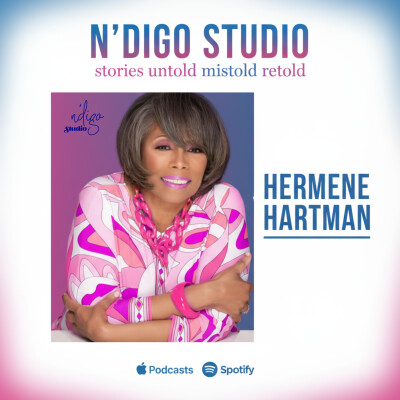
Chapters

  • Introduction to Congressman Danny Davis

    00:22

  • Danny's Journey from Arkansas to Chicago

    02:04

  • From Education to Community Organizing

    04:21

  • Current State of America and Democracy

    08:52

  • Advice for the Next Generation of Politicians

    18:44

  • Criminal Justice Reform and Reentry Programs

    21:56

  • Danny Davis's Legacy and Impact

    26:21

Share

Embed

You may also like